

This post is also available in:
 עברית (Hebrew)
Short-range aerial threats have become one of the most persistent challenges in modern conflict. Rockets, mortars, and small drones are relatively inexpensive, easy to deploy, and difficult to intercept, especially when launched in large numbers toward populated areas. Traditional air defense systems, often designed for larger or longer-range targets, are not always optimized to deal with these fast, low-flying threats in dense urban environments.
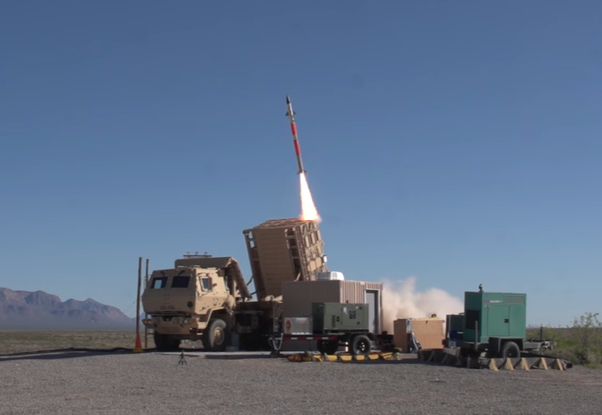
To address this gap, a dedicated short-range interceptor (named Tamir) was developed in Israel as part of a broader air defense network. The missile serves as the intercepting component of a mobile system (the Iron Dome) designed to detect, track, and neutralize incoming projectiles before they reach their targets. Rather than engaging every incoming object, the system prioritizes threats based on trajectory, focusing only on those expected to hit populated or sensitive areas. This selective approach helps conserve interceptors while maintaining protection where it matters most.
According to the Defense Post, once a threat is identified, the interceptor is launched vertically and guided toward its target using continuous radar updates and onboard control systems. Its design emphasizes agility, allowing it to adjust course mid-flight to intercept small, fast-moving objects. Instead of requiring a direct hit, the missile uses a proximity-fused warhead that detonates near the target, increasing the likelihood of a successful interception.
Beyond its core function, the system is built to operate as part of a layered defense architecture. It works alongside other systems designed for longer-range threats, creating a coordinated shield that can address multiple types of incoming projectiles simultaneously. The interceptor itself is compact and highly maneuverable, making it suitable for engaging rockets, artillery shells, and certain types of drones that might evade larger systems.
The interceptor reflects a shift toward precision and efficiency in air defense. Its ability to operate in all weather conditions, respond quickly, and integrate into a networked system makes it particularly suited for protecting urban areas and critical infrastructure. At the same time, limitations such as range and reliance on radar tracking highlight the need for complementary systems within a broader defensive framework.
As short-range threats continue to evolve, systems based on this approach are likely to play a central role in future air and missile defense strategies.























