

This post is also available in:
 עברית (Hebrew)
Designing materials that can actively change shape or function on demand remains a major challenge. Most artificial actuators rely on motors, wiring, or external systems to generate movement, which adds weight, complexity, and limits how small or flexible they can be. Bridging the gap between microscopic motion and real-world mechanical performance has been particularly difficult.
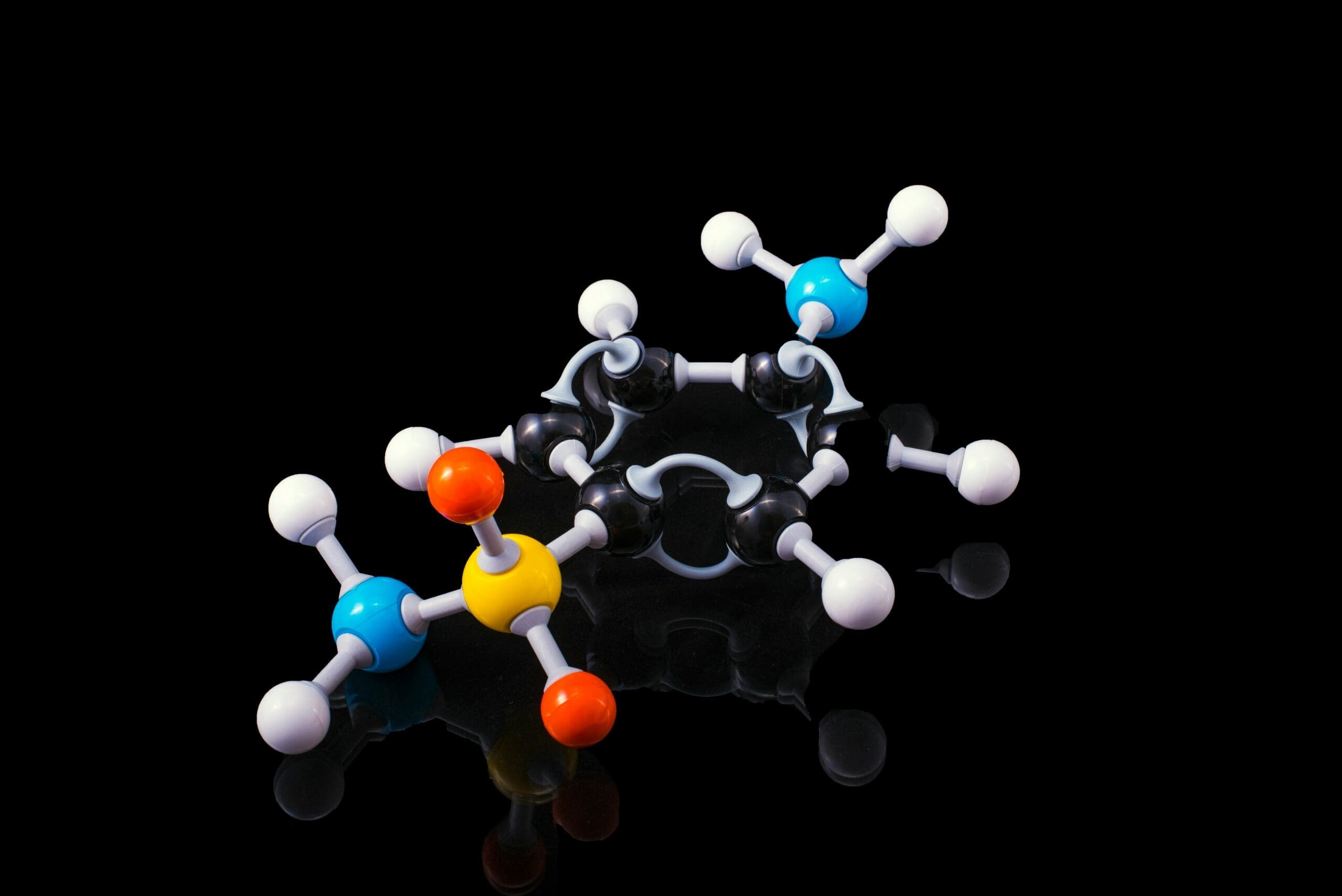
A new approach focuses on building materials from the bottom up, starting at the molecular level. Instead of adding mechanical components, researchers are linking together tiny molecular machines into larger structures that can generate movement collectively. These molecules, each made of only a few dozen atoms, act like miniature gears or motors. When organized into polymers, they can produce coordinated motion similar to how muscle fibers contract.
According to Interesting Engineering, the key innovation is control through light. Certain molecular components change their shape when exposed to specific wavelengths. By embedding these into a material, researchers can trigger movement remotely, without wires or direct contact. Different light inputs can produce different responses, for example, making the material stiff under one wavelength and flexible under another.
Scaling this behavior into three-dimensional structures is a central part of the work. By arranging the molecular building blocks in specific patterns, the material’s response can be programmed in advance. When activated, large numbers of these molecules move together, creating visible mechanical effects such as bending, contraction, or expansion.
Beyond actuation, the material also exhibits optical changes. As the molecules shift, they can alter color, opening possibilities for dynamic displays or surfaces that respond visually to external stimuli. This dual functionality highlights how mechanical and visual properties can be combined within a single system.
From a defense and security perspective, materials that can change properties without external hardware may have applications in adaptive structures, soft robotics, or systems operating in constrained environments. The ability to control behavior remotely using light could also reduce system complexity and improve reliability in sensitive conditions.
As research continues, the focus is on refining how these molecular systems are assembled and controlled. If successful, this approach could lead to a new class of materials that integrate sensing, actuation, and responsiveness into a single, lightweight structure.























