This post is also available in:
 עברית (Hebrew)
Accessing visual information through AI typically requires smartphones, cameras, or wearable devices like smart glasses. However, these solutions often come with trade-offs: high power consumption, privacy concerns, and limited adoption due to form factor. Continuous video capture, in particular, raises both technical and social challenges, from battery drain to concerns about constant recording.
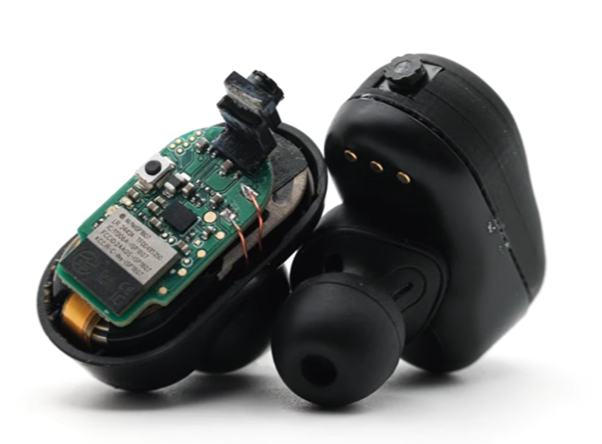
A new approach, called Vuebuds, integrates visual sensing directly into a more familiar device – wireless earbuds. Instead of relying on high-resolution video, the system uses tiny, low-power cameras embedded in each earbud to capture simple black-and-white images. These images are transmitted to a nearby device, where an onboard AI model processes them and provides spoken responses within about a second.
According to TechXplore, the design focuses on efficiency and privacy. By capturing still images rather than continuous video, the system reduces power usage and keeps data transmission within Bluetooth limits. Processing is performed locally on the connected device, avoiding cloud-based analysis. A visible indicator shows when images are being captured, and users can delete data immediately after use.
The system was designed with built-in privacy safeguards, including on-device processing to prevent data from being sent to the cloud. It also uses a visible recording indicator and allows users to immediately delete captured images, giving them direct control over when and how visual data is used.
Despite the minimal hardware, the system is capable of handling practical tasks such as translating text, identifying objects, or answering simple visual questions. The cameras are angled slightly outward to provide a wide field of view, allowing the system to capture relevant scenes without being obstructed by the user’s face. To improve speed, images from both earbuds are combined into a single frame before analysis.
In testing, the system demonstrated performance comparable to more complex wearable devices in certain tasks, particularly text recognition. While limited by its grayscale imaging, it achieved high accuracy in identifying objects and reading text.
From a defense and security perspective, such technology could support hands-free situational awareness in the field. Lightweight, low-profile devices that provide real-time visual interpretation may assist in tasks such as navigation, identification, or rapid information access without requiring dedicated equipment.
As wearable AI continues to evolve, integrating sensing capabilities into everyday devices may offer a more practical path forward, balancing usability, efficiency, and privacy while expanding access to real-time visual intelligence.
The research was published here.