This post is also available in:
 עברית (Hebrew)
Seeing clearly in low visibility remains one of the hardest problems for modern forces. Smoke, fog, darkness, and cluttered terrain all degrade traditional optics, while the pace of operations leaves little time for manual image interpretation. As sensors improve, the challenge has shifted from simply detecting heat to processing and presenting that information fast enough to support real decisions in the field.
A new generation of thermal optics aims to address that gap by combining higher-resolution sensors with onboard artificial intelligence. The latest sixth-generation thermal imaging lineup (of the American Technologies Network – ATN) introduces systems designed not just to show heat signatures, but to actively enhance, sharpen, and track them in real time. Instead of raw thermal imagery, operators are presented with clearer, more actionable views under demanding conditions.
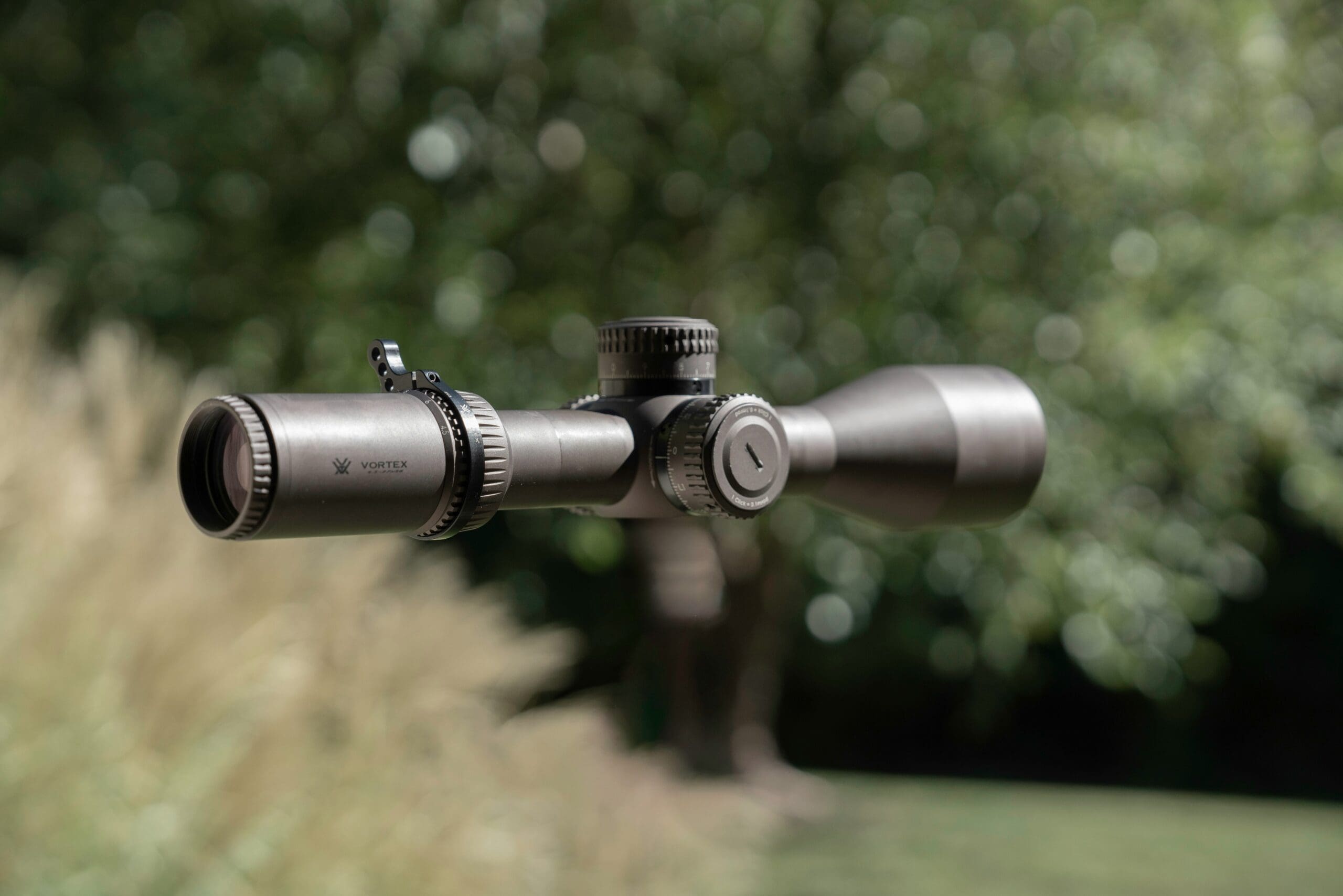
According to NextGenDefense, at the center of the lineup are thermal riflescopes built for both precision and adaptability. These systems pair advanced thermal sensors with high-definition displays, integrated rangefinding, and onboard video recording. A more compact variant reduces weight and bulk while retaining AI-driven image sharpening and smart target tracking, allowing faster detection without sacrificing mobility. The idea is to shorten the time between spotting a thermal signature and understanding what it represents.
Beyond riflescopes, the lineup expands into multi-sensor observation tools. Dual-mode binoculars merge thermal, daytime, and night vision into a single device, enabling seamless transitions between lighting conditions. Built-in range measurement and recording functions allow users to observe, identify, and document activity without switching equipment. A clip-on thermal unit adds further flexibility, attaching to existing daytime optics or operating independently as a handheld monocular.
Underlying all of these devices is a common processing architecture. Advanced thermal sensors are offered in multiple resolution levels, with higher-end variants capable of detecting finer temperature differences. This raw data is then processed by AI-based image enhancement (SharpIR), which reduces noise and increases contrast dynamically. The result is improved clarity in environments where older systems often struggled, such as through foliage, smoke, or partial cover.
From a defense and homeland security perspective, these capabilities are directly relevant; border surveillance, force protection, urban operations, and night maneuvers all depend on reliable thermal awareness. AI-assisted optics can reduce operator fatigue, improve target discrimination, and support faster decision-making in complex environments. Integrated recording also supports after-action review and intelligence collection without adding extra sensors.
While thermal optics have long been part of military and security toolkits, the shift toward AI-enhanced processing marks a meaningful change. Instead of asking operators to interpret ambiguous images, the technology now works alongside them, refining what they see in real time. As visibility challenges remain constant but operational tempo increases, smarter thermal imaging may prove as important as higher resolution alone.