This post is also available in:
 עברית (Hebrew)
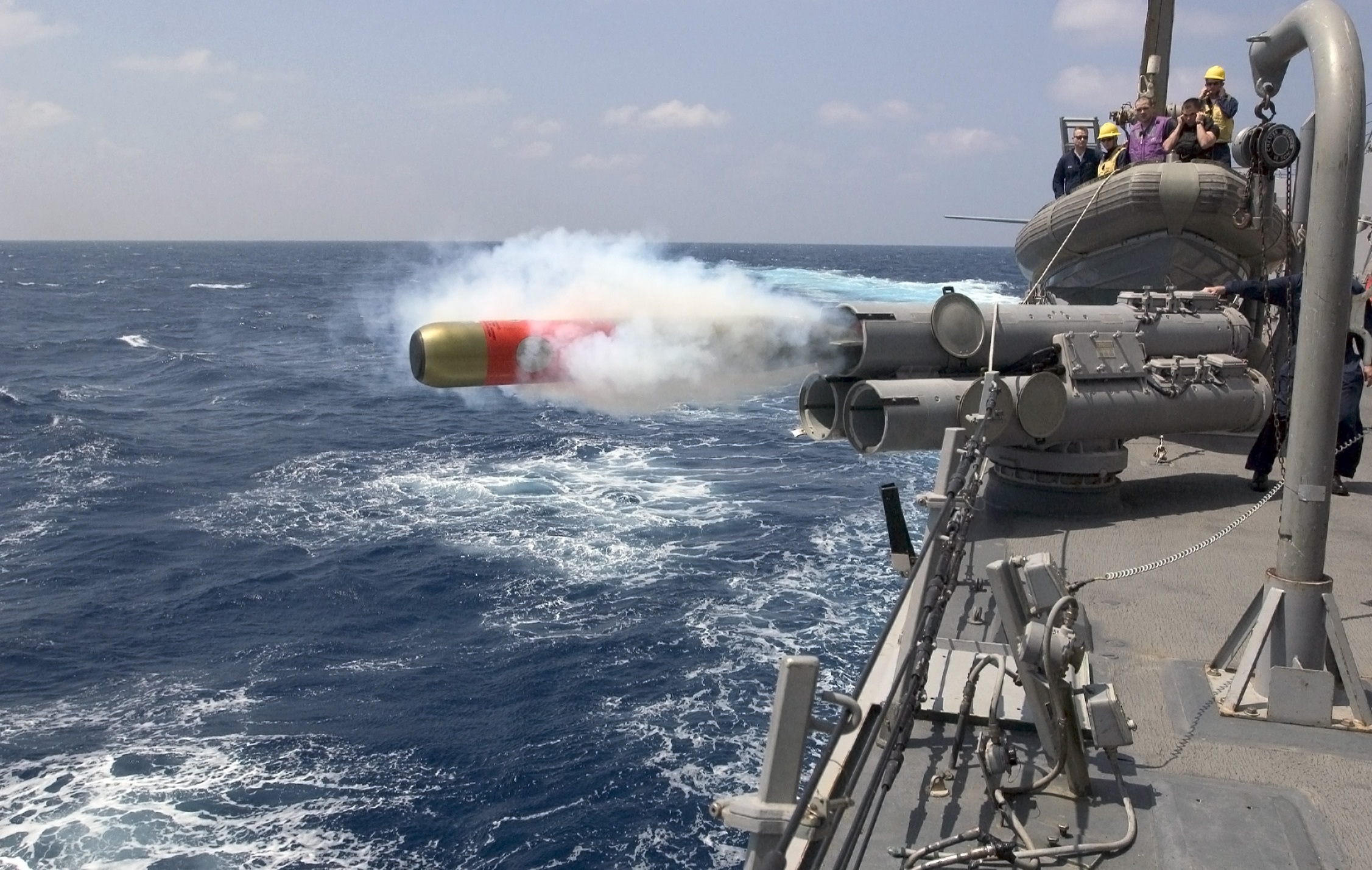
Hunting submarines from the air presents an awkward problem. An aircraft may detect or receive the suspected position of an underwater target, but a conventional air-dropped torpedo must be released relatively close to that location. In contested waters, closing that distance can expose the launching aircraft to ship-based air defenses and other threats.
The Indian Navy is reportedly exploring a long-range air-launched torpedo concept intended to separate the aircraft from the underwater engagement. According to the Indian Defence Research Wing, the proposed weapon would combine a conventional torpedo with a powered range-extension kit capable of carrying it through the air before releasing it into the sea.
The concept is intended for launch from both crewed combat aircraft and autonomous aerial platforms.
After separation from the aircraft, a turbojet-powered kit would reportedly transport the torpedo between 150 and 250 kilometers toward the designated target area. Once it reaches the required location, the carrier section would separate, and the torpedo would enter the water.
According to NextGenDefense, from that point, the underwater weapon would begin the conventional part of the engagement, using its own systems to search for and attack the submarine. The torpedo is also expected to maintain a low acoustic signature, reducing the warning available to an underwater target.
The main advantage is standoff distance. Instead of forcing an anti-submarine aircraft to fly nearly above a suspected submarine before releasing its weapon, the flying carrier could cover much of that distance. This could allow aircraft to remain farther from hostile naval formations and associated air defenses.
The concept reportedly draws on experience from SMART, or Supersonic Missile Assisted Release of Torpedo, another Indian approach to extending the reach of lightweight anti-submarine torpedoes. It uses a missile to transport a torpedo over long distances before delivering it into the water. The new concept would instead use an air-launched range-extension system.
Such weapons reflect a broader challenge in anti-submarine warfare. Torpedoes move much more slowly underwater than missiles or aircraft travel through the air, while submarines can change position after being detected. Carrying the torpedo closer to its predicted location before water entry can reduce the distance it must subsequently cover underwater.
The proposed weapon remains at an early stage, and no formal development or deployment schedule has been announced. Reports indicate that an operational system could be at least a decade away.
If pursued successfully, the technology could give maritime forces another way to combine aerial speed with underwater lethality: transport the torpedo rapidly across the sky, then let it perform the final hunt beneath the surface.