This post is also available in:
 עברית (Hebrew)
As more military and civilian infrastructure depends on satellites, space is becoming an increasingly important operational domain. Communications, navigation, intelligence gathering, missile warning, and precision targeting all rely on orbital assets, making them attractive targets during future conflicts. This has prompted growing interest in technologies capable of protecting space-based infrastructure or engaging threats beyond Earth’s atmosphere.
A new Israeli initiative is exploring one of the most ambitious concepts yet: a laser weapon designed to operate from orbit.
According to NextGenDefense, although few technical details have been released, the concept envisions a space-based directed-energy system capable of engaging threats from space. Potential applications for such a platform could include intercepting missiles during portions of their flight, targeting hostile satellites, or removing hazardous orbital debris that threatens other spacecraft.
Unlike conventional interceptors, laser weapons deliver concentrated energy rather than physical projectiles. When focused on a target for a sufficient period, the beam can damage sensors, overheat critical components, or degrade structural elements without requiring onboard ammunition. In theory, this allows repeated engagements as long as sufficient electrical power is available.
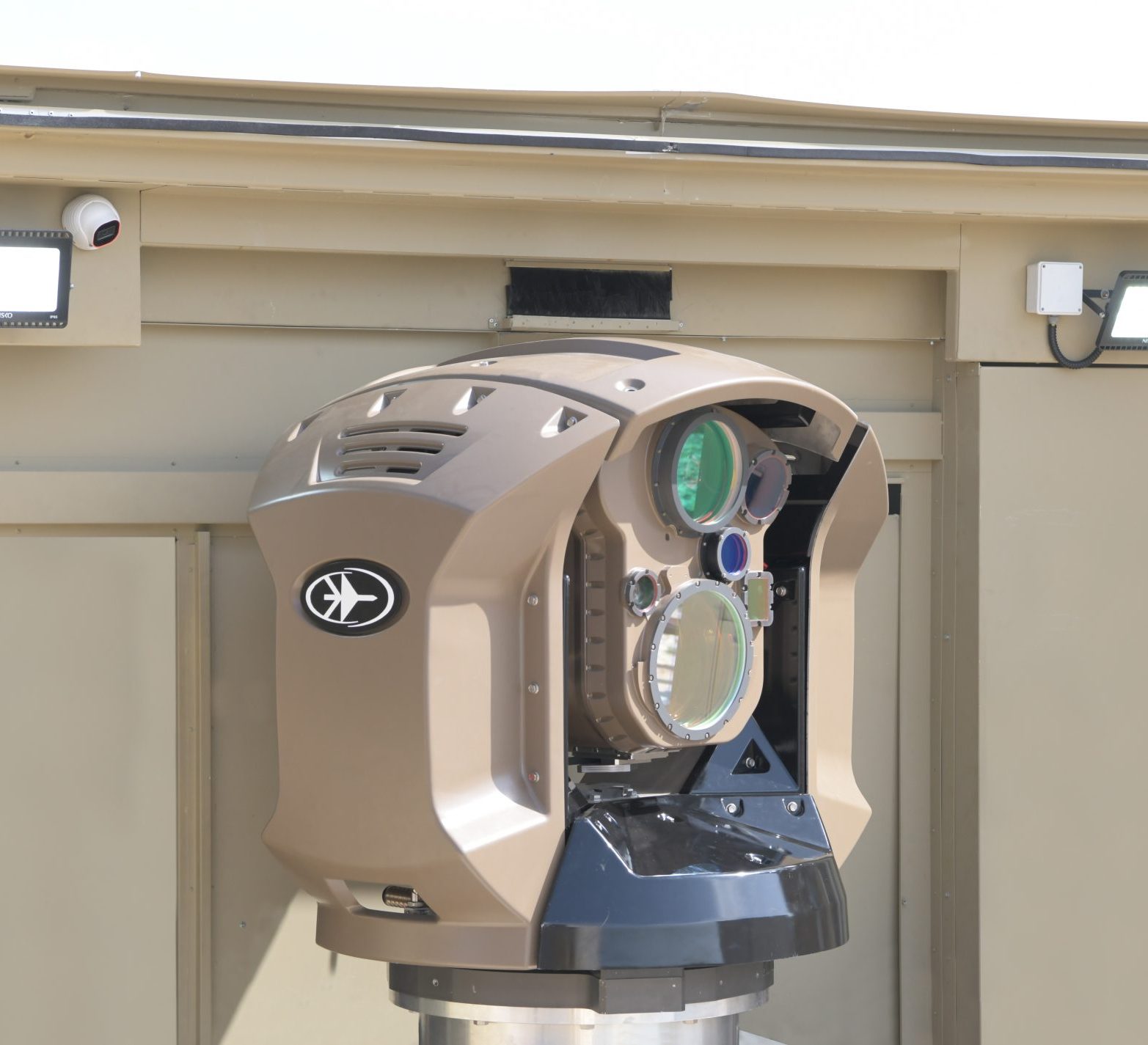
The proposal appears to build on experience gained through ground-based directed-energy programs. Existing laser air-defense systems use precision tracking sensors, beam-control optics, and adaptive targeting software to maintain the laser on rapidly moving targets. Adapting similar technologies for orbital use would introduce additional engineering challenges, including power generation, thermal management, beam stability, and operation in the space environment.
From a defense perspective, space-based laser systems could eventually complement existing missile-defense architectures rather than replace them. Because satellites have broad fields of view, orbital platforms may provide earlier opportunities to detect or engage threats while extending coverage over large geographic areas. At the same time, operating high-energy lasers in space would require overcoming significant technical hurdles before such systems become operational.
Interest in directed-energy technologies is expanding well beyond terrestrial applications. Ground-based systems are already being developed for counter-drone missions, while research is underway into airborne laser platforms capable of defending aircraft or engaging aerial threats.
The latest proposal reflects the broader evolution of military space capabilities. As satellites become increasingly central to defense operations, future competition in orbit is expected to involve not only sensors and communications systems but also advanced technologies designed to protect, or potentially challenge, the growing number of strategic assets operating in space.