This post is also available in:
 עברית (Hebrew)
One of the biggest challenges facing autonomous vehicles and robotic vision systems is adapting to rapidly changing lighting conditions. Cameras that perform well during the day can struggle when confronted with bright headlights, dark shadows, tunnels, or other high-contrast environments. In some cases, these sudden shifts can overwhelm sensors and reduce the system’s ability to recognize critical objects.
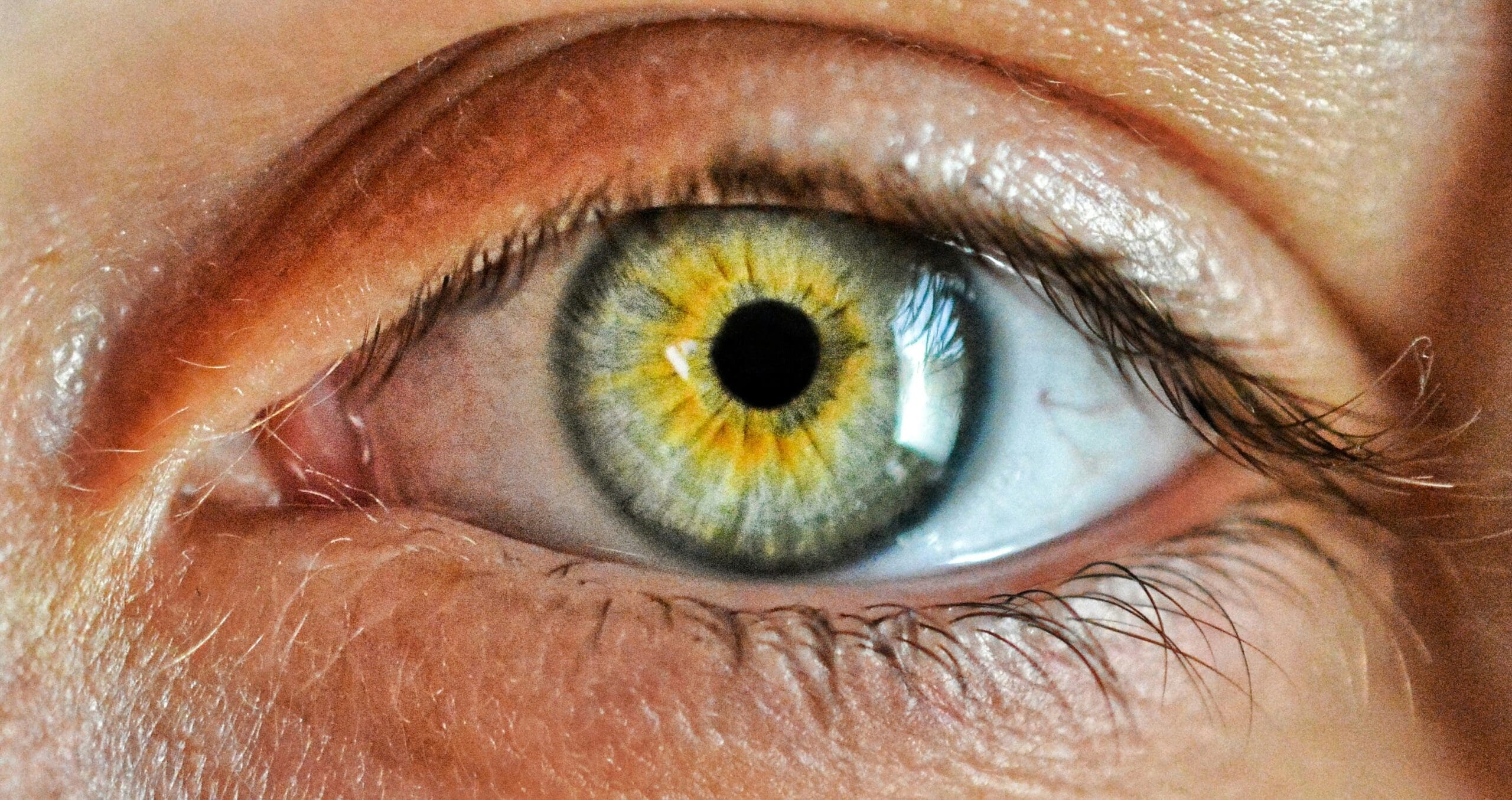
Researchers have developed a new vision component designed to address that problem by mimicking the way the human eye adapts to changing light. The device, known as a photomemristor, combines light sensing and information processing into a single hardware element, allowing it to react to lighting changes much more efficiently than conventional camera systems.
According to Interesting Engineering, traditional machine-vision systems typically separate image capture from data processing. Cameras collect visual information and then send it to external processors for analysis. This approach consumes computing resources and can introduce delays when lighting conditions change rapidly.
The new photomemristor works differently. It simultaneously detects light and stores information, functioning more like a biological neural system. The design combines titanium oxide, which converts incoming light into electrical signals, with a conductive polymer called PEDOT:PSS.
The most distinctive feature is how the material physically responds to light. In darker conditions, the polymer absorbs moisture from the surrounding air and expands. Under bright illumination, it dries and contracts. This continuous physical adjustment automatically changes the device’s sensitivity, acting much like the eye’s natural transition between rod and cone cells.
Researchers tested the concept using a small 4×4 sensor array connected to an artificial neural network. The system was tasked with identifying a dimly lit letter against a highly illuminated background, a scenario designed to mimic difficult visual conditions. After only seven training cycles, the system achieved approximately 95 percent pattern-recognition accuracy.
From a defense and security perspective, adaptive optical systems could improve the performance of autonomous vehicles, surveillance platforms, drones, and robotic systems operating in unpredictable lighting environments. Reliable vision under challenging conditions is often critical for navigation, target recognition, and situational awareness.
The technology may also find applications beyond robotics, including industrial automation and future visual-assistance systems. By integrating sensing, memory, and adaptation directly into the hardware, the approach points toward a new generation of machine vision systems capable of responding to the environment more like biological eyes.