Controlling insect-based robots has long been an area of interest for researchers looking to combine the mobility and efficiency of living organisms with the precision of modern electronics. Traditional cyborg insect systems generally follow a simple model: external devices send commands, and the insect responds. But living organisms do not always react predictably. Stress, environmental conditions, and biological state can all influence behavior, making reliable control difficult.
Researchers have now developed a bio-hybrid control platform that takes a different approach. Instead of continuously directing the insect, the system first evaluates the animal’s physiological condition and only intervenes when conditions are favorable for guidance.
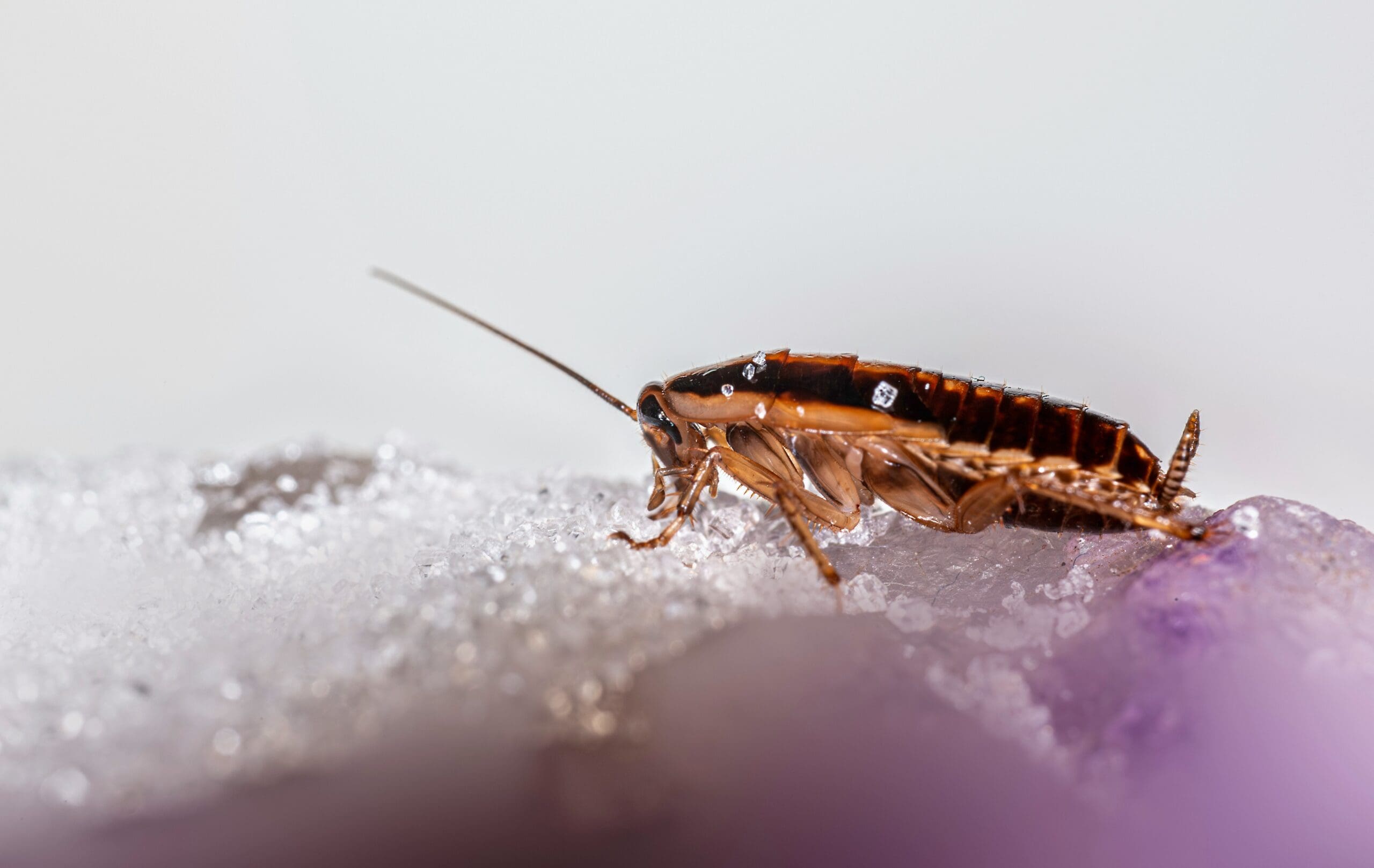
The platform, called the Insect Synergy Circuit (ISC), was tested using Madagascar hissing cockroaches equipped with lightweight wearable backpacks. These packs collect biological and behavioral data, including heartbeat signals, neural activity, and body movement. According to Interesting Engineering, the insects are then guided using ultraviolet light and vibration cues rather than direct mechanical control.
At the center of the system is a machine-learning model trained to recognize different environmental and physiological conditions. Researchers exposed the insects to five scenarios: normal activity, ultraviolet light, chemical stimuli, heat, and food. By analyzing biological signals and movement patterns, the AI classified the insect’s state with an accuracy of approximately 93 percent.
The key innovation is that the system does not always issue commands. If the insect appears stressed or exhibits avoidance behavior, guidance signals are automatically suspended. If the animal is in a receptive state, gentle stimulation is used to influence movement. This creates a two-way interaction model where the machine adapts to the insect rather than simply overriding its behavior.
In testing, researchers used a multi-chamber maze containing food and environmental obstacles. Untreated insects generally remained near food sources, while cockroaches equipped with the ISC system continued navigating through the entire maze. The results suggest that movement can be guided effectively while still respecting the insect’s natural behavioral responses.
From a defense and security perspective, bio-hybrid systems could eventually support reconnaissance, environmental monitoring, or search operations in confined spaces where small biological platforms offer mobility advantages over conventional robots.
The research also highlights a broader trend in robotics: building systems that cooperate with living organisms by interpreting biological signals instead of relying solely on external control.