This post is also available in:
 עברית (Hebrew)
Small unmanned aerial systems have become an increasingly common challenge for naval forces. Surveillance drones can track ship movements, collect targeting information, and operate at relatively low cost, making them difficult to counter efficiently with traditional missile-based defenses. Using expensive interceptors against small drones also creates sustainability concerns during prolonged operations.
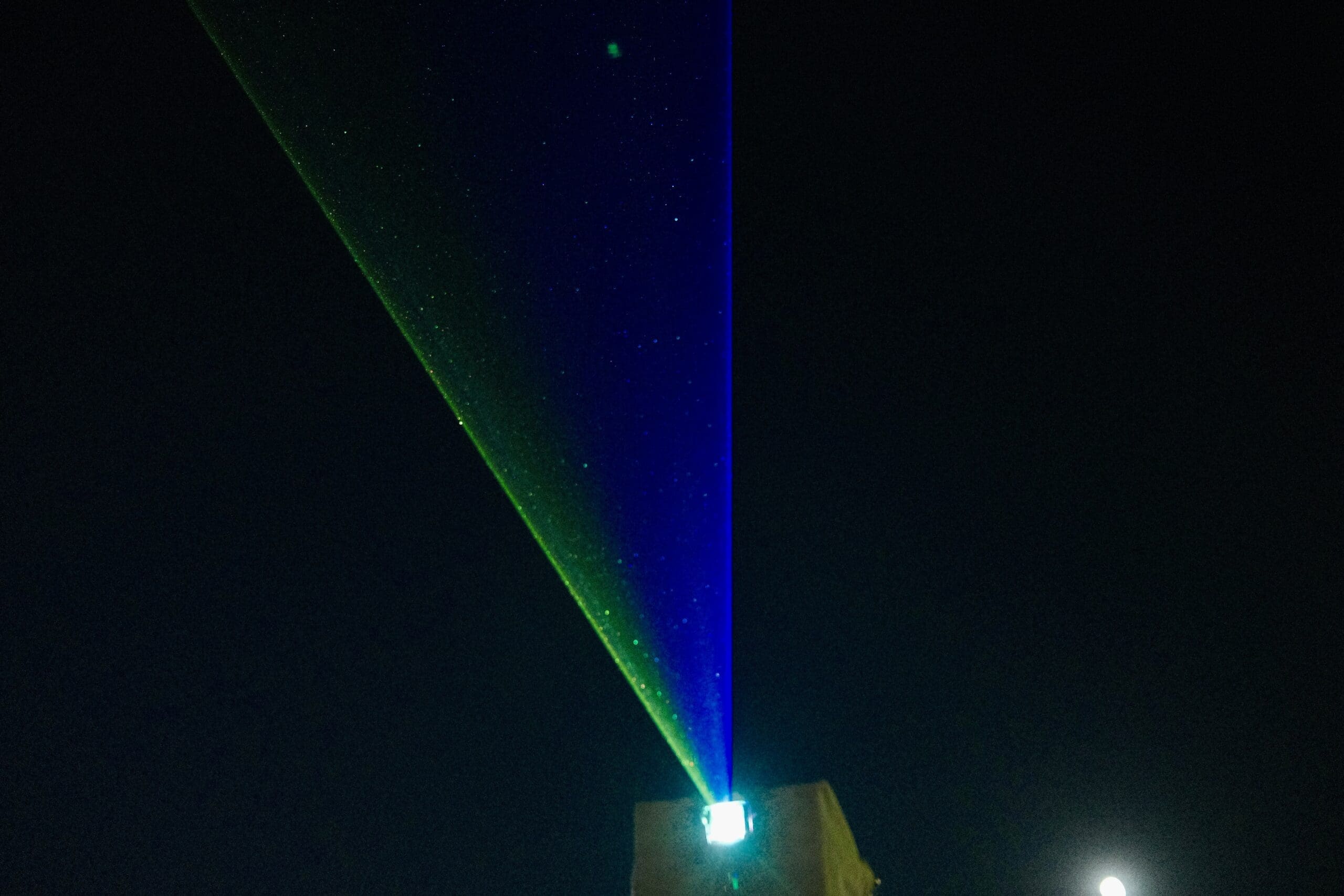
To address this problem, naval forces are increasingly turning to directed-energy systems designed to neutralize threats without physically destroying them. A new training initiative of ODIN (Optical Dazzling Interdictor, Navy) is now preparing sailors to operate and maintain one of the fleet’s primary laser-based counter-drone systems.
The system uses a focused laser beam to interfere with optical equipment carried by drones, including cameras, infrared sensors, and targeting systems. Instead of relying on explosive interceptors, the laser temporarily blinds or disrupts the drone’s sensors, preventing it from gathering intelligence or accurately tracking targets. In some cases, the system can also permanently damage onboard optics.
According to Interesting Engineering, because the technology is designed as a “soft-kill” capability, it offers several operational advantages. Laser engagement can occur almost instantly and does not rely on finite missile inventories. As long as sufficient electrical power is available onboard, the system can continue operating against multiple aerial threats with relatively low cost per engagement.
Beyond counter-drone functions, the platform also incorporates intelligence, surveillance, and reconnaissance capabilities. Integrated cameras and telescopic systems allow operators to observe distant targets in high detail, supporting both situational awareness and threat identification.
The new training program includes hands-on instruction for sailors responsible for operating and sustaining the system at sea. Courses are conducted in a dedicated directed-energy training environment equipped with operational systems and access to live testing ranges, allowing crews to practice real laser emissions under controlled conditions.
From a defense perspective, directed-energy weapons are becoming increasingly important as militaries search for scalable responses to large numbers of low-cost drones. Systems designed to disable sensors rather than destroy entire platforms may help preserve more expensive interceptors for higher-priority threats while expanding defensive coverage.
The broader effort also reflects the growing transition of laser weapons from experimental technologies into operational fleet systems requiring standardized training and long-term sustainment.