This post is also available in:
 עברית (Hebrew)
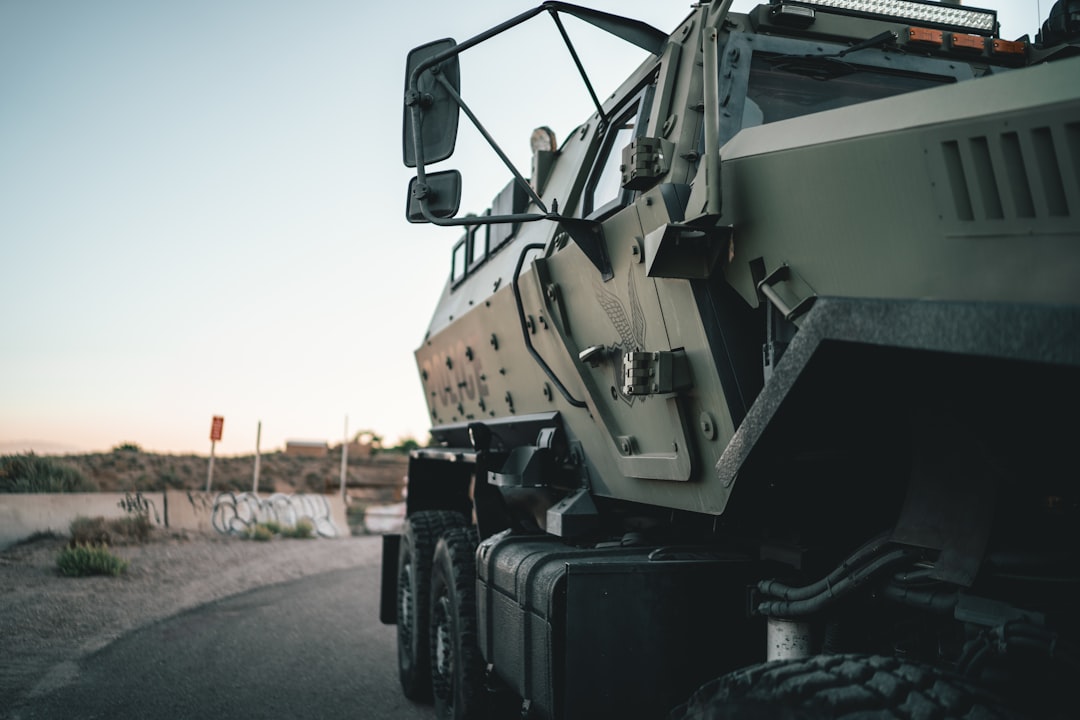
Modern militaries increasingly require ground combat systems that are not only powerful but also highly networked and adaptable for future battlefields. Addressing this need, the Singapore Army is set to receive a new infantry fighting vehicle, the Titan 8×8, developed by ST Engineering. This acquisition is based on the company’s 35-ton Terrex s5 platform.
According to C4ISRnet, the new vehicle represents a significant leap in combat capability. A key enhancement for the vehicle is its increased firepower, which incorporates a 30mm cannon mounted on a remote-controlled weapon station. While a prototype was displayed with a specific turret and cannon, a company representative noted that this does not necessarily reflect the final configuration for the army’s new platform. The system is engineered with a digital backbone, featuring advanced vehicle electronics and a command-and-control architecture designed to support networked motorized operations.
Beyond its core mobility and firepower, the architecture is designed to function as a manned-unmanned operations hub. The vehicle can deploy and control organic reconnaissance assets, including rear-mounted launchers carrying multiple small drones, providing over-the-horizon situational awareness without exposing dismounted troops. It is also capable of remotely operating unmanned ground vehicles from within the crew compartment, enabling coordinated operations between crewed and uncrewed platforms. Internally, the vehicle can be equipped with an AI-assisted cockpit concept that fuses sensor data into a 360-degree panoramic display, automatically detecting and classifying threats such as personnel, vehicles, and aerial systems. Dual operator stations allow seamless switching between driving, weapon operation, and control of unmanned systems, while voice-activated AI tools assist with vehicle management tasks. Combined with its ability to carry a full infantry squad and substantial payload, these features position the platform as a digitally integrated combat system rather than a conventional armored vehicle.
The platform’s prototype was showcased with a hybrid electric drive. A director at the company explained that a primary benefit of this propulsion system is the significant onboard power it generates, which is crucial for supporting the vehicle’s advanced sensors and associated electronic systems. This configuration also occupies less internal space than a conventional diesel power pack. However, it is unclear whether the hybrid electric variant was selected, as a conventional engine is also an option.
This advanced vehicle is poised to provide outstanding mobility and adaptability for the nation’s future fighting force. Deliveries of the new combat system are scheduled to begin in 2028.