This post is also available in:
 עברית (Hebrew)
Voice-controlled assistants have become a constant presence in homes, phones, and offices, quietly waiting for a wake word before responding. That convenience, however, depends on always-on microphones—an arrangement that has raised long-standing concerns about accidental recording and loss of user control. A recent legal settlement has brought those concerns back into focus.
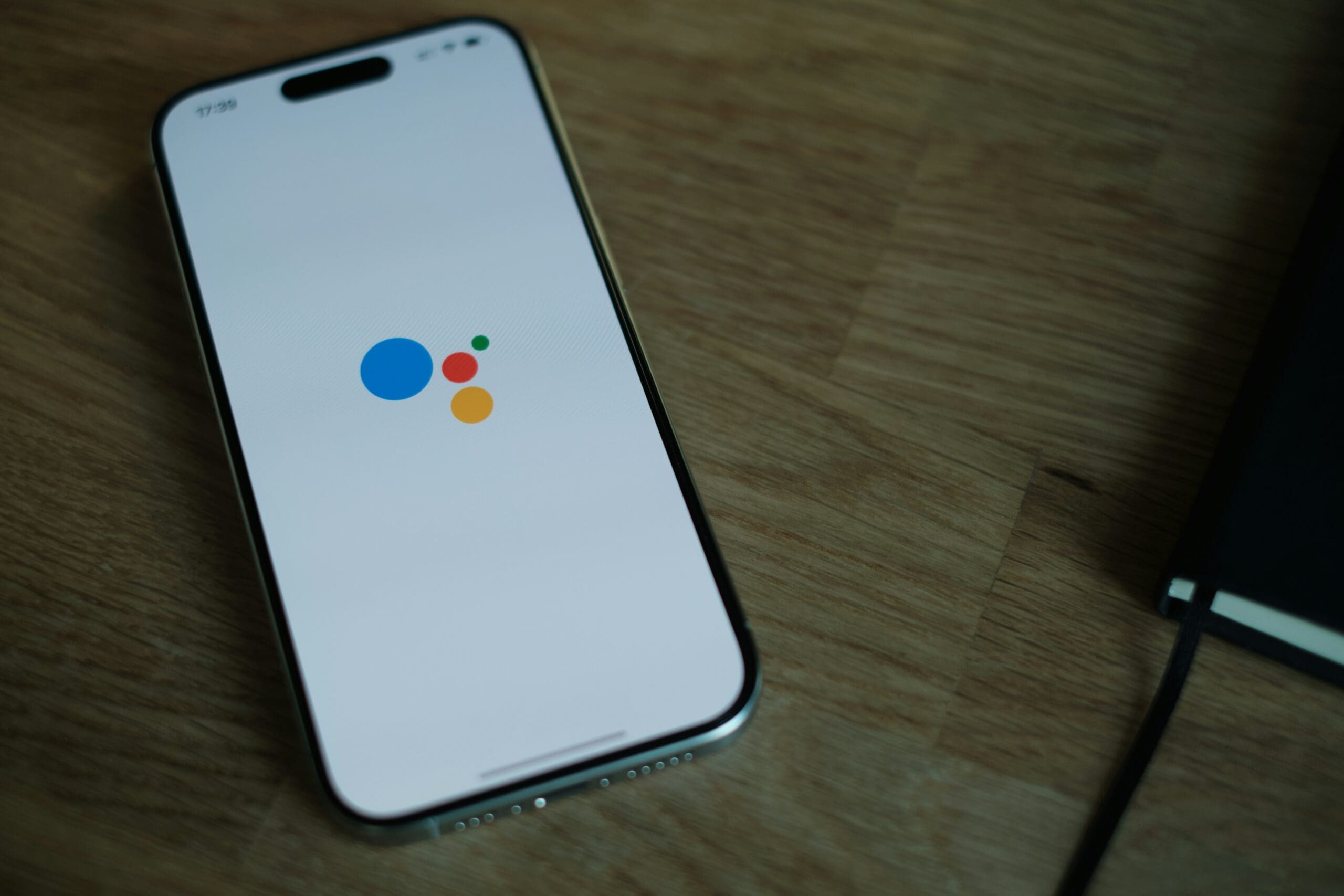
According to CyberNews, a $68 million class-action settlement resolves claims that Google Assistant recorded private conversations without users’ consent over several years. The issue centered on so-called “false activations”, where the assistant was triggered unintentionally by words or sounds that resembled its wake phrase. Once activated, short audio clips were captured even though users had not intended to interact with the device.
According to the lawsuit, some of those recordings were later used to support targeted advertising, while others were shared with third-party contractors tasked with reviewing and improving speech recognition accuracy. Plaintiffs argued that this combination of unintended recording and external access violated expectations of privacy, especially inside homes and other personal spaces.
Under the proposed settlement, users who purchased certain smart speakers, displays, or smartphones after mid-2016 may be eligible for compensation, depending on how many claims are filed. Individual payments are expected to fall in the range of a few dozen dollars per device. The agreement still requires final court approval, with a hearing scheduled for March 2026. The company involved has denied wrongdoing but chose to settle after years of litigation.
Beyond consumer privacy, the case has broader implications for defense and homeland security. Voice-controlled devices are increasingly present in workplaces, vehicles, and even sensitive facilities. Accidental audio capture, data retention, or third-party review can create unintended intelligence exposure, especially when devices are used by government employees, first responders, or defense contractors. As a result, many secure environments already restrict or ban smart assistants entirely.
The settlement also reflects a wider reckoning with always-listening technologies. Similar allegations against other voice platforms have led to changes in how recordings are stored, reviewed, and disclosed. For developers, the challenge is balancing usability with clear, enforceable boundaries around data collection. For users and organizations, the case is a reminder that convenience-driven technology can introduce quiet risks if safeguards are not fully understood.
As voice interfaces continue to expand into everyday tools, scrutiny over how and when they listen is likely to intensify—particularly where privacy, security, and trust intersect.