This post is also available in:
 עברית (Hebrew)
For modern land forces, armored vehicles are meant to provide mobility, protection, and situational awareness without placing crews at unnecessary risk. When a platform fails to meet those basic expectations, the consequences extend beyond budgets and schedules to operational readiness and troop welfare. This tension has come into sharp focus around a next-generation infantry fighting vehicle program that has absorbed billions yet continues to face fundamental challenges.
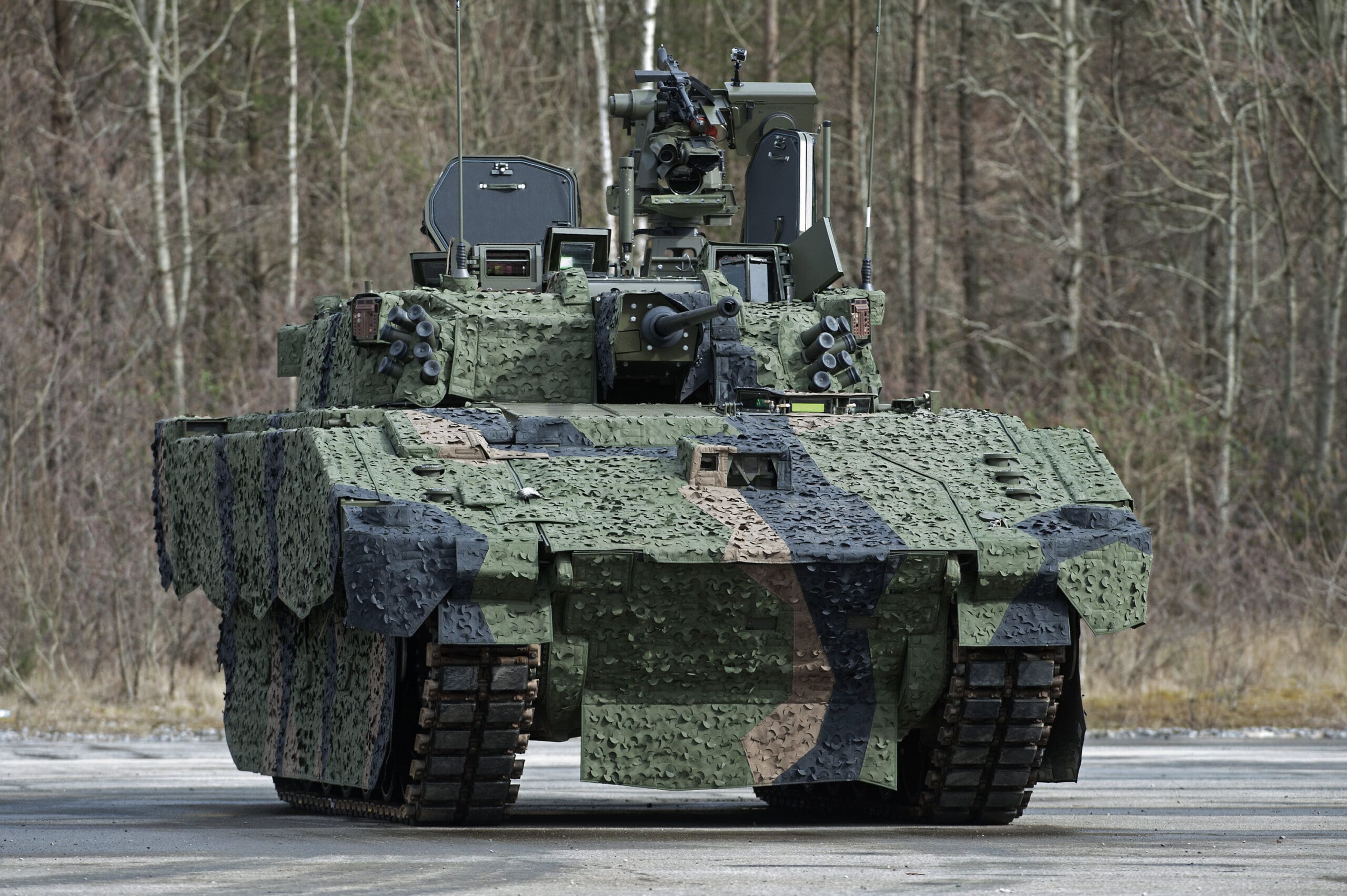
The Ajax family of armored vehicles was conceived to replace aging reconnaissance platforms and form a core element of future armored formations. In theory, it was meant to deliver advanced sensors, digital connectivity, and modular variants covering roles from reconnaissance to command and recovery. In practice, persistent technical problems have repeatedly disrupted its path to service.
According to Army Technology, the most serious issue has been excessive noise and vibration during operation. Despite earlier claims that the problem had been resolved, crews have continued to report injuries and health effects after prolonged use. These concerns culminated in a particularly damaging episode in late 2025, when the vehicle’s use was suspended just days after it was declared to have reached initial operating capability. The decision highlighted a gap between formal program milestones and the reality experienced by soldiers.
Efforts to stabilize the program have focused on incremental fixes rather than a full redesign. The vehicle remains part of long-term force planning, alongside other delayed or constrained land systems. As of the end of 2025, 170 of the vehicles had been delivered across multiple variants, including reconnaissance, command-and-control, engineering support, and recovery configurations. This scale of investment makes outright cancellation difficult, even as confidence in the platform remains fragile.
From a technology standpoint, it was intended to showcase a modern digital architecture, advanced sensors, and a high level of commonality across variants. These features are still seen as relevant, particularly as armies seek to integrate armored vehicles into networked battlefield systems. However, unresolved human factors have underscored how critical platform ergonomics is to combat effectiveness.
In a defense context, the situation illustrates a broader challenge in land warfare modernization. Armored vehicles are expected to operate longer, carry more electronics, and protect against a wider range of threats, all without growing heavier or more complex to maintain. When those demands collide with procurement timelines and industrial constraints, risk shifts to the end user.
As other European armies move into second or even third cycles of post–Cold War modernization, the prolonged struggle to field it has become a cautionary example. Whether the program can still deliver a reliable, soldier-ready platform remains an open question—one with direct implications for force readiness and credibility.