This post is also available in:
 עברית (Hebrew)
Modern combat aircraft generate enormous amounts of data, from engine health and avionics status to mission-system performance. As fleets age and platforms become more software-driven, maintaining readiness is no longer just a mechanical challenge. Traditional sustainment models struggle to keep pace with the speed, scale, and complexity of today’s operations, often leading to unexpected downtime, supply delays, or reduced mission availability.
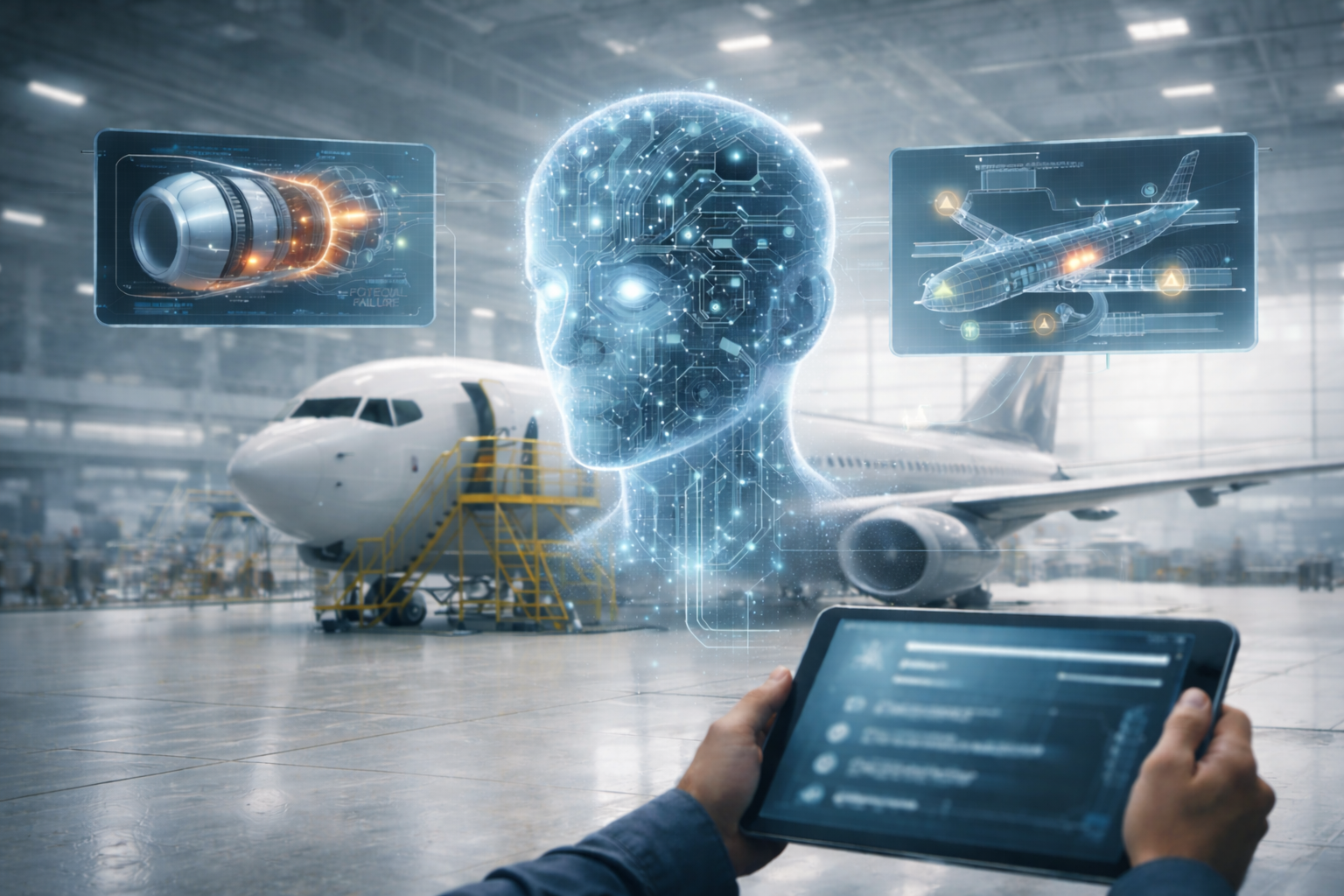
A new approach to aircraft sustainment is now being introduced that places artificial intelligence at the center of readiness planning. The initiative focuses on using AI-driven analytics to monitor aircraft performance in real-time, anticipate maintenance needs before failures occur, and optimize logistics support across both legacy and next-generation platforms. Rather than reacting to faults after they happen, the system is designed to predict issues early and recommend actions that keep aircraft available for tasking.
According to Interesting Engineering, at the core of the effort is the integration of advanced data analytics with secure digital infrastructure. AI models continuously process large volumes of aircraft and sustainment data, identifying patterns that human analysts would struggle to detect at speed. This enables predictive maintenance, smarter parts forecasting, and more efficient scheduling of repairs. The goal is to reduce unplanned maintenance while extending the operational lifespan of aircraft already in service.
For defense and homeland security operations, this shift has direct operational impact. Air forces increasingly operate across multiple domains—air, land, sea, space, and cyber—often under time pressure and with limited margins for error. Aircraft availability directly affects sortie rates, deterrence posture, and the ability to respond rapidly to emerging threats. AI-supported sustainment helps commanders maintain a clearer picture of fleet health and adjust operations dynamically as conditions change.
The sustainment concept also reflects the growing role of software-defined capabilities in combat aviation. As aircraft receive more frequent updates to mission systems and models, sustainment must adapt just as quickly. AI enables the redistribution of roles between systems in-flight or during operations, supporting cross-domain synchronization and networked missions where data flows continuously between platforms.
Security is a central consideration. Sustainment data and AI models are handled within secure environments designed to meet defense standards, ensuring that sensitive operational information remains protected while still accessible to authorized users.
Taken together, AI-driven sustainment represents a move away from static maintenance cycles toward a more adaptive, data-informed model. As combat aircraft fleets face increasing operational demands, these tools aim to ensure that readiness is limited less by maintenance uncertainty and more by mission requirements themselves.