

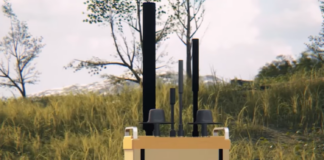
This AI-Powered System Can Track More Than 500 Drones at Once
The growing use of small drones around military installations has forced defense organizations to rethink how they protect sensitive facilities. Commercially available unmanned aircraft...
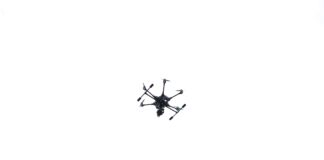
This AI-Powered Shield Watches the Sky for Drones 24/7
Protecting military bases from small drones has become increasingly difficult. Commercially available unmanned aircraft are becoming more capable, flying farther, carrying larger payloads and...

Meet the Robot Dog Built to Survive Arctic Ice and Freezing...
Collecting data in the Arctic is often as challenging as the research itself. Beneath seemingly solid snow can lie hidden pools of icy water,...
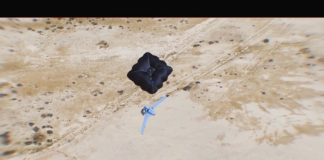
Aerodynamic Expertise Meets Defense Tech: The Technology Bringing Aircraft Safely Back...
Apco Aviation Defense is a graduate of the INNOFENSE Innovation Center operated by iHLS in collaboration with IMoD. This unique acceleration program removes entrance barriers to...

Autonomous Ground Vehicles Are Heading to the Front Lines
Keeping frontline units supplied has always been one of the most dangerous tasks in military operations. Vehicles carrying ammunition, equipment, and spare parts often...

A New Vision Sensor Mimics the Human Eye to Prevent Robotic...
One of the biggest challenges facing autonomous vehicles and robotic vision systems is adapting to rapidly changing lighting conditions. Cameras that perform well during...

This Intelligent Network Gives Border Forces a New Weapon Against Drones
As drones become increasingly common along national borders and around critical infrastructure, detecting them is only part of the challenge. Border security agencies also...
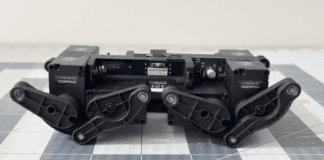
The Future of Robotics Might Be Smaller Than You Think
Legged robots have become increasingly capable in recent years, but most advanced quadruped systems remain expensive, complex, and difficult for students, hobbyists, and researchers...

INNOFENSE Innovation Center by iHLS – Bringing Together Startups, Industry Leaders,...
This week, another workshop was held as part of the INNOFENSE program, the innovation center operated by iHLS in collaboration with Israel’s Ministry of...

From Fish to Fleet: A New Approach to Underwater Robotics
Designing underwater robots that can move efficiently and adapt to changing currents remains a complex challenge. Traditional systems rely on external sensors and pre-programmed...

New Counter-Drone Technology Keeps Weapons Locked on Targets While Driving
Small drones have become one of the fastest-growing threats on the modern battlefield. Whether used for reconnaissance, target acquisition, or carrying explosive payloads, they...
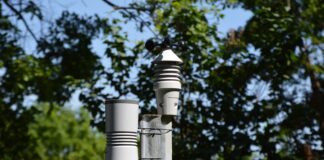
The Technology Giving Security Forces More Time to Spot Drones
Small drones have become one of the most challenging threats facing security forces in recent years. Their compact size, low-altitude flight profiles, and minimal...
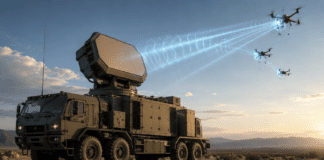
This Directed-Energy Weapon Stops Drones Without Ammo
Drone swarms are posing an increasing challenge to air-defense systems. Small, unmanned aircraft can be launched in large numbers, attack from multiple directions, and...

Meet the Worm-Inspired Robot Built for Places Wheels Can’t Reach
Traditional robots are typically built around rigid frames, motors, gears, and joints. While this design works well in structured environments, it becomes less effective...
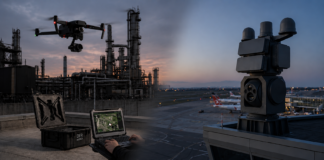
Shaping the Lower Airspace DefenseTech Market: Transitioning to Operational DFR Solutions,...
Written By Or Shalom
Over the past decade—and particularly in recent years—the lower airspace domain has evolved from a regulatory gray area into one of...

A Sea Drone Just Dropped an Armed Robot Into Battle
Amphibious assaults are among the most dangerous military operations. Landing forces on a hostile shoreline typically exposes troops to artillery, machine-gun fire, mines and...
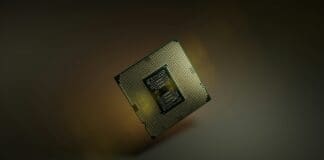
This Tiny Chip Lets Drones Build 3D Maps Without Draining Their...
Small autonomous drones have enormous potential for inspecting tunnels, warehouses, industrial facilities, and disaster zones. However, one limitation continues to hold them back: creating...

This Technology Helps Vehicles Hit Drones Even While Both Are Moving
Small drones have become one of the most difficult threats on the modern battlefield. Unlike larger aircraft, they are small, fast, and highly maneuverable,...

A Drone That Can Tilt, Twist, and Slip Through Tiny Openings...
Drones have become valuable tools for inspection, emergency response, industrial monitoring, and aerial reconnaissance. Yet even advanced platforms often struggle in confined environments filled...
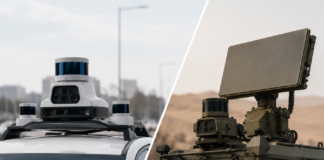
From Autonomous Vehicles to the Battlefield: Sensors in Search of a...
The autonomous vehicle industry has advanced more slowly than many sensor companies anticipated when they built their business strategies over the past decade. As...

$125 Million for Drones Built for First Responders
Police, fire, and emergency response agencies are expected to gain situational awareness within minutes—and often seconds—of receiving an emergency call. In many cases, however,...
The IDF Has Chosen Its Drone Swarm Command Platform
As the number of drones on the battlefield continues to grow, so does the challenge of operating them efficiently. While a single operator once...
Latest
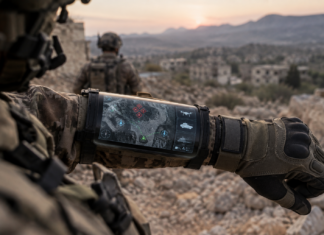
Soldiers Could Soon Wear Battlefield AI on Their Wrists
Modern soldiers can receive information from drones, sensors and other units, but getting that data to the person who needs it becomes difficult when...