This post is also available in:
 עברית (Hebrew)
Digital messaging platforms have become a common marketplace for everything from second-hand goods to freelance services. They are also increasingly being used by fraudsters offering forged documents, fake identities, and illegal travel services. The challenge for law enforcement is that these transactions often take place through private conversations, making the source of fraudulent documents difficult to trace.
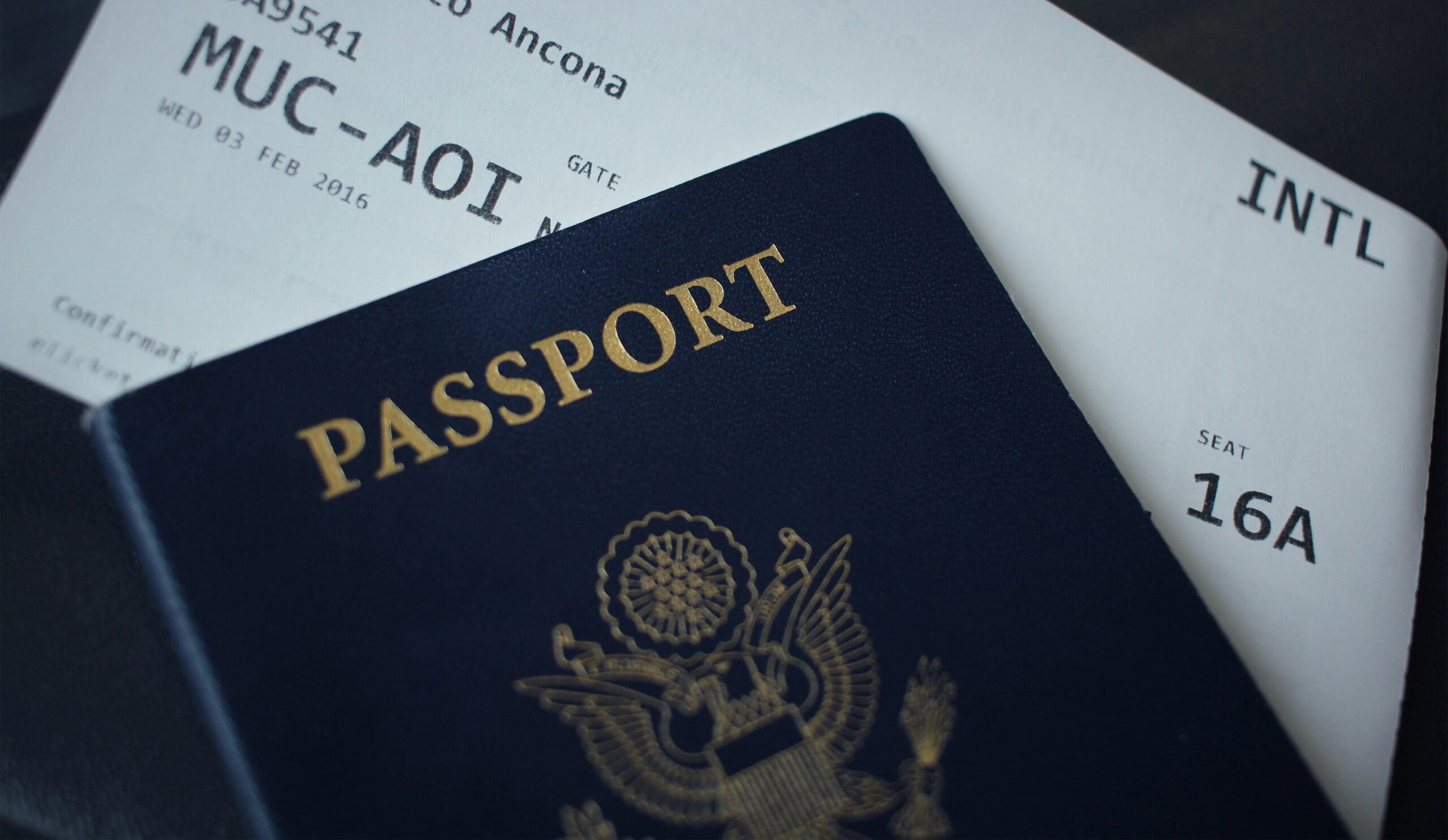
A recent case highlights how these underground services can operate. A traveller arriving at an international airport was stopped after presenting what authorities say was a counterfeit European passport and a corresponding travel authorisation linked to a false identity.
According to Cyber News, the individual arrived on a flight from London and presented a passport under a different name along with an Electronic System for Travel Authorisation (ESTA) approval number. During inspection, officials reportedly discovered that both the passport details and associated travel authorisation information were invalid. Further examination revealed that the document failed authentication checks.
The investigation took a more technical turn when authorities examined the traveller’s mobile phone. Investigators reportedly found evidence of his actual passport as well as communications indicating that the travel document had been obtained through online contacts. The passport was allegedly purchased for approximately €4,500 through conversations conducted on WhatsApp.
From a security perspective, modern passports contain multiple layers of protection designed to prevent exactly this type of fraud. These features can include machine-readable zones, biometric information, embedded security elements, and verification databases that allow border officials to cross-check document details against official records. Even when a counterfeit document appears convincing visually, inconsistencies in document numbers, travel authorisations, or database records can reveal fraud during inspection.
The incident also highlights the broader challenge facing border security agencies. As forged documents become easier to advertise and distribute through digital channels, authorities increasingly rely on a combination of document forensics, biometric verification, database validation, and digital investigations to identify fraudulent identities.
Law enforcement alleges that the traveller knowingly used a counterfeit passport, while the individual reportedly claimed he was unaware that the document was fake. The case remains part of an ongoing criminal proceeding.