

This post is also available in:
 עברית (Hebrew)
Exposure to blast waves during training or operations poses a well-documented risk to brain health. Mild traumatic brain injuries (mTBI) can develop even without visible symptoms, and diagnosis often relies on self-reporting or delayed medical evaluation. This creates a gap between exposure and detection, during which early neurological changes may go unnoticed.
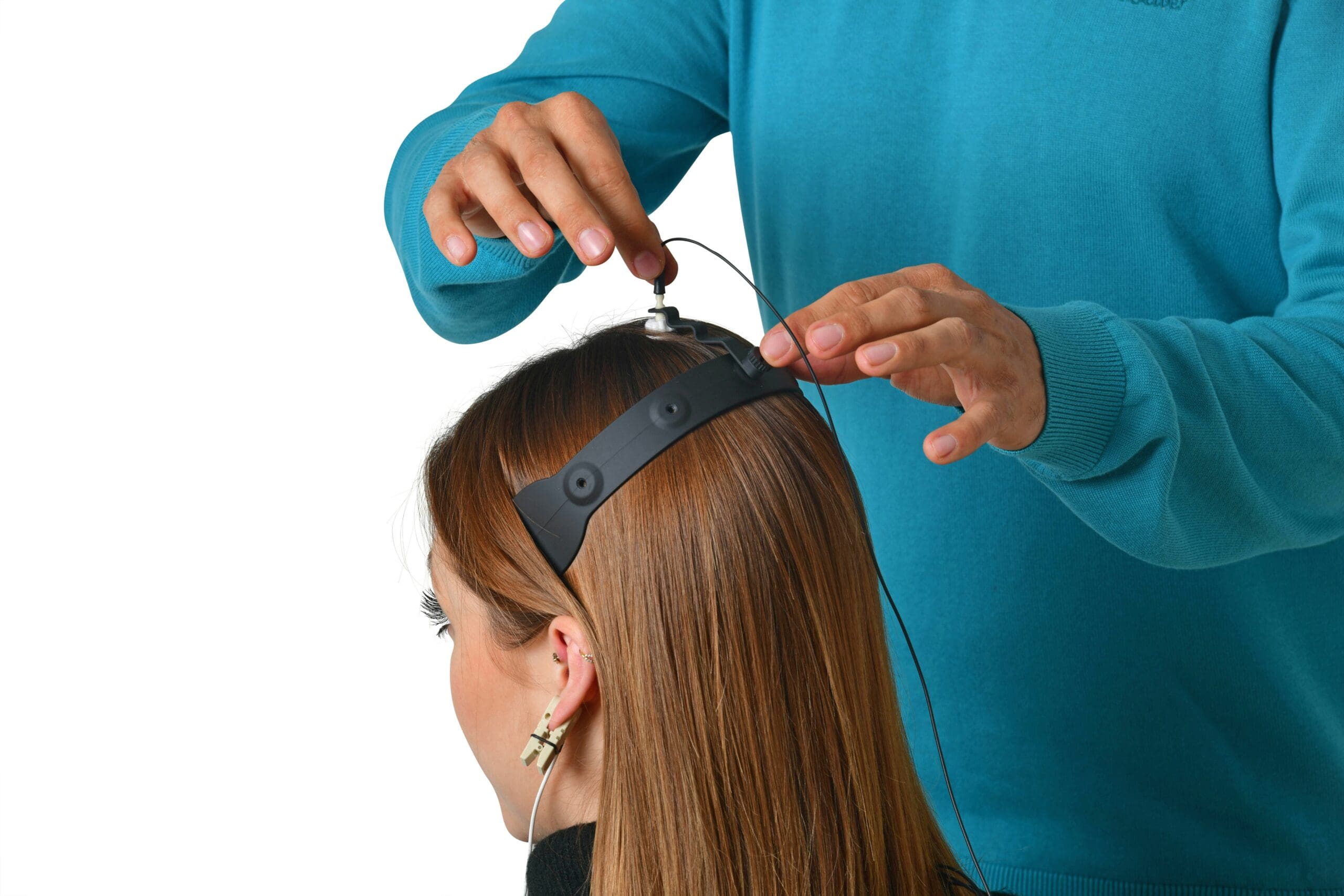
A new wearable system is designed to address this challenge by monitoring brain activity continuously during high-risk scenarios. Integrated into a standard hearing protection headset (the Ops-Core AMP Neuro headset), the system uses electroencephalography (EEG) sensors to track neural signals before, during, and after blast exposure. The goal is to provide objective, real-time insight into how the brain responds under these conditions.
The technology focuses on identifying specific patterns in brain activity linked to potential injury. During testing, changes were observed in key frequency bands; an increase in Theta and Delta waves alongside a decrease in Alpha activity. These shifts are associated with slower brain function and have been linked to mild traumatic brain injury. In some cases, measurable changes appeared within minutes of exposure, highlighting a critical window for early detection.
According to NextGenDefense, by embedding sensors into existing protective gear, the system enables continuous monitoring without adding complexity for the user. Data collected during training can be analyzed immediately, allowing instructors or medical personnel to flag individuals who may require further evaluation. This reduces reliance on subjective symptom reporting and supports more consistent assessment.
Beyond detection, the system introduces a data-driven approach to managing exposure. Patterns across multiple sessions can help identify cumulative effects and inform adjustments to training protocols. This could improve safety while maintaining operational readiness.
From a defense and homeland security perspective, the ability to monitor neurological impact in real time has clear implications. Personnel involved in breaching, explosives handling, or live-fire exercises are regularly exposed to conditions that may affect cognitive performance. Early identification of potential injury can help prevent long-term damage and ensure individuals remain fit for duty.
As wearable sensing technologies continue to evolve, integrating physiological monitoring into standard equipment may become a baseline requirement in high-risk operational environments.























