This post is also available in:
 עברית (Hebrew)
Hand edema can significantly limit mobility, reduce grip strength and complicate recovery following injury, surgery or chronic illness. Standard treatments often rely on manual lymphatic drainage or compression bandaging, requiring repeated clinical visits and consistent supervision. For many patients, access and adherence remain ongoing challenges.
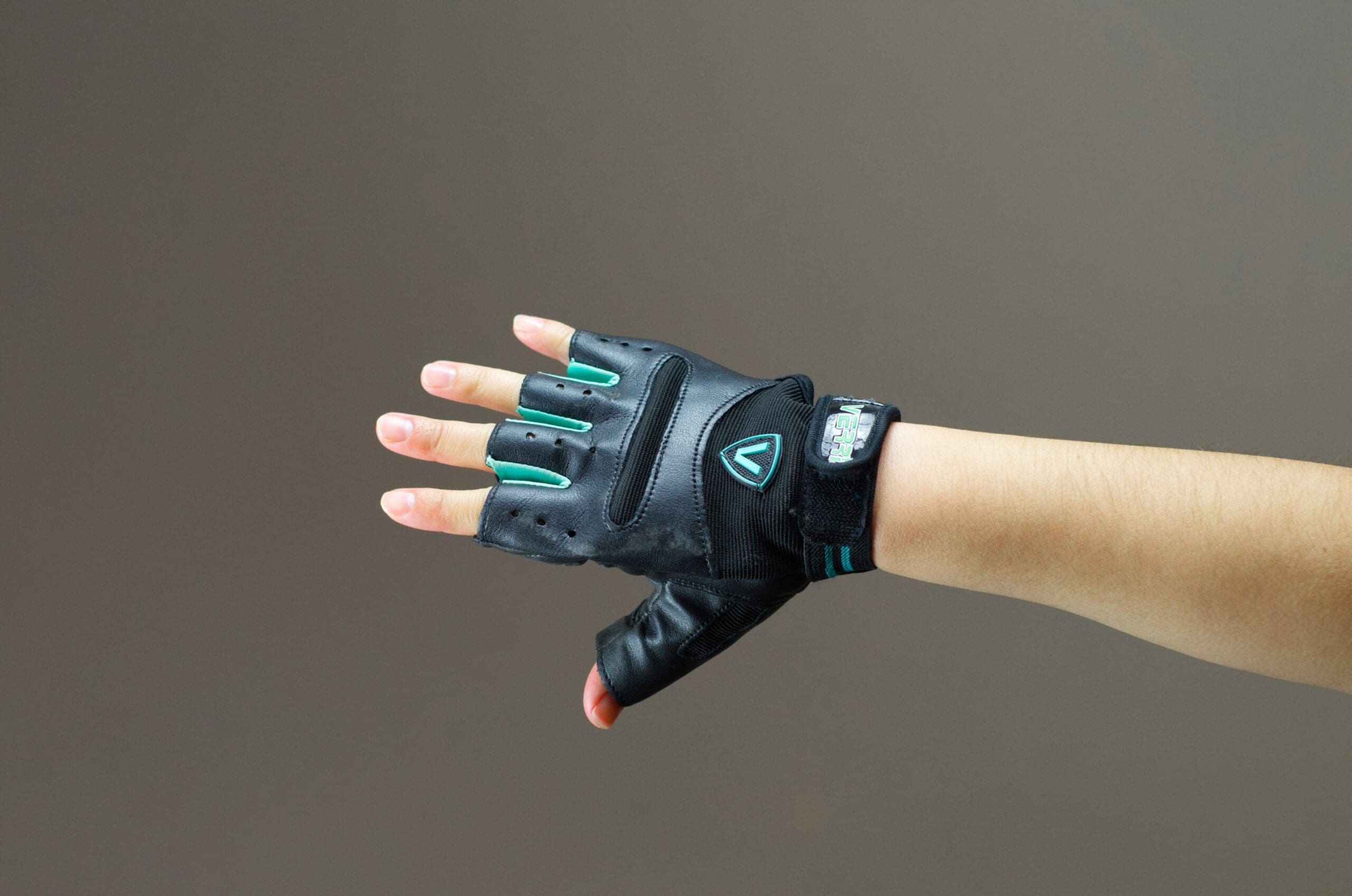
A newly developed soft-robotic glove aims to shift part of that therapy into the home. The device, known as EdemaFlex, integrates 37 miniature actuators distributed across all five fingers and the palm to deliver controlled, sequential compression. In a small clinical evaluation involving seven participants with diagnosed hand edema, the system was shown to be safe for unsupervised home use. After a single 30-minute session, one participant experienced a hand volume reduction of up to 25%, while most others saw reductions between 3% and 5%. Circumference measurements also decreased by approximately 3% for most users.
The glove operates using thread-like shape memory alloy (SMA) springs woven directly into a knitted textile structure. When activated by a compact circuit board, the springs contract in a distal-to-proximal sequence — starting at the fingertips and progressing toward the palm and wrist. This motion is designed to mobilize excess fluid out of the hand, supporting lymphatic and venous return.
According to TechXplore, six actuators are embedded in each finger and seven in the palm. Compression intensity and duration can be adjusted to suit individual therapeutic needs. The textile itself incorporates flexible yarns, including a spandex blend, to ensure close fit and comfort during operation.
A digital customization workflow supports personalization. Clinicians capture hand measurements, which are translated through software into knitting instructions for rapid prototyping. The initial glove is fitted, adjusted as needed, and refined into a final version tailored to the patient’s anatomy and clinical condition.
Beyond civilian healthcare, such wearable soft-robotic systems may have relevance for defense and emergency response settings. Portable, automated compression therapy could support injured personnel in field environments where access to specialized care is limited.
The results suggest that textile-based soft robotics may offer a practical, user-friendly option for managing localized swelling outside traditional clinical settings.
The research was published here.