This post is also available in:
 עברית (Hebrew)
Engineers have long sought materials that can change their mechanical behavior depending on the situation. In robotics and protective equipment, the challenge is clear: structures need to remain stable under routine loads, yet respond differently under sudden impact. Traditional solutions often rely on sensors, electronics or active control systems, adding weight and complexity.
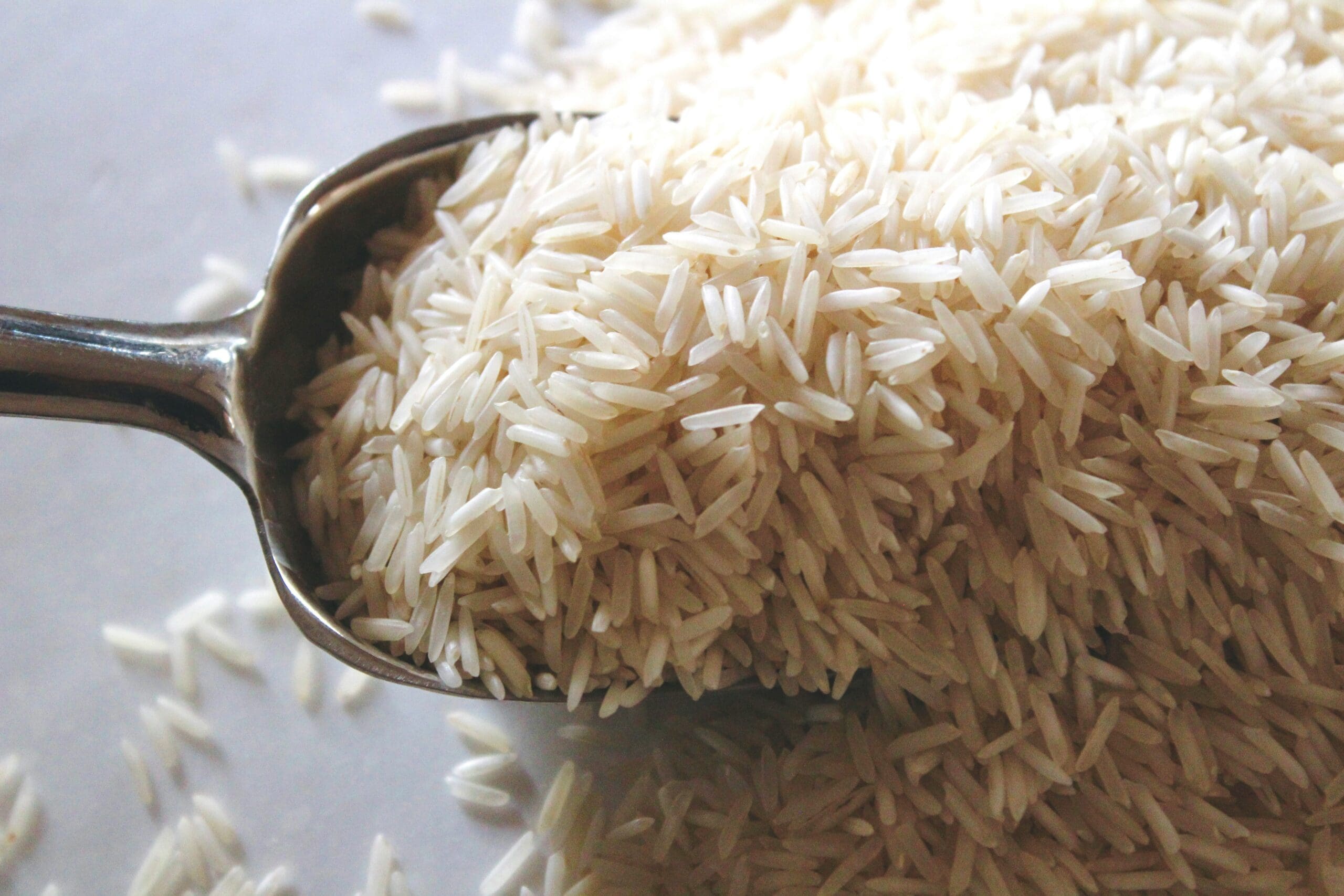
New research suggests that an answer may lie in an unexpected source — rice.
Scientists found that tightly packed rice grains respond differently depending on how quickly they are compressed. Under slow loading, the granular structure maintains its strength. When compressed rapidly, however, it becomes weaker. This counterintuitive effect, known as rate softening, occurs because friction between the grains drops sharply during fast loading. As friction decreases, the internal force chains that normally carry stress through the material begin to break down.
Building on this phenomenon, researchers developed engineered composites, or metamaterials, that combine rice with other granular media such as sand. According to Interesting Engineering, unlike rice, some granular materials stiffen when subjected to rapid loads. By blending materials with opposing responses, the team created structures that automatically alter their stiffness depending on how they are handled — without electronics, sensors or external control.
The result is a class of passive, speed-sensitive materials that can bend, buckle or stiffen purely through their internal mechanics. In soft robotics, this could enable lighter and inherently safer machines that adapt to physical interaction in real time. Robots built from such materials may better withstand dynamic environments while remaining compliant during slower, controlled movements.
Beyond civilian applications, the implications for defense and homeland security are significant. Impact-resistant gear that reacts differently to gradual pressure versus sudden shock could improve protection for soldiers, law enforcement and first responders. Helmets, body armor components or vehicle interiors made from these composites could dissipate energy more effectively during blasts or high-speed collisions, while remaining flexible in normal use.
The broader takeaway is that common granular matter can be engineered into functional systems by leveraging its intrinsic physical behavior. By harnessing the mechanics of rice and similar materials, researchers have outlined a path toward adaptive structures that respond automatically to stress — driven not by software, but by physics itself.
The research was published here.