

This post is also available in:
 עברית (Hebrew)
Ballistic missile defense has become a race against both technology and inventory. As missile threats grow in number, range, and complexity, interceptor stockpiles are being depleted faster than they can be replenished. For missile defense systems, effectiveness is not just about performance on paper, but about having enough interceptors available to sustain prolonged operations and deter adversaries in the first place.
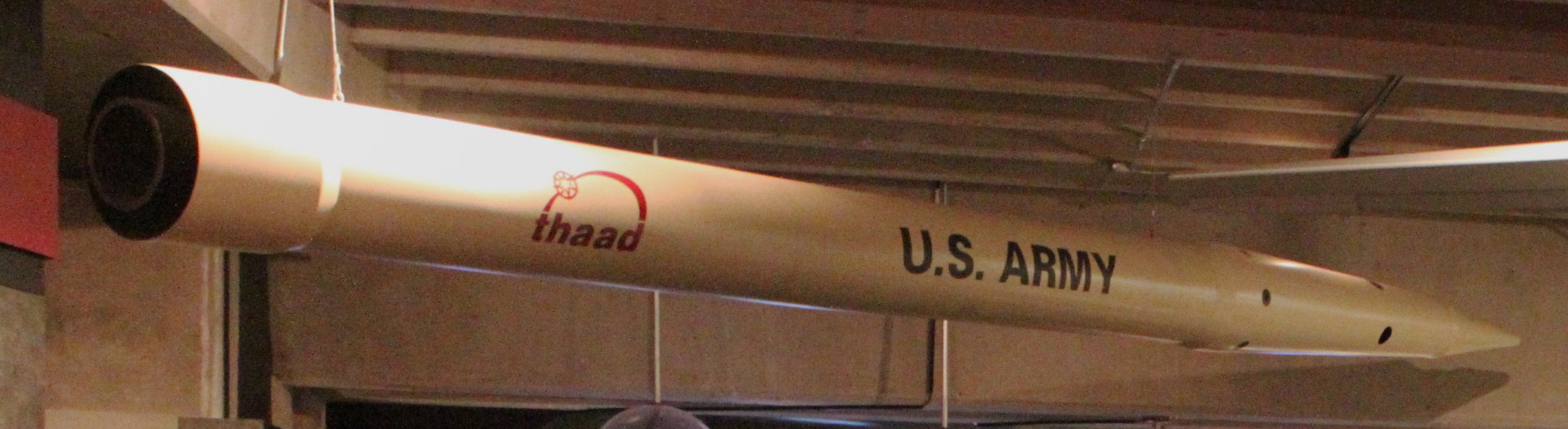
A new production push is intended to address that pressure point. Plans are now in place to dramatically increase annual output of interceptors for a high-altitude missile defense system (Lockheed Martin’s THAAD interceptors), scaling production from fewer than 100 units per year to as many as 400. The move reflects a shift away from boutique, low-rate manufacturing toward industrial-scale output better aligned with current demand.
According to Interesting Engineering, the interceptors in question are designed to defeat short-, medium-, and intermediate-range ballistic missiles during both the terminal and midcourse phases of flight. Unlike many air-defense systems, they are capable of engaging targets both inside and outside the atmosphere, expanding the engagement envelope and providing commanders with more options when responding to missile launches.
To enable the production surge, a new framework agreement establishes long-term manufacturing expectations rather than relying on individual, short-term contracts. This approach allows suppliers to invest in tooling, workforce expansion, and automation with greater confidence, reducing bottlenecks that typically slow ramp-ups during crises.
Manufacturing capacity is being expanded across multiple sites, supported by advanced production methods such as robotics, digital quality control, and modernized assembly lines. A new acceleration center dedicated to missile production is also planned, aimed at training workers and standardizing high-rate output for interceptors and related systems. The goal is not only higher volume, but more predictable delivery schedules over the coming years.
From a defense and homeland security perspective, the increased output directly supports layered missile defense architectures. High-altitude interceptors complement lower-tier systems by engaging threats earlier and over a wider area, protecting population centers, deployed forces, and critical infrastructure. Integration with other interceptor types has already been demonstrated, allowing multiple systems to share tracking data and expand the defended battlespace.
The production increase also signals a broader trend in defense acquisition. Rather than focusing solely on next-generation designs, militaries are prioritizing the availability of proven systems at scale. In missile defense, deterrence depends as much on sustained interceptor supply as on technical capability.
As missile threats continue to proliferate, the ability to produce interceptors in large numbers may prove just as decisive as advances in radar or guidance technology.























