

This post is also available in:
 עברית (Hebrew)
Military training has traditionally focused on observable outcomes – whether a task was completed correctly or a decision was made on time. But this approach often misses a critical layer: why those decisions were made in the first place. Factors such as stress, attention, and cognitive load can influence performance, yet they are difficult to measure in real time.
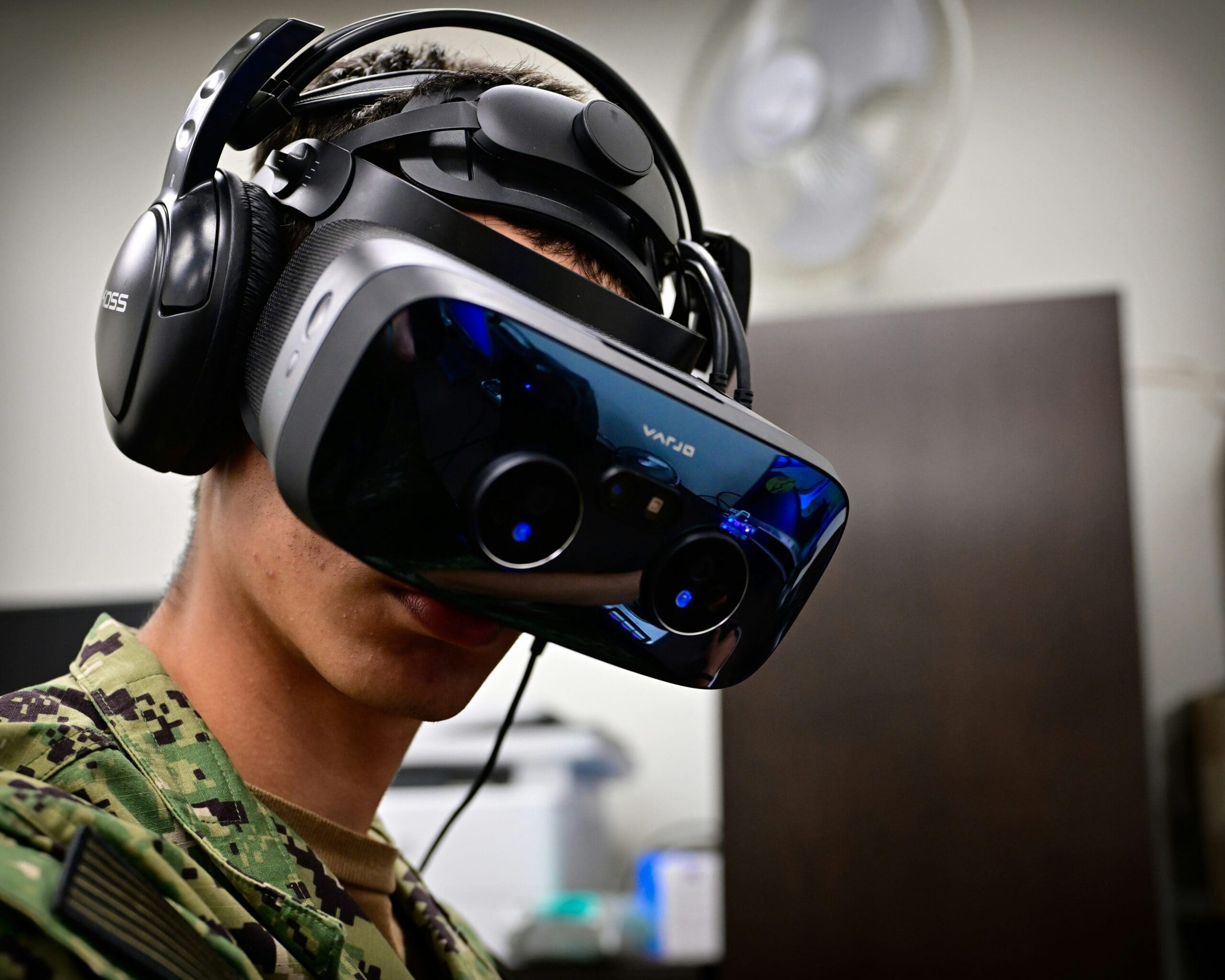
A new virtual reality training system (VRAI) is designed to close that gap by integrating biometric and behavioral data directly into simulation environments. Instead of evaluating only visible actions, the platform captures physiological and cognitive indicators during training sessions, providing a more complete picture of performance.
The system combines immersive VR with eye-tracking and biometric sensors to monitor variables such as heart rate, gaze direction, reaction patterns, and stress levels. According to NextGenDefense, these inputs are processed in real time and presented through an instructor dashboard, allowing trainers to see not just what trainees are doing, but how they are responding under pressure.
This approach enables more targeted feedback. Instructors can identify moments where stress levels spike, attention shifts, or decision-making slows down, and intervene accordingly. Over time, the collected data can also be used to refine training scenarios and improve overall effectiveness.
Another key aspect is scalability. Traditional training setups often require significant resources and limit the number of participants per instructor. By moving into a virtual environment, the system allows a single trainer to oversee larger groups simultaneously, increasing efficiency without reducing oversight.
The platform also supports continuous improvement. Each training session generates data that can be analyzed and applied to future exercises, creating a feedback loop that enhances both individual and group performance over time.
From a defense perspective, this reflects a broader shift toward data-driven training and readiness assessment. Understanding how individuals react in high-pressure situations is critical for roles where decision-making under stress can have operational consequences. Systems that provide insight into these factors can help identify strengths and weaknesses earlier in the training process.
As training environments become more complex, combining immersive simulation with real-time human performance data may offer a more precise way to prepare personnel for real-world scenarios, where both actions and reactions matter.























