This post is also available in:
 עברית (Hebrew)
Modern battlefields are placing new demands on strike systems. Forces need weapons that can be deployed quickly, adapted across platforms, and produced in large numbers without complex logistics. Loitering munitions have emerged as a key answer, but many current solutions rely on loosely integrated components—drones, fuzes, and warheads sourced and assembled separately—slowing fielding and complicating sustainment.
A recent live-fire test points to a more streamlined approach. An integrated drone strike package combining the Virtus aerial platform with the LION STRIKE 110 warhead was validated during trials at a test range in Schrobenhausen. The demonstration showed that the drone, warhead, and fuze function as a single, tightly coupled system rather than as independent parts brought together at the last moment.
This integration is intended to reduce friction at every stage, from manufacturing to deployment. By designing the warhead and delivery platform as a unified package, developers aim to shorten deployment timelines, simplify logistics, and make it easier to transfer the same strike capability onto future unmanned systems. Instead of redesigning a payload for each new drone, the modular warhead can be adapted across aerial, ground, or maritime platforms.
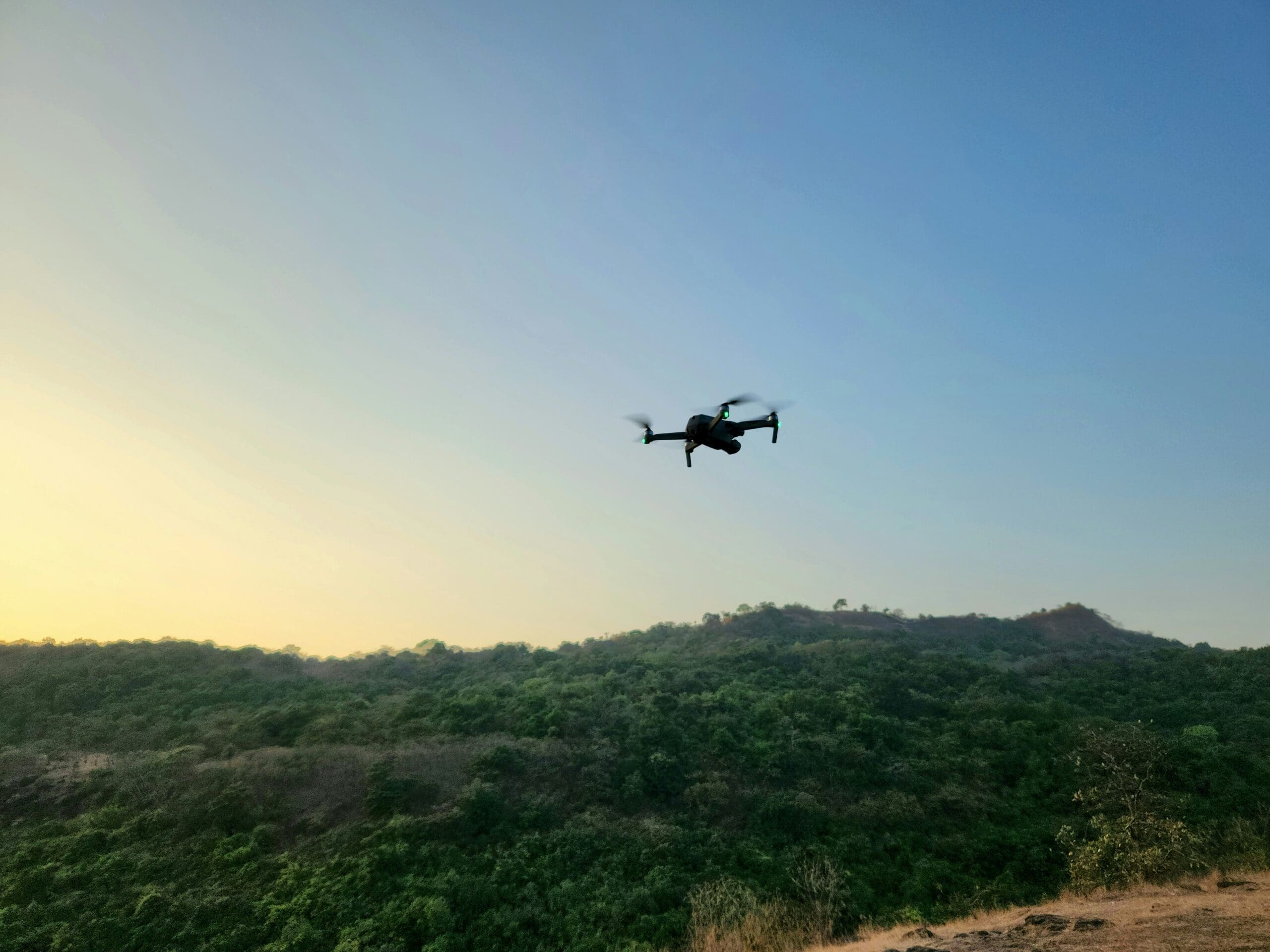
The drone itself is built for speed and flexibility. Using a vertical takeoff and landing configuration, it can cruise at around 120 kilometers per hour and accelerate into a terminal dive at speeds of up to 250 kilometers per hour. With a payload capacity of up to five kilograms, it is designed to engage both stationary and moving targets on short notice.
According to NextGenDefense, the warhead is designed to defeat modern armored vehicles, including main battle tanks. It combines a shaped charge with an integrated electronic safety and firing unit, ensuring controlled handling and precise detonation. Its modular architecture is meant to support scaling, allowing large numbers of identical warheads to be fielded without platform-specific redesigns.
The test reflects a broader move toward scalable strike systems suited for high-tempo operations. Integrated loitering munitions offer forces the ability to generate precision effects without relying on expensive missiles or crewed aircraft.
The trial supports plans to field operational loitering munition capabilities by the end of 2026, with ambitions to deploy thousands of integrated systems by 2027. As conflicts continue to highlight the value of fast, adaptable, and affordable strike options, integrated drone–warhead packages like this one illustrate how loitering munitions are evolving from ad-hoc solutions into standardized battlefield tools.