This post is also available in:
 עברית (Hebrew)
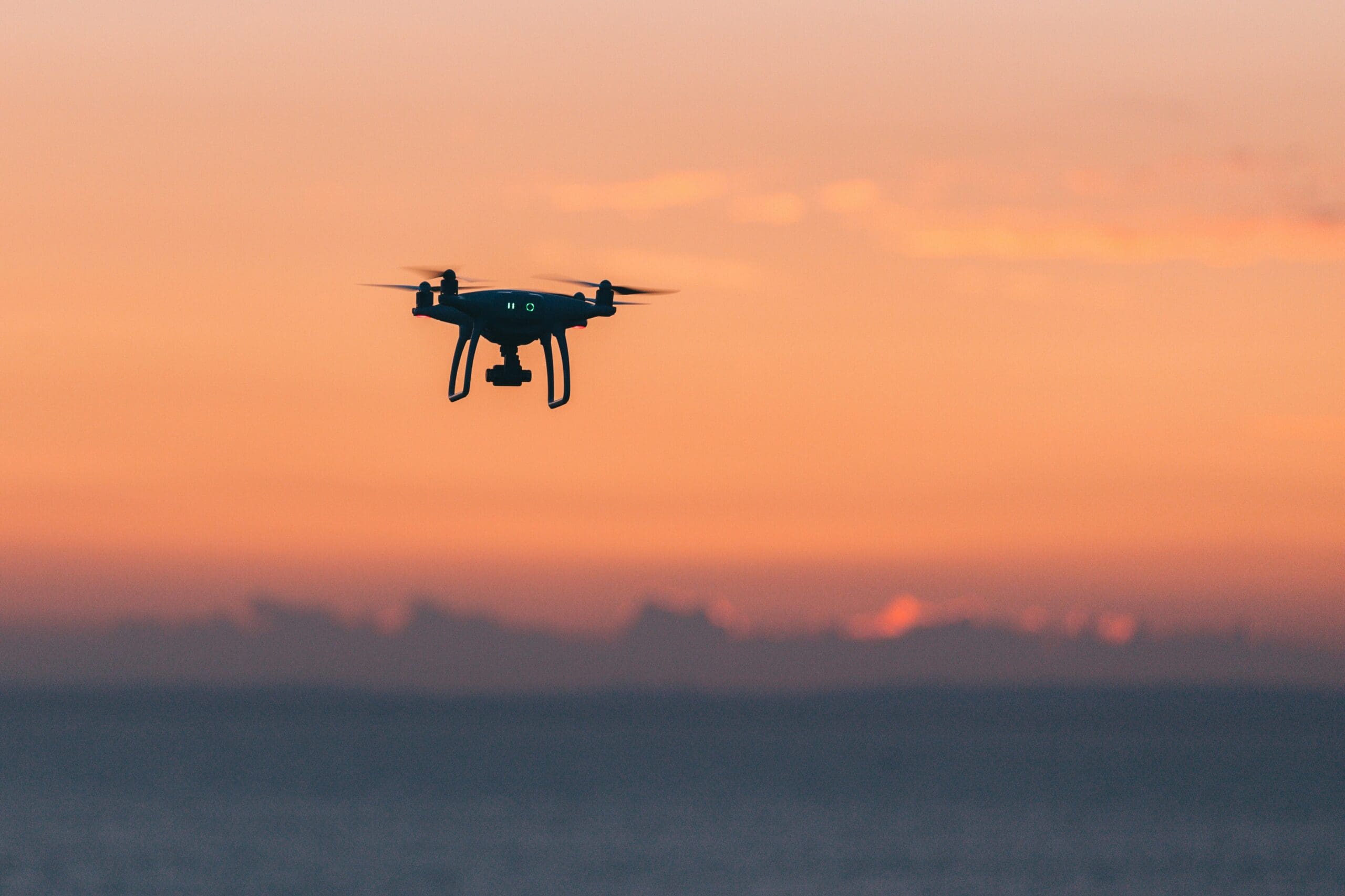
Drone-on-drone interception becomes considerably harder as the target gets faster. An interceptor not only has to locate and approach another aircraft but also calculate where the target will be when their flight paths meet, all while working with limited battery capacity and only minutes of available flight time.
Ukraine’s Vluchnyk has developed the Zorelit v5 around that challenge. The high-speed interceptor drone has completed its internal testing cycle and is now available for delivery to military units through direct contracts.
According to the manufacturer, it can reach 416 km/h and travel up to 47 kilometers on a single charge. At a cruising speed of approximately 200 km/h, it can remain airborne for around 17 minutes.
That performance is intended to let the interceptor catch aerial targets moving at roughly 300-350 km/h, including reconnaissance UAVs and faster jet-powered attack drones. The manufacturer specifically lists the Gerbera, Geran-2, Geran-3 and Geran-4 among its intended targets.
The aircraft carries a 300-600 gram warhead and is designed to intercept drones directly along their flight path. Its standard equipment includes a rotating camera gimbal, an ELRS control system with selectable frequency bands, a 2.5-watt video transmitter and a warhead initiation board supporting remote detonation and a physical safety pin.
Automation can assist with the difficult final approach.
According to Interesting Engineering, the interceptor can be equipped with AI-based automatic target detection and illumination, as well as automatic terminal guidance during the last stage of an interception. This can reduce the amount of manual control required when both aircraft are moving quickly.
An optional integration with SkyMap adds another layer of automation. The system can guide the drone toward the target area and calculate an interception trajectory using information about the target’s movement. Importantly, it also considers the interceptor’s remaining battery, helping determine a route that the aircraft still has enough energy to complete.
Operators can alternatively control it remotely, with video transmitted over the internet.
The design builds on the earlier Zorelit v4, which the manufacturer says has already been used in combat, adopted for service and assigned a NATO Stock Number. Technical lessons from that aircraft were incorporated into the new model.
Each one also undergoes an individual test flight before delivery. The company records the test and marks the aircraft so its specific assembly and components can be traced.
The interceptor is expected to become more widely available after completing Ukraine’s codification process.
Its development reflects the changing counter-drone problem. As attack UAVs become faster, interceptors need more than raw speed: they must calculate where the target is going, manage limited energy and complete the final engagement before their short interception window disappears.