This post is also available in:
 עברית (Hebrew)
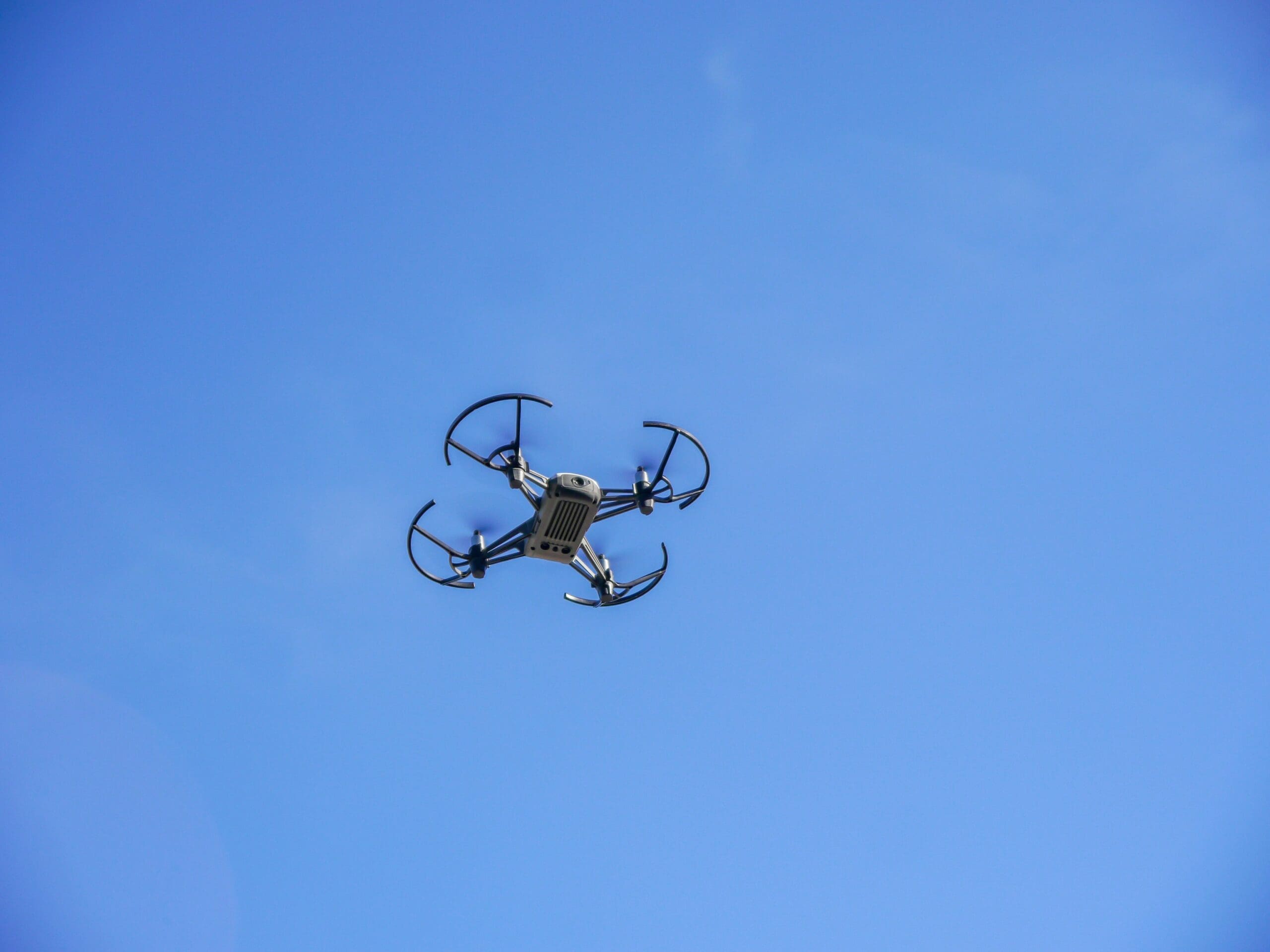
Electronic warfare equipment can help aircraft detect hostile emitters, recognize threats and protect themselves from electronic attack. The problem is that traditional EW systems can be too large, heavy and power-hungry for the growing number of small drones and other compact aircraft now expected to operate in contested airspace.
BAE Systems has introduced Shadow EW, a new family of electronic-warfare systems designed specifically around those constraints. The technology combines compact hardware, commercially available processors and software-defined capabilities, allowing EW functions to fit aboard platforms with limited payload and electrical capacity.
Rather than developing a completely different system for every aircraft, it uses an open, platform-agnostic architecture. Individual configurations can be adapted according to the available space, mission and required electronic-warfare functions, while supporting both crewed and uncrewed aircraft.
According to Interesting Engineering, the family is intended to provide capabilities including radio-frequency threat awareness, targeting, deception and self-protection. It can also support collaborative electronic effects, allowing several networked platforms to contribute to an electronic-warfare mission rather than relying on one aircraft carrying all the required equipment.
Software plays an important role in keeping the system relevant after deployment. Electronic threats can change quickly as adversaries modify radar signals, communications and tactics. Instead of replacing hardware every time a threat evolves, operators can update or reconfigure its portions through software changes.
That approach could be particularly useful for drones expected to remain in service while the electromagnetic environment around them changes.
Another unusual element is the use of commercially available microchips for onboard computing. Specialized military electronics can provide high performance but may be expensive and difficult to manufacture in large quantities. Commercial processors can simplify the supply chain while providing computing power already produced at scale.
The company says scalability was considered from the beginning. That matters as militaries field growing numbers of autonomous and potentially expendable aircraft. Equipping hundreds or thousands of drones with bespoke EW hardware would quickly become costly, limiting how widely electronic protection could be distributed.
For defense operations, spreading EW capability across more platforms could also change how forces use the electromagnetic spectrum. A small drone equipped with electronic sensing could contribute threat information to other aircraft, while several systems could potentially coordinate electronic effects across a wider area.
Detailed specifications remain undisclosed. The company has not released detection ranges, frequency coverage, power requirements or performance figures for individual variants.
The broader design philosophy, however, is clear: shrink the physical electronic-warfare package, rely on software for adaptability and use commercially available computing hardware to make production easier to scale. As combat drones become more numerous, protecting them may increasingly require EW systems designed to be produced in equally large numbers.