This post is also available in:
 עברית (Hebrew)
As defense technology becomes increasingly software-driven, military organizations are looking beyond traditional defense contractors and toward companies specializing in autonomous systems, artificial intelligence, sensors, and networked warfare. For technology firms operating in this space, access to advanced defense ecosystems can play a significant role in accelerating product development and operational testing.
One of the fastest-growing defense technology companies in the world (Anduril) is now reportedly evaluating how to establish a local presence in Israel, with plans that could include both defense sales and participation in research and development activities.
According to reports, the company is currently conducting market assessments and meeting with senior defense and industry officials while evaluating different models for establishing operations. Among the options reportedly under consideration are building a local organization from the ground up or entering the market through an acquisition.
The company is also said to be in the final stages of selecting a local executive to lead future operations.
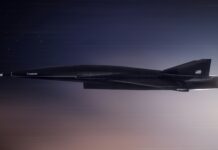
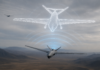
The potential expansion is notable because the company has become one of the most prominent players in the defense-tech sector. Its portfolio spans autonomous drones, counter-drone systems, command-and-control platforms, interceptors, cruise missiles, autonomous aircraft, sensors, and battlefield networking technologies.
Much of its growth has been driven by a strategy that combines internal development with targeted acquisitions. Over the years, it has added capabilities in areas such as radar technology, satellite intelligence, autonomous aviation, infrared sensing, rocket propulsion, and tactical communications.
From a defense perspective, a local presence could create opportunities for collaboration on autonomous systems, AI-enabled defense applications, command-and-control technologies, and next-generation sensor networks. These areas are increasingly central to modern military operations, where rapid decision-making and autonomous capabilities are becoming as important as traditional hardware.
The company has also placed significant emphasis on software-defined defense systems that integrate information from multiple sensors and platforms into a unified operational picture. This focus aligns with broader trends shaping military modernization programs worldwide.
While no final decision has reportedly been made regarding the structure of the expansion, the move reflects the continuing globalization of defense technology development. As autonomous systems, artificial intelligence, and advanced sensing technologies become more prominent, companies operating in these sectors are increasingly seeking access to environments that can support both innovation and operational deployment.
The reported expansion remains in the exploratory phase, but it signals growing interest in strengthening international partnerships within the defense technology sector.