

This post is also available in:
 עברית (Hebrew)
Machine guns remain a core element of infantry firepower, but the way soldiers use them has changed significantly over the past two decades. Modern combat increasingly relies on thermal sights, night-vision devices, and advanced optics that help operators detect and engage targets in complex environments. Many legacy weapon systems were designed before these technologies became commonplace, creating integration and ergonomics challenges for today’s users.
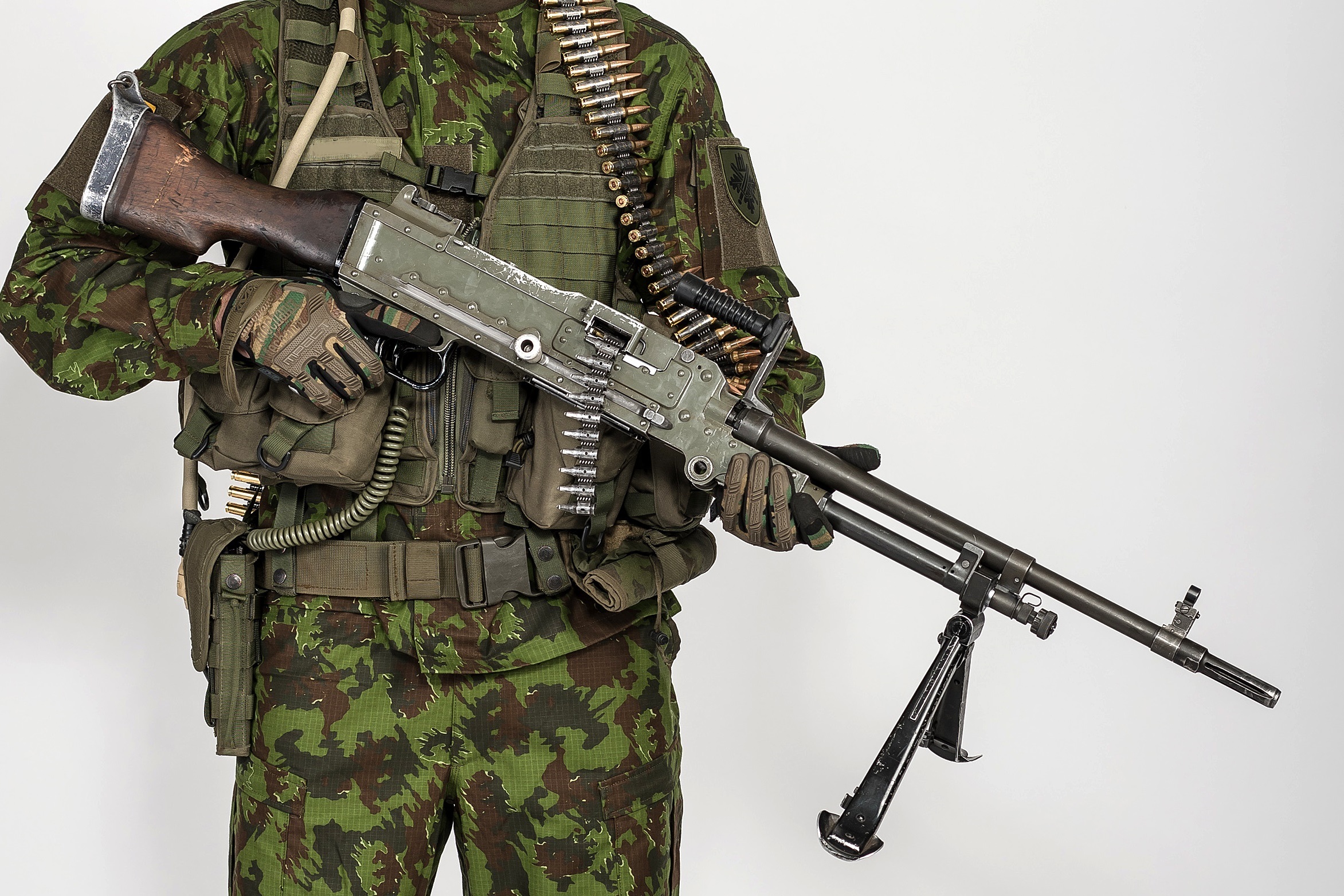
A new variant of the FN MAG general-purpose machine gun is designed to address those changes without altering the weapon’s core operating system. Instead of redesigning the firearm itself, the update focuses on improving how operators interact with it and how modern sighting equipment can be integrated into the platform.
The most visible change is a new monolithic top rail that significantly increases available mounting space. The extended rail provides approximately 35.5 cms of continuous attachment area, allowing operators to install multiple sighting systems in line with one another. According to NextGenDefense, this configuration supports combinations such as daytime optics paired with thermal or night-vision devices while preserving access to the weapon’s original iron sights.
The design reflects a growing trend in modern infantry weapons, where layered optics have become increasingly common. Machine gunners can now configure the platform for different lighting and operational conditions without removing or swapping sighting systems.
Several mechanical changes were also introduced to improve handling. The feed cover now features an ambidextrous latch system that can be operated from either side of the weapon. An automatic retention mechanism keeps the cover open during loading, unloading, and malfunction-clearing procedures, reducing the need for manual handling during critical tasks.
The upgraded feed cover was also designed to support mounted optics weighing up to 2.5 kilograms while open, helping prevent interference between maintenance procedures and installed sighting equipment.
An adjustable tactical buttstock further improves ergonomics by allowing operators to modify both stock length and cheek-rest position. These adjustments help maintain proper eye alignment with optical systems, particularly when using night-vision or thermal devices.
From a defense perspective, the upgrade reflects a broader shift toward modernizing proven weapons rather than replacing them outright. The gun remains in service with military forces around the world, and improvements focused on optics integration, user ergonomics, and operational efficiency can help extend its relevance in increasingly sensor-driven battlefield environments.
The result is a machine gun designed not to change how it fires, but to better support how soldiers fight today.























