This post is also available in:
 עברית (Hebrew)
Security labels, optical data storage systems, and environmental sensors often face the same limitation: once information is encoded, it remains static. Creating materials that can selectively reveal different information under changing conditions has remained a difficult challenge, particularly when the goal is to do so quickly, repeatedly, and without complex electronics.
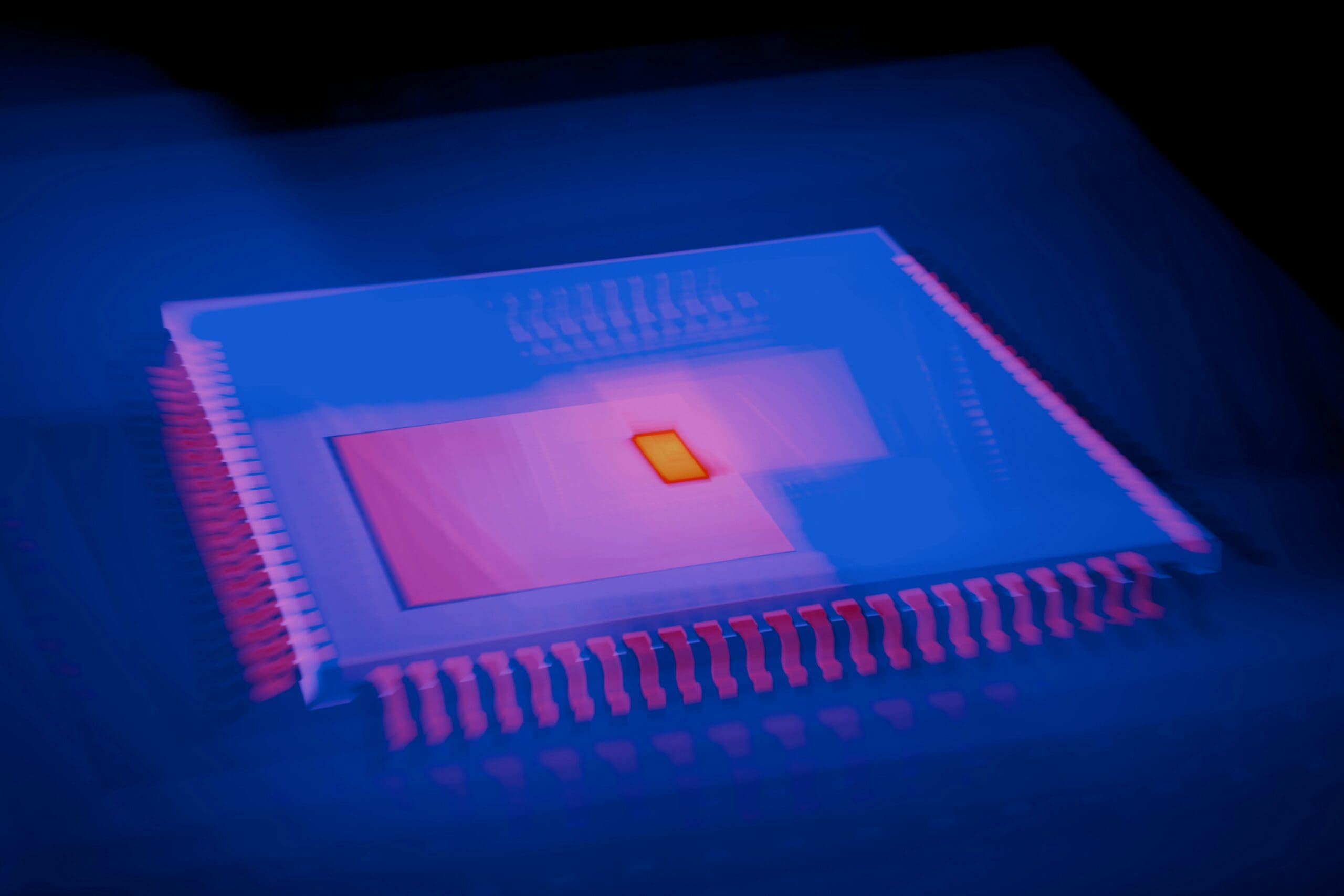
Researchers have now developed an optical device that changes both its appearance and the information it displays based on humidity levels in the surrounding air. The postage-stamp-sized chip can reveal hidden images, alter its color within milliseconds, and potentially store multiple layers of optical information within the same physical space.
The device is built from two functional layers that work together. The bottom layer uses antimony trisulfide, a phase-change material capable of storing rewritable optical information. Images can be written, erased, and rewritten onto this layer using a laser, functioning as a reusable data storage medium.
According to TechXplore, above it sits a hydrogel layer made from azido-grafted carboxymethyl cellulose. Unlike the lower layer, information encoded into the hydrogel is permanent and is created using ultraviolet light. The hydrogel responds directly to environmental moisture, swelling when humidity rises and shrinking when conditions become drier.
This physical expansion and contraction changes the spacing between the two layers. Although the gap is extremely small, it significantly affects how light reflects from the device. As the spacing changes, different optical patterns become visible and the apparent color shifts accordingly.
In demonstrations, one image remained visible under normal conditions, while increased humidity caused a second image to emerge and obscure the first. The transition could even be triggered by a person breathing onto the device. Both image switching and color changes occurred within approximately 300 milliseconds and remained repeatable over many cycles.
From a defense and security perspective, the technology could support anti-counterfeiting measures, authentication labels, and secure optical data storage. Environmental conditions such as humidity could effectively function as a physical key, revealing hidden information only under specific circumstances. The layered architecture could also allow multiple pieces of information to be stored within the same footprint and selectively accessed through environmental triggers.
Researchers are now investigating future versions that could be controlled electrically, expanding the range of potential applications beyond passive humidity sensing.
The research was published here.