This post is also available in:
 עברית (Hebrew)
The growing use of small drones is forcing a rethink in short-range air defense. Commercial quadcopters and improvised FPV systems are inexpensive, easy to deploy, and difficult to intercept with traditional methods. Using missiles to stop them creates a cost imbalance, while electronic warfare is not always effective against autonomous or hardened platforms.
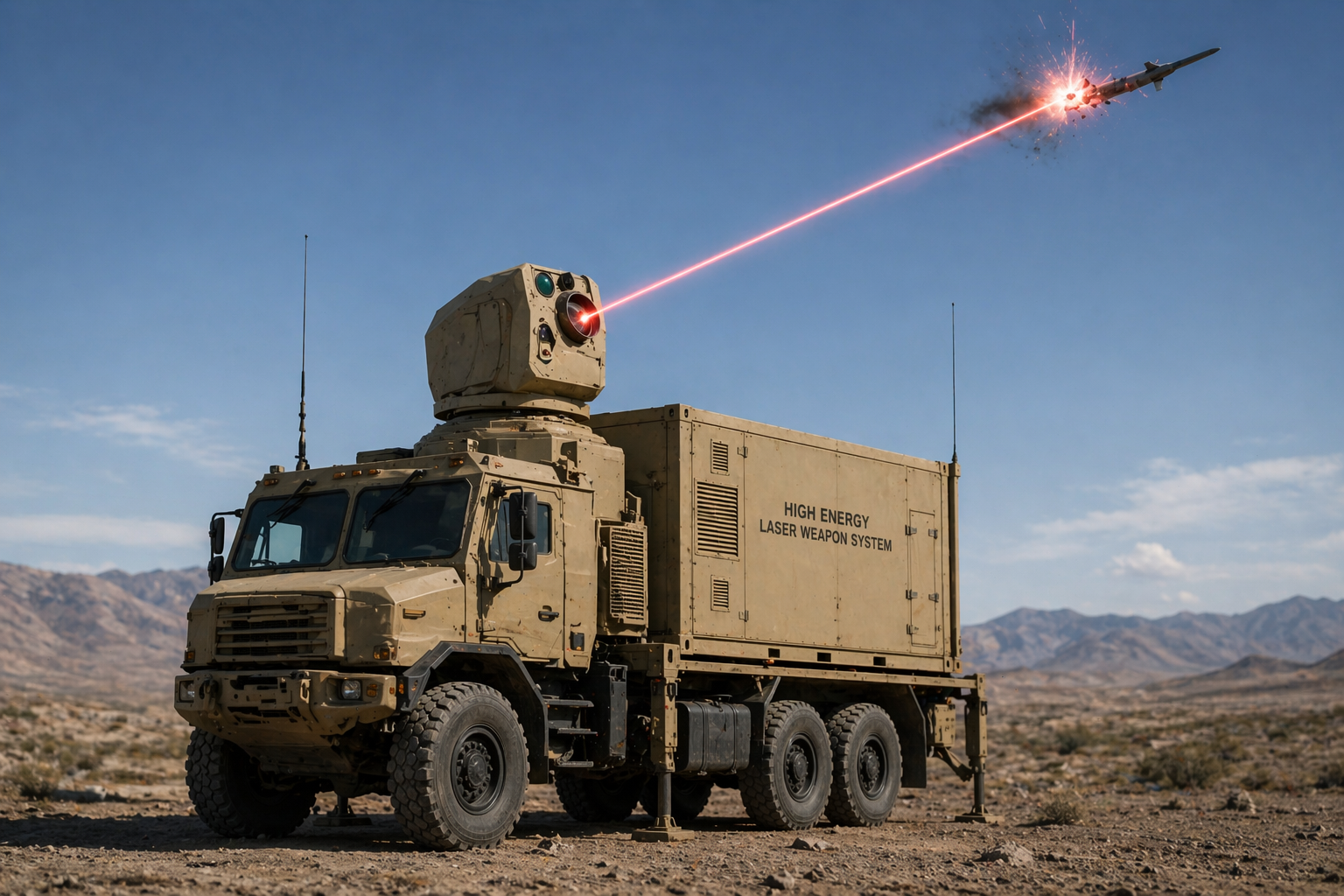
A new Chinese approach, called NI-L3K (developed by Novasky Technology), focuses on using directed energy as a close-range solution. Instead of launching interceptors, the system emits a focused laser beam to disable incoming drones. By targeting critical components such as motors or batteries, it can neutralize threats within seconds without physical contact.
The system is mounted on a light vehicle, allowing rapid deployment and flexibility in the field. A roof-mounted laser turret is paired with an electro-optical sensor that tracks targets at distances of up to roughly 1.4 kilometers. Once locked, the laser maintains focus on the drone until damage is sufficient to bring it down.
According to Interesting Engineering, one of the main advantages is cost per engagement. Each shot is powered by electricity rather than ammunition, reducing the cost to a fraction of conventional interceptors (10$). This makes it suitable for repeated use against multiple low-cost threats, particularly in scenarios where drones are deployed in large numbers.
The design also supports wide coverage. With a near full horizontal field of fire and adjustable elevation, the system can engage targets approaching from different directions at low altitude. This makes it suitable as a last line of defense around bases or critical infrastructure.
However, there are operational constraints. The system relies on onboard power, limiting endurance to short operational windows. Environmental factors such as dust, humidity, or extreme temperatures can also affect performance. In addition, each engagement requires several seconds, which may limit effectiveness against multiple simultaneous targets.
From a defense perspective, systems of this type are part of a broader move toward layered protection. Lasers can complement existing defenses by providing a low-cost option for close-range interception, reducing reliance on more expensive systems.
As drone threats continue to expand, integrating energy-based solutions into air defense networks may help balance cost, responsiveness, and operational sustainability.