This post is also available in:
 עברית (Hebrew)
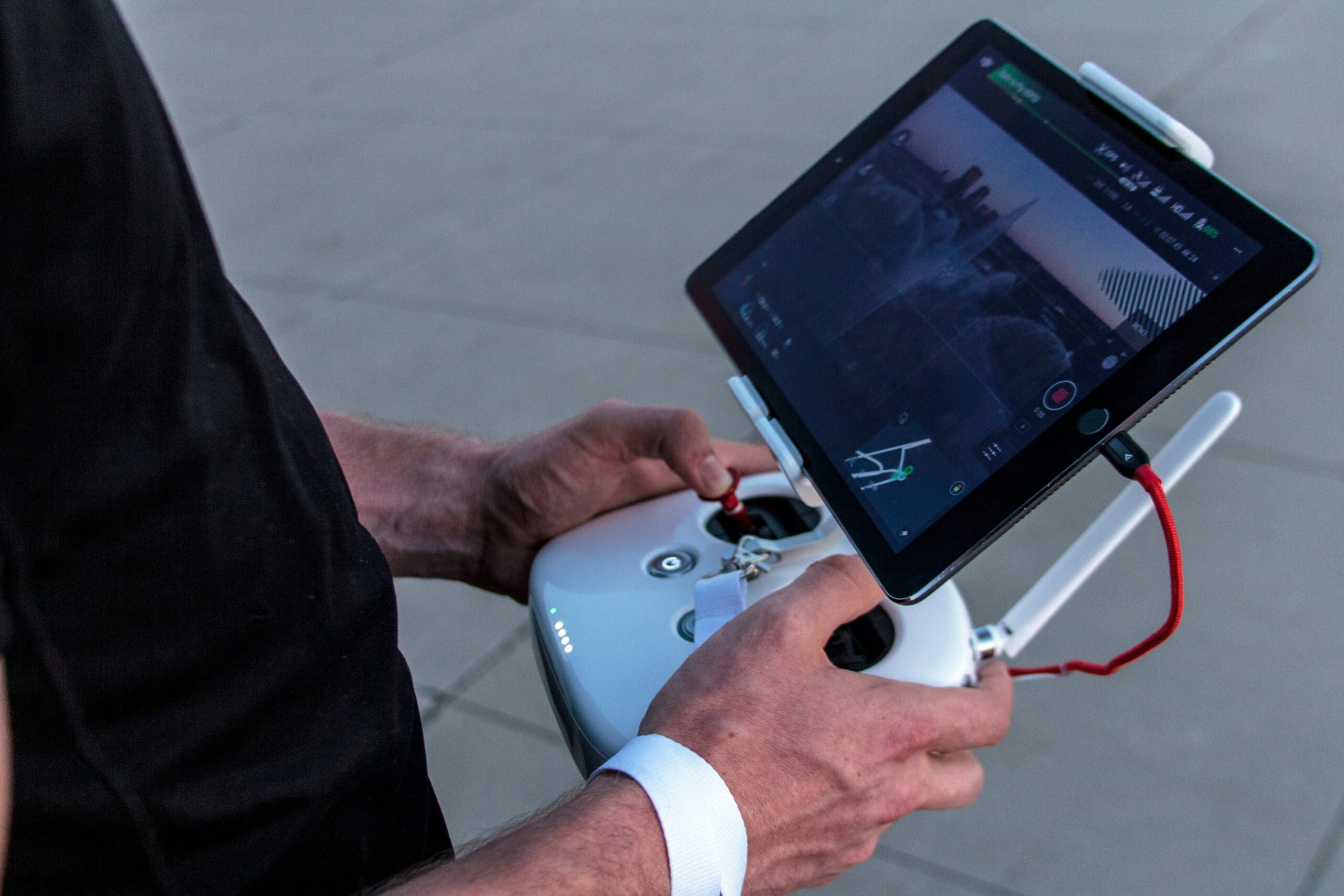
Operating drones on the battlefield often requires soldiers to expose themselves outside armored vehicles, even in high-risk environments. While drones provide critical situational awareness, the act of launching and controlling them can create vulnerabilities, especially when visibility tools like screens or tablets risk revealing positions.
A new field-developed solution, named the UAS Protection System (UPS), addresses this gap by allowing drone operations to take place entirely from inside the vehicle. The system replaces a standard periscope with a compact, 3D-printed interface that turns the existing port into a control point for unmanned aerial systems. This enables crews to maintain visual awareness while operating drones without dismounting.
The concept is simple but practical. By integrating directly into the periscope slot, the system provides a protected pathway for operating a drone while keeping all personnel under armor. According to NextGenDefense, it eliminates the need for soldiers to step outside or expose equipment, reducing the risk of detection and engagement.
The design also emphasizes speed and accessibility. Built using 3D printing, the system can be produced quickly and at low cost, allowing for rapid deployment across units. Its simplicity means it can be adapted to different vehicle types without requiring major modifications.
The idea emerged from a training scenario where the absence of a periscope forced a workaround. Instead of operating a drone externally, crews improvised by using the opening to maintain control from inside. This approach was later refined into a dedicated system that formalizes the concept into a repeatable solution.
From a defense perspective, the system highlights how small, user-driven innovations can have a direct impact on survivability. Maintaining situational awareness without increasing exposure is a key requirement in modern operations, particularly in environments where detection can quickly lead to targeting.
The use of additive manufacturing also reflects a broader trend. Units are increasingly able to design, prototype, and deploy solutions at the tactical level without waiting for long procurement cycles. This shortens the time between identifying a problem and implementing a solution.
While relatively simple in design, the system addresses a critical operational need: enabling drone use without compromising protection. In doing so, it offers a practical example of how incremental innovations can improve both safety and effectiveness in the field.