This post is also available in:
 עברית (Hebrew)
Filming on water has long posed a challenge for aerial cameras. Conventional drones struggle with spray, wind, and the simple problem of takeoff and landing when no dry surface is available. For surfers, sailors, and rescue teams alike, this often means choosing between risky manual operation or giving up aerial footage altogether.
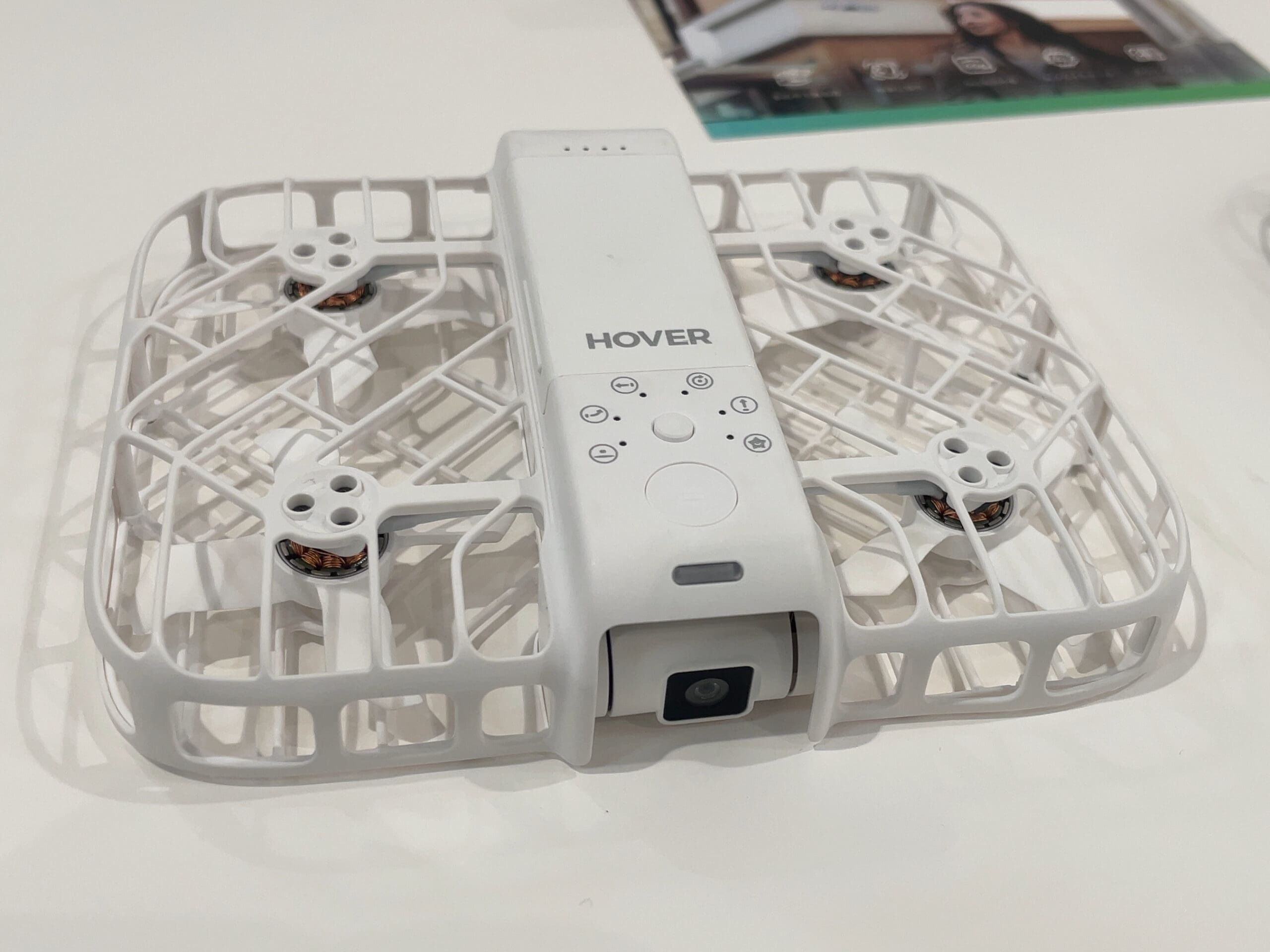
A new self-flying camera is designed to remove those constraints by treating water as a normal operating surface rather than an obstacle. The HOVERAir AQUA is a compact, fully waterproof aerial camera that can take off from water, land back on it, and continue filming without human control. Built specifically for water-based activity, the system combines buoyancy, sealed electronics, and automated flight to enable hands-free capture in environments where traditional drones fail.
According to Interesting Engineering, the core concept is simplicity. Users do not pilot the device in the conventional sense. Instead, AI-based tracking keeps the subject centered in the frame while the camera flies predefined patterns around them. This allows athletes or operators to focus entirely on their activity while the camera handles positioning, speed, and framing automatically.
Technically, the platform is optimized for harsh conditions. The camera body is rated IP67, meaning it can withstand full water exposure, while its hydrophobic lens reduces distortion from spray and splashes. A 4K camera records video at up to 100 frames per second using a large CMOS sensor, providing smooth footage even during fast motion. The drone can reach speeds of around 55 kilometers per hour and remain stable in strong winds, making it suitable for open water, rivers, and coastal conditions.
Battery endurance is another key factor. With up to 23 minutes of flight time, the system can follow extended activities without frequent recovery. A built-in AMOLED screen allows users to preview and review footage immediately, without relying on a phone or external display. Optional wearable controls enable basic commands such as recall or landing through a simple interface.
While designed for sports and content creation, the technology also has clear defense and security relevance; a lightweight, waterproof, self-flying camera capable of operating from water could support maritime patrols, port security, and search-and-rescue missions. Hands-free operation and autonomous tracking are particularly valuable in situations where personnel are already occupied or operating under stress.
By expanding automated aerial filming into water environments, this approach highlights a broader trend: drones are becoming specialized tools adapted to specific operational domains. Rather than asking users to adapt to the drone, systems like this are designed to adapt to the environment—whether that environment is land, air, or open water.