

This post is also available in:
 עברית (Hebrew)
Small first-person-view (FPV) drones have become a central tool in modern conflicts, but training operators remains a challenge. Real-world FPV flying demands quick reactions, precise control, and the ability to interpret fast-moving video feeds — all under conditions where jamming, cluttered terrain, or hostile fire can disrupt the mission. Conventional simulators often fail to capture this complexity, giving trainees an unrealistic sense of how agile quadcopters behave in the field.
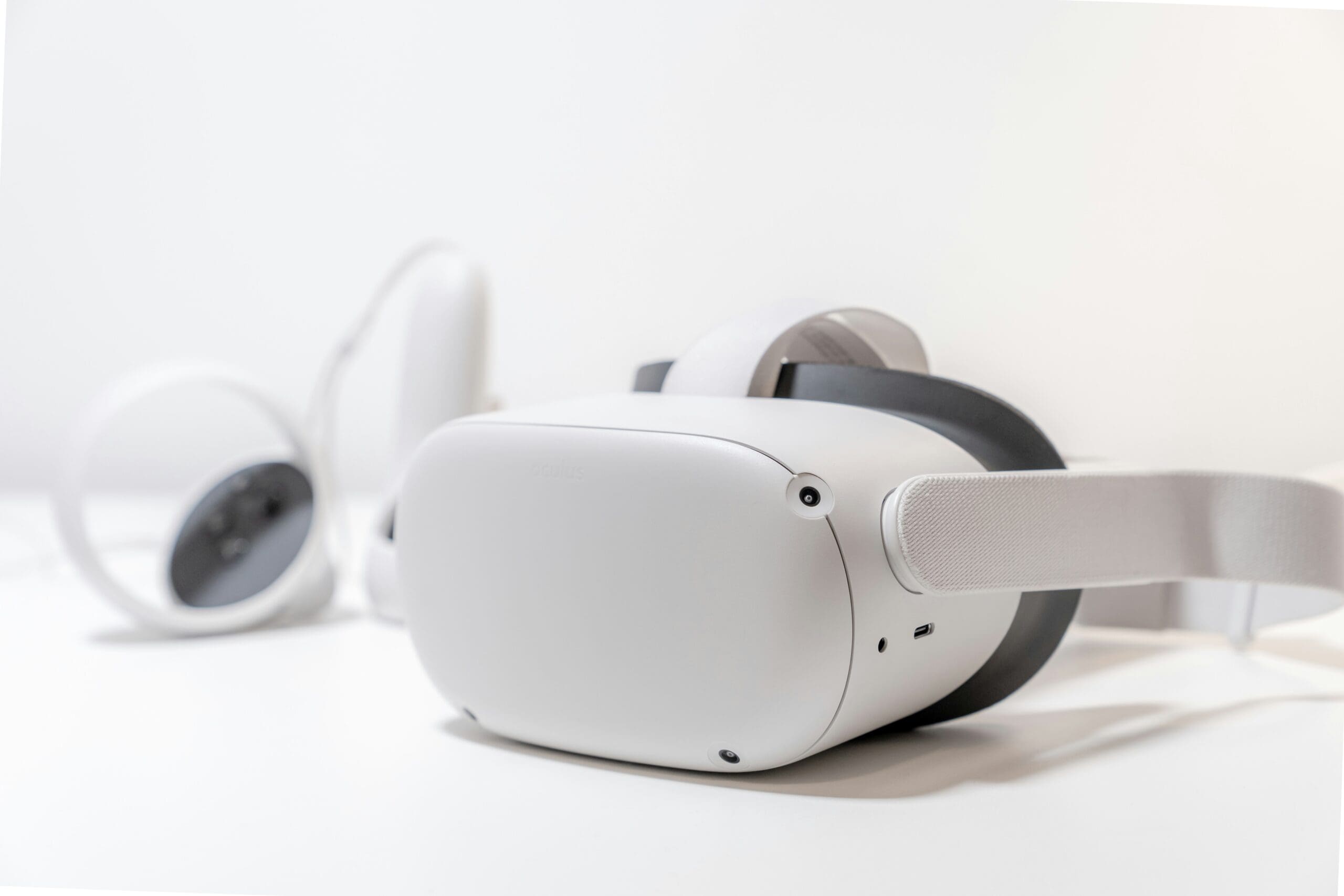
A new system introduced in the United States proposes a more accurate approach. Developed by MVRsimulation, the trainer blends gaming-grade hardware with advanced flight physics to mimic the look and feel of FPV drone operations. At its core is the company’s Virtual Reality Scene Generator, paired with a detailed quadcopter flight model from Bihrle Applied Research. The combination allows soldiers to enter a virtual environment modeled on real terrain, complete with military vehicles, weapons systems, and structures that appear dynamically as the scenario progresses.
According to NextGenDefense, the simulator is designed for both skill development and tactical decision-making. Trainees fly from a true first-person perspective and practice identifying, approaching, and neutralizing ground targets. Instructors can tailor missions using an integrated scenario editor, enabling them to recreate operational challenges ranging from urban combat to open-terrain reconnaissance.
Its value lies in preparing operators for highly contested airspace. The system can artificially degrade video feeds to simulate jamming, giving users exposure to the kind of visual disruptions that FPV pilots increasingly face in the field. This capability supports training for missions where communication links are unreliable, and where split-second decisions depend on imperfect information.
Beyond individual training, the system supports larger exercises. Its networking architecture allows it to connect with other simulators — air or ground — to form combined training events. It can also function as a standalone unit for rapid, localized instruction.
The flight model itself is based on a lightweight quadcopter equipped with a front-mounted FPV camera and attachable payloads, similar to those seen in current conflicts. By using high-fidelity physics rather than simplified game mechanics, the simulator captures the sharp maneuvers, acceleration patterns, and handling characteristics that define combat FPV platforms.
The introduction of this simulator highlights a broader shift in military training: moving away from simplified drone trainers and toward systems that reflect the speed, fragility, and precision demands of real FPV operations. As FPV tactics continue to develop, realistic virtual tools are becoming a necessary complement to live training.























