

This post is also available in:
 עברית (Hebrew)
European air defenses have faced growing scrutiny in recent years, particularly as long-range ballistic missile threats become more prominent. Traditional systems in the region—largely optimized for short- and medium-range engagements—offer limited protection against missiles traveling above the Earth’s atmosphere. Germany has now taken a major step toward closing that gap by commissioning the first operational elements of a new ballistic missile defense shield.
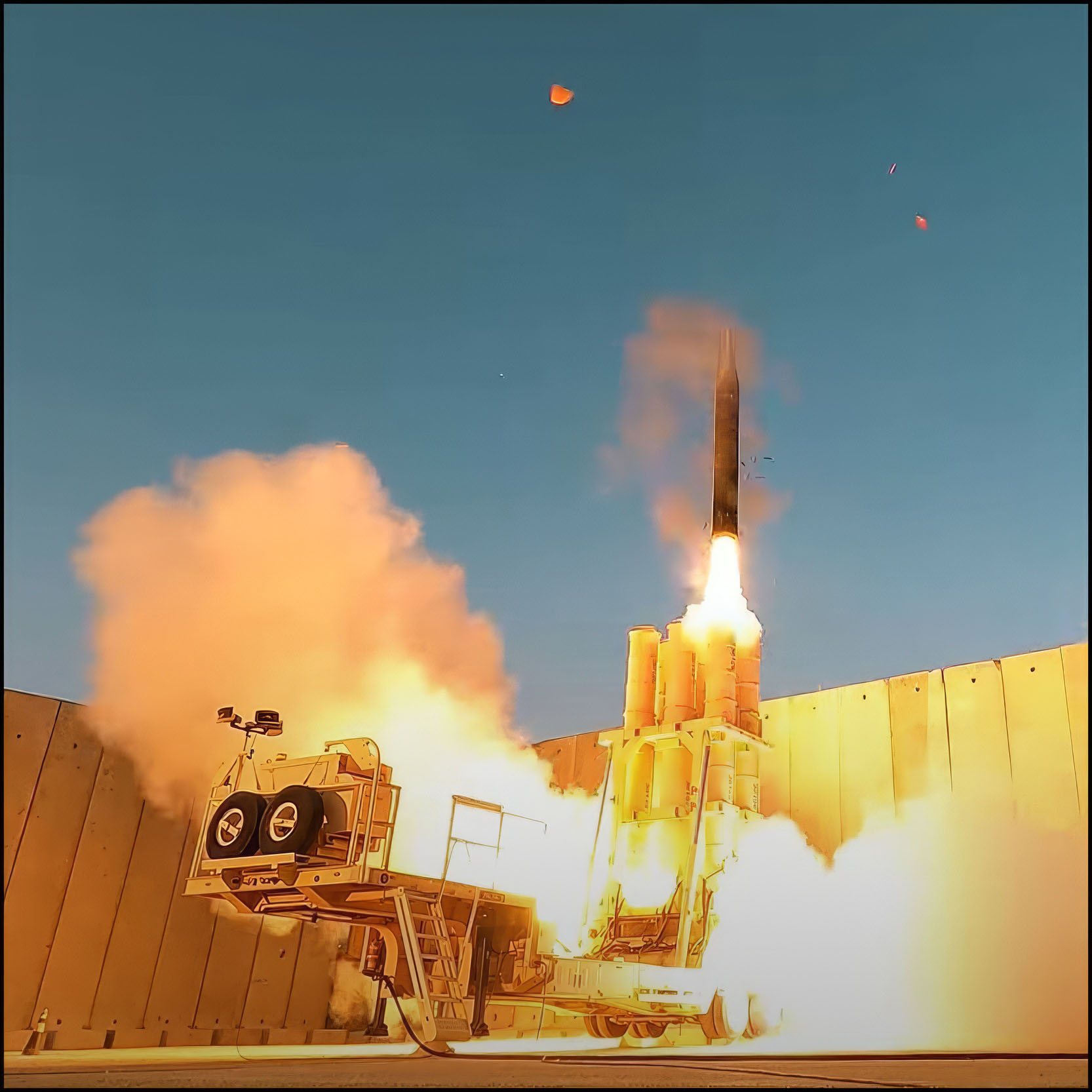
According to the Defense Post, the system, based on the Israeli Arrow 3 interceptor, is designed to counter long-range ballistic missiles during their exo-atmospheric phase, where engagement requires extremely high-altitude interceptors paired with sensitive radar and tracking architectures. Until now, Germany’s defensive posture relied on Patriot batteries for medium-range engagements and IRIS-T systems for short-range threats, leaving a vulnerability against higher-tier ballistic missiles.
The newly activated capability addresses that problem by enabling early warning, tracking, and high-altitude interception. The system’s interceptor missiles are engineered to strike targets at altitudes approaching 100 kms, well above the reach of conventional air-defense systems. The architecture includes long-range radar sensors, mobile launchers, and interceptor arrays that integrate into NATO’s broader command and control network.
The introduction of a long-range ballistic missile layer adds strategic depth; it allows earlier engagement opportunities, increases the defended footprint around critical infrastructure, and strengthens collective European protection at a time of heightened tensions. As part of the European Sky Shield Initiative, the system will contribute to multinational defensive coverage, complementing systems operated by 23 participating countries.
This also marks the first deployment of Arrow technology outside of Israel, following an agreement signed in 2023. Additional system components will be fielded across multiple German bases as integration progresses toward full operational readiness.
Beyond the operational milestone, the deployment underscores Europe’s push to build a more layered missile-defense architecture—one positioned to counter advanced threats rather than rely solely on Cold War–era systems. As long-range missile technology proliferates, nations are accelerating efforts to strengthen early warning and interception capabilities. Germany’s adoption of this system represents a significant shift in Europe’s defensive posture and a major addition to NATO’s collective deterrence framework.























