This post is also available in:
 עברית (Hebrew)
Locating submarines has always been one of the hardest challenges in maritime security. These vessels rely on stealth, operate across vast ocean areas, and can remain hidden for long periods. Traditionally, only large manned aircraft carrying specialist crews have been able to deploy the sensors and analysis tools needed to detect them. A recently unveiled long-endurance drone suggests that this task may not remain the exclusive domain of crewed platforms.
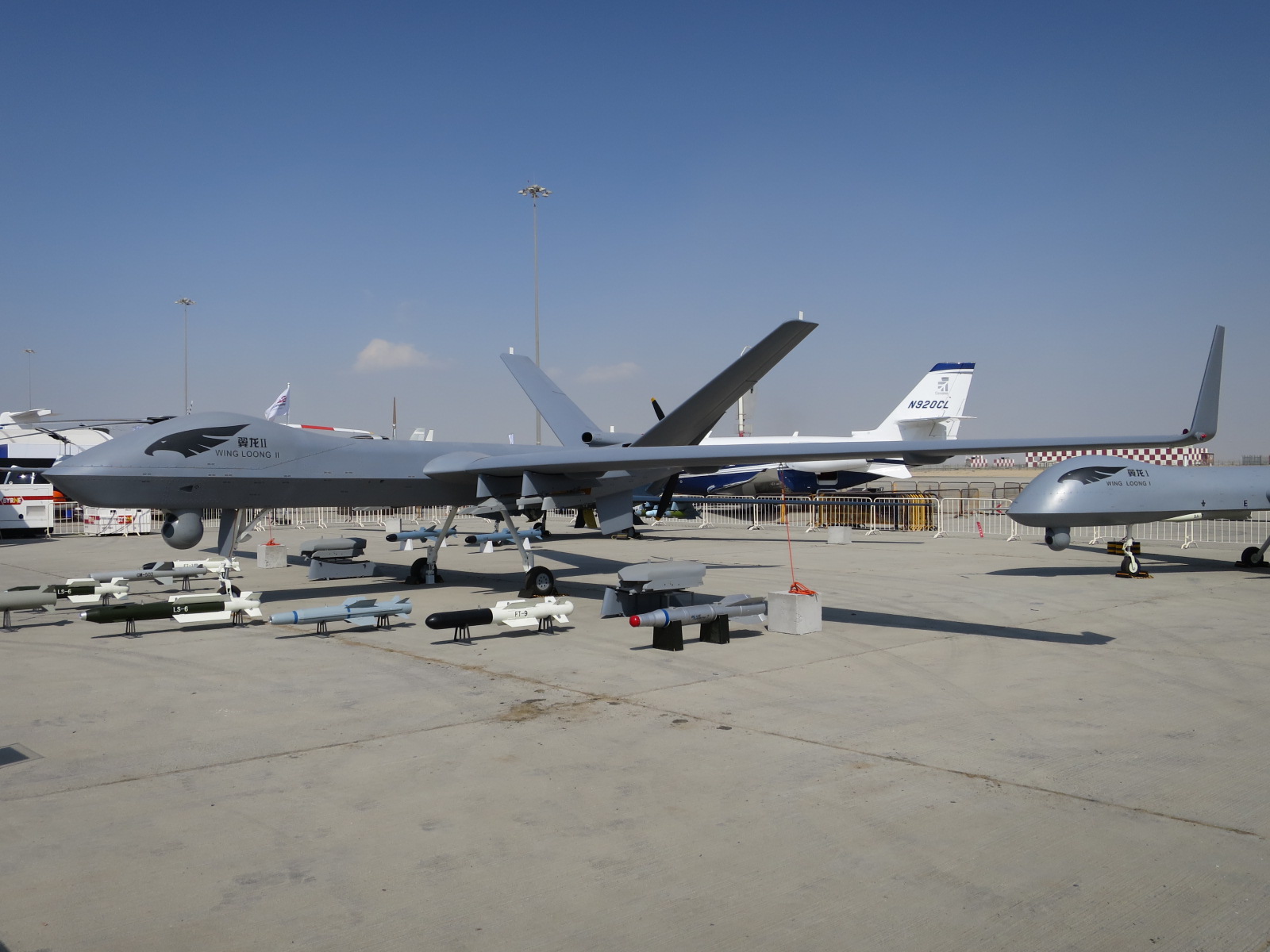
China has presented a new unmanned aerial vehicle designed specifically for independent anti-submarine warfare (ASW). The aircraft, reported to be comparable in size to a small business jet, pairs a wingspan of roughly 20 meters with an endurance of up to 40 hours. That combination allows it to maintain persistent coverage over narrow maritime chokepoints or patrol routes — the kind of missions that strain the limits of traditional aircraft due to crew fatigue, cost, and maintenance requirements.
What makes the system notable is its claimed ability to perform the full ASW cycle autonomously. According to available information, the drone can deploy sonobuoys, collect their acoustic data, run onboard AI-based analysis, and classify underwater contacts. It is also reported to be capable of carrying lightweight torpedoes, meaning it could theoretically conduct both detection and engagement without relying on a manned aircraft or ship to assess the threat.
According to Interesting Engineering, if such capabilities are validated, they would mark a significant shift. Persistent airborne surveillance is one of the most effective counters to submarine operations. A fleet of long-endurance UAVs able to maintain constant coverage would complicate the movements of any submarine entering monitored areas, including those operated by Western or allied navies. This kind of platform could also reduce reliance on expensive manned ASW aircraft, which require large crews and extensive upkeep.
The claims, however, have drawn skepticism. Anti-submarine warfare involves interpreting complex acoustic signatures that are often ambiguous, with false positives caused by marine life, commercial traffic, or environmental noise. Human operators spend years learning to differentiate these signals, and replicating that expertise with onboard AI remains a difficult technical challenge.
Whether the system is fully operational or still conceptual, its reveal highlights a broader trend: unmanned aircraft are expanding into roles once considered too complex for autonomy. As more nations explore long-endurance drones for maritime security, the balance between crewed and uncrewed ASW platforms is likely to shift in the coming years.