



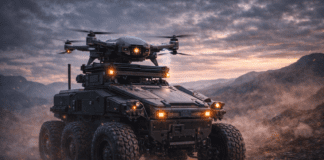
A Drone Riding a Robot? The New Twist in Battlefield Tech
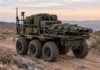
Unmanned systems are increasingly used across modern operations, but they often function separately. Ground robots provide mobility and access to difficult terrain, while aerial...
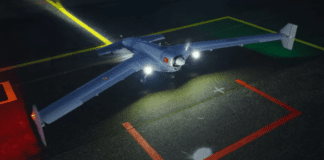
A Strike Drone That Can Fly Blind—and Still Hit Its Target
Loitering munitions have become a central feature of modern conflict, offering a relatively low-cost way to strike targets with precision. However, many existing systems...

Teaching Robots to Recover After Losing Their Position
For mobile robots operating in the real world, knowing their exact position is not optional. Autonomous navigation depends on continuous, accurate localization. Yet satellite-based...

Navigation Without Limits: A System Built for Tough Conditions
Operating in the Arctic presents a unique set of challenges for autonomous systems and military platforms. Extreme weather, limited infrastructure and inconsistent satellite coverage...

Bees Don’t Need GPS, So Is It Possible That Robots Might...
One of the biggest obstacles to deploying very small autonomous robots is navigation. As machines shrink, the hardware required to determine position and direction...

The “Silent Ears” That Can Hear Artillery Fire
On modern battlefields, artillery and mortar fire can strike within seconds of launch. Detecting the origin of gunfire quickly is critical for both force...

How Smarter Headgear Is Reducing Pilot Fatigue
As combat aircraft take on longer missions and pilots rely more heavily on helmet-mounted sensors and displays, the physical burden on aircrew has become...

Could Cyborg Pigeons Be the Next Surveillance Tool?
Small drones have become a common tool for surveillance, inspection, and reconnaissance, but they come with limits. Battery life restricts endurance, electric motors generate...
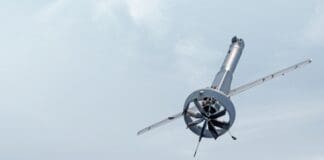
From Surveillance to Strike in One Compact Drone
Small units operating at the edge of the battlefield often face a familiar problem: they need precision strike capability, but traditional close air support...

This Weapon Blurs the Line Between Drone and Missile
Modern air defenses are forcing strike systems to evolve rapidly. Weapons that once relied on persistence and operator control are now expected to reach...
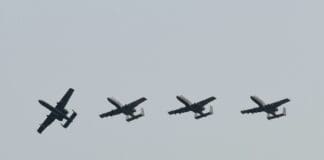
This Autonomous Aircraft Delivers Supplies in Mountains and Bad Weather
Supplying forces and communities in remote or high-altitude regions has always been a logistical challenge. Mountainous terrain, limited runways, harsh weather, and damaged infrastructure...

This “Unjammable” Navigation Tech Uses the Earth Itself
Modern military navigation depends heavily on satellite signals, a vulnerability that is becoming harder to ignore. GPS jamming, spoofing, and signal denial are now...

There’s More Than One Way to Control A Swarm of Drones
A growing need on the modern battlefield is to deploy vast numbers of low-cost, autonomous systems rather than relying on expensive, manned platforms. This...

Is It Possible To Control A Swarm of 200 Drones Single-Handedly?...
The effective coordination of numerous unmanned aerial vehicles presents a significant logistical and operational challenge. Traditional models, where a single operator controls one or...

A Silent Signal Designed to Save Pets in Smoke-Filled Buildings
Fires move fast, and in smoke-filled homes visibility drops to near zero within minutes. Firefighters entering these environments are trained to search for people...

A Firefighting Robot That Sees Through Smoke Using Radar
Firefighters face some of the most hostile operating conditions of any emergency service. Thick smoke blocks vision, heat degrades sensors, and GPS signals are...

Young Startups Drive Defense Innovation: An Unusually High Volume of Orders...
In recent years, the defense establishment has been facing a dual challenge. On the one hand, there is a growing need for fast, flexible...

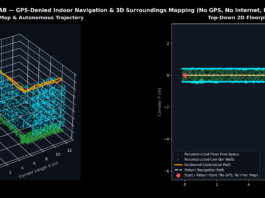
Why Future Autonomous Scouts Won’t Depend on GPS at All
Modern military operations increasingly take place in environments where GPS cannot be relied upon. Electronic jamming, urban terrain, dense foliage, and underground spaces can...

This New Robot Tech Keeps Troops Out of CBRN Danger
Chemical, biological, radiological, and nuclear hazards remain among the most dangerous threats soldiers can face. Detecting and responding to these risks is often slow,...

Why Future Battlefield Drones May Not Need GPS at All
Modern military drones rely heavily on satellite navigation to orient themselves, map terrain, and support ground forces. In environments where GPS or GNSS signals...

Timing Without Satellites: A New Tool for GPS-Denied Operations
Precise timing sits quietly at the heart of modern systems. Communications networks, military command chains, financial transactions, and power grids all rely on accurate...

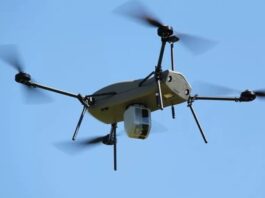
When GPS Goes Dark, This Drone Keeps Flying
Modern unmanned systems rely heavily on satellite navigation, but in many operational environments GPS has become a fragile resource. Adversaries now routinely jam or...
Latest

This New Interceptor Can Switch From Hovering to High-Speed Pursuit
Intercepting hostile drones requires aircraft that can launch quickly, maneuver efficiently and reach moving targets without placing excessive demands on their operators. Conventional multirotor...