






DARPA Uses Biology for Defense Purposes
Although the U.S. military has already deployed the power of biology and nature before, e.g. the Navy trains dolphins to detect underwater mines, the...

ISIS’ Chemical Weapons Chief Captured
US Special Forces captured Sleiman Daud al-Afari, the head of ISIS’ chemical weapons unit. Al-Afari worked for Saddam Hussein’s Military Industrialization Authority, specialising in...

U.S. Bioterrorism Detection Program Deemed Unreliable
DHS’s BioWatch program aims to provide early indication of an aerosolized biological weapon attack. Until April 2014, DHS pursued a next-generation autonomous detection technology...

DHS To Test Bioterror Airflow in New York Subway
The Department of Homeland Security (DHS) Science and Technology Directorate (S&T) will conduct a week-long airflow study, starting today, in portions of the New...

Nanotechnology Breakthrough will Sense Hazardous Chemical Traces
Scientists at the US National Institute of Standards and Technology (NIST) have developed a new device that will measure the motion of small particles...

New Remote Chemical and Biological Threats Detector
ChemImage Sensor Systems (CISS) develops innovative chemical imaging sensors that address the landscape of drugs, chemical, biological and explosive (CBE) threats. The company has...

Researchers Discover Process to Combat the Effects of Nerve Agents
Sarin is a colorless, odorless liquid fatal even at very low concentrations. Serious sarin poisoning causes visual disturbance, vomiting, breathing difficulties and, finally, death....

Cross-Border Biological Threat Screening – a Priority
The US has been promoting cross-border threat screening for biological agents. The Department of Homeland Security (DHS) Science and Technology Directorate (S&T) announced $35...

New Hacking Method Discovered – Biological Malware
In what appears to be the first successful hack of a software program using DNA, researchers explained that the biological malware they inserted into...
Defense Industry Struggling to Find Consistent Anti-Chemichal Method
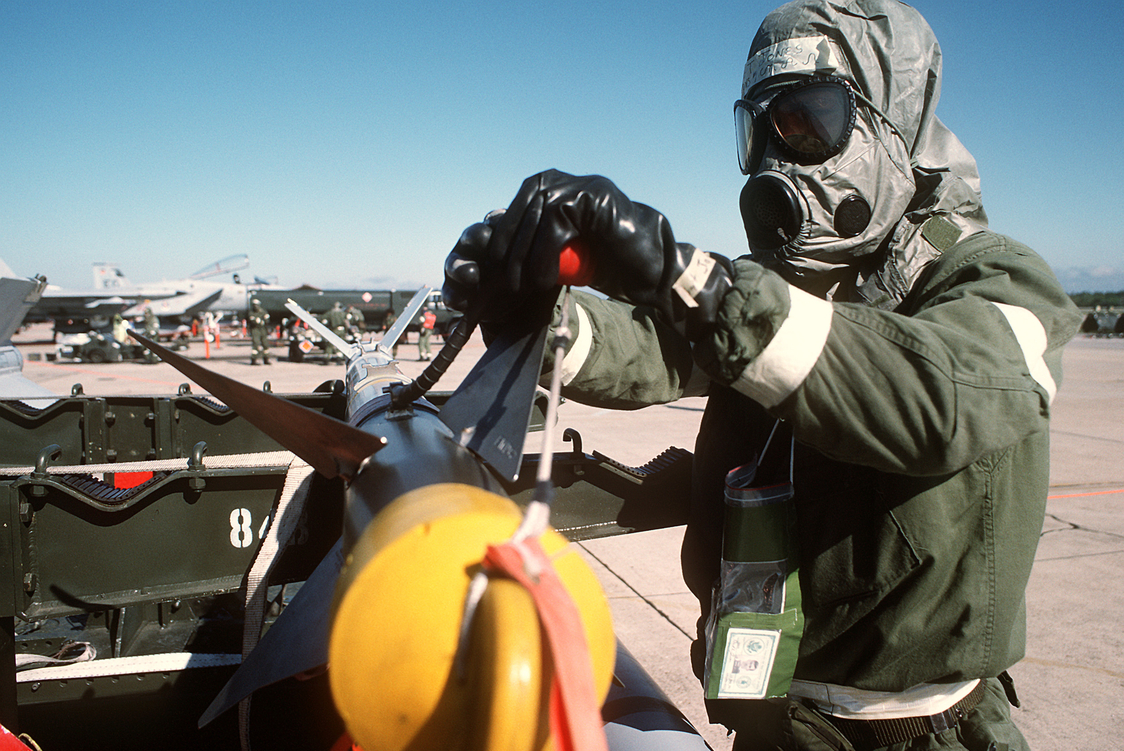
Battelle, a nonprofit research and development institute, recently said the key to preparing for the rapidly growing threat of biological or chemical weapons is...

How Does the Body Respond to Chemical/Biological Agents – Answers Soon
A new project models the human body’s response to chemical and bilogical agents. The U.S. Army Edgewood Chemical Biological Center (ECBC) is collaborating with...

New Player in The Sensor Tech Revolution
The American Institute for Manufacturing Integrated Photonics (AIM Photonics), a public-private partnership, recently announced a new Defense Department project. The AIM Photonics initiative will...

A Look Into The Future: Chemicel Scanners
Researchers from US Army Edgewood Chemical Biological Center (ECBC) tested a quadcopter dubbed Deep Purple during the SK Challenge at Utah's Dugway Proving Ground,...

Unmanned Tank to Operate in Areas with Nuclear Radiation
Unmanned vehicles can be a life-saving solution for operations in areas attacked by unconventional weapons. The Indian Defense Research and Development Organisation (DRDO) has...
Creative Anti-Chemical Weapon in Development
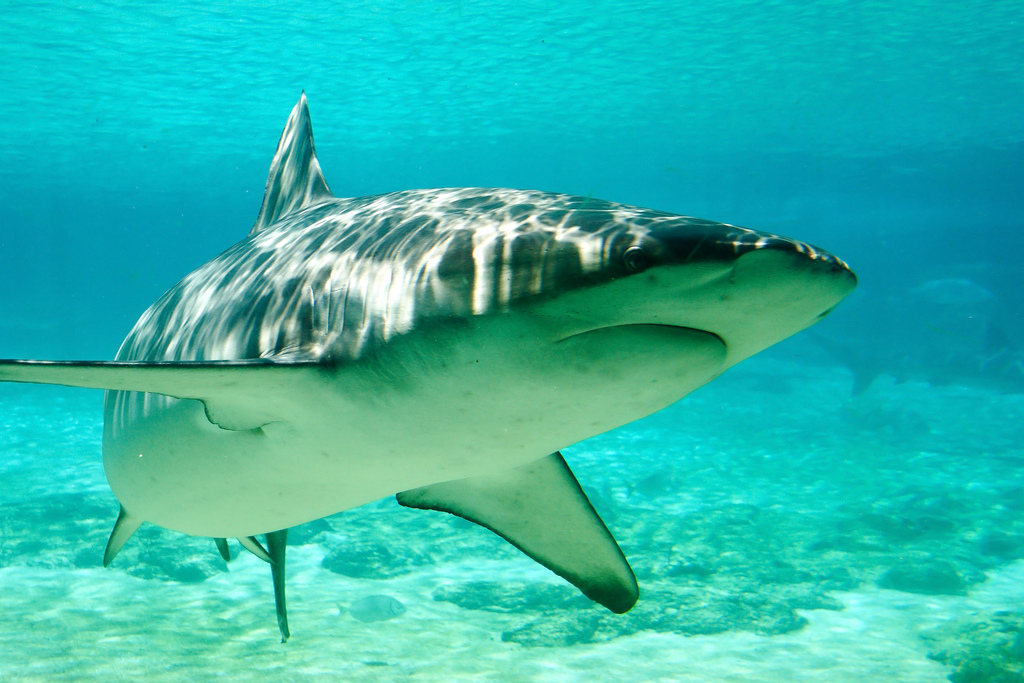
The Syrian civil war has brought chemical weapons back to the center stage in terms of international arsenals and defense methods. The U.S. military...
First-of-Its-Kind Wearable Chemical Sensor
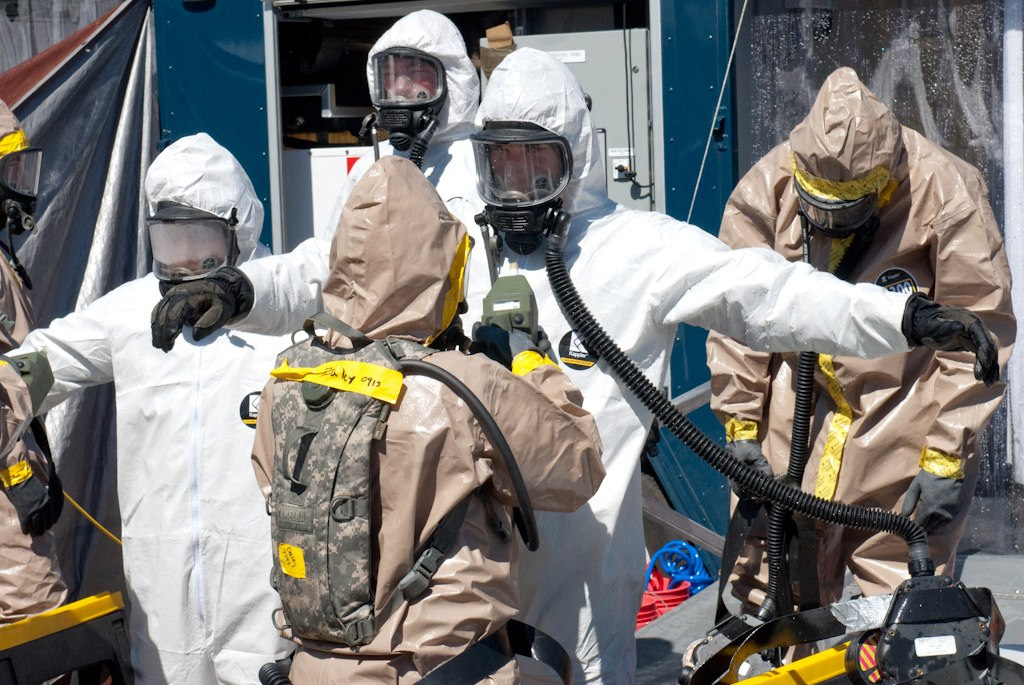
Wearable electronics will be a $34 billion industry by 2020, according to analyst firm CCS Insight. Wearable sensors are capable of tracking processes in...

Chemical Terror Attack During Tokyo Sports Events Not Ruled Out
Tokyo Police conducted an anti-terror drill at a sports arena in central Tokyo based on a scenario of terrorists launching a chemical attack during...
Technologies to Uncover Emerging Biothreats Sought
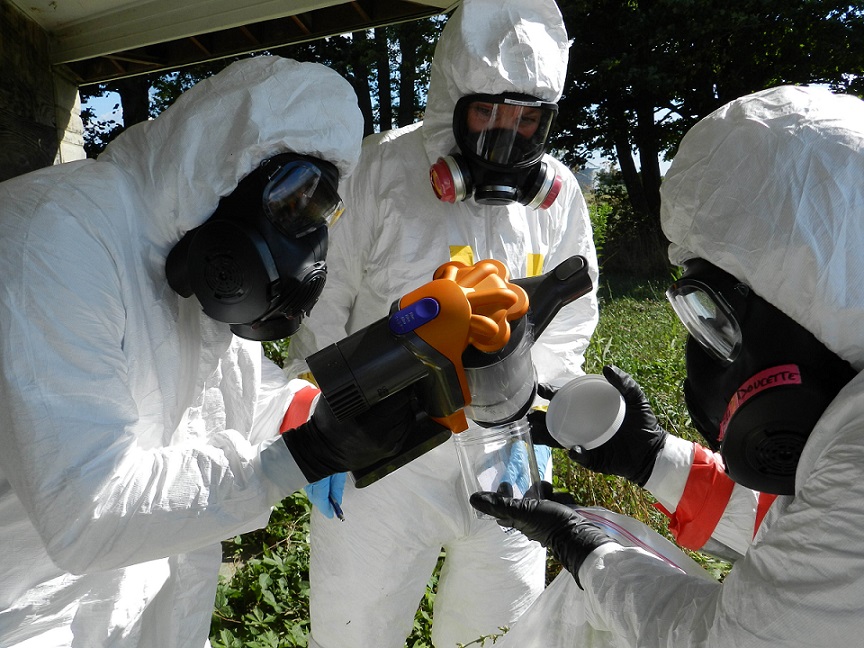
The U.S. Department of Homeland Security (DHS) Science and Technology Directorate (S&T) has recently launched the Hidden Signals Challenge, a $300,000 prize competition seeking...

Biological Solutions to Security Threats
Synthetic biology could offer solutions to security threats. A new effort is aimed at creating organic capabilities and infrastructure for the use of synthetic...

Plant-Based Sensors to Collect Intelligence
The US Department of Defense evaluates that the military’s traditional intelligence sensors are not always optimal for the tasks that have become more and...

Why is Biological Warfare Risk on Increase?
Emerging technologies could facilitate the production and use of biological weapons. Advances in 3D printing, artificial intelligence and robotics could increase the possibilities for...
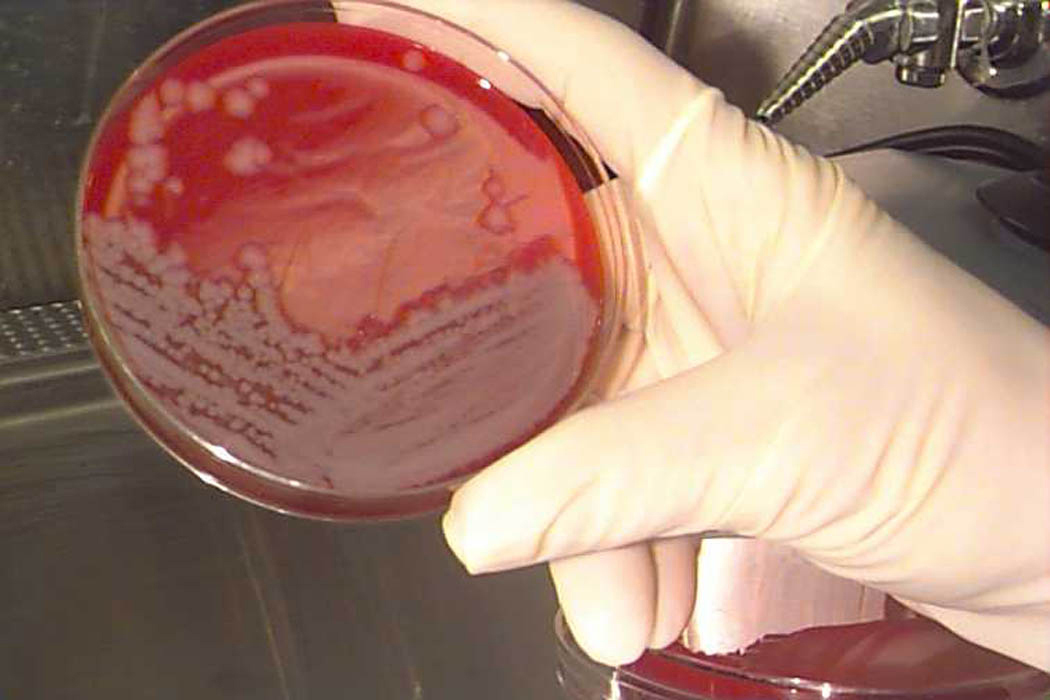
Unprecedented Terrorist Threat on European Soil?
Armed jihadis plotted or carried out more attacks in Europe last year than in 2016, with a total of 33 attacks either planned or...
Latest

This Rifle Upgrade Times Every Shot to Help Hit Fast-Moving Drones
Small drones have become a difficult target for infantry. They can approach quickly, change direction and present a much smaller target than a conventional...




















