This post is also available in:
 עברית (Hebrew)
As the number of drones on the battlefield continues to grow, so does the challenge of operating them efficiently. While a single operator once controlled a single drone, today’s military forces are required to manage dozens of platforms simultaneously, carrying out missions ranging from intelligence collection and strike operations to electronic warfare and deception. The challenge is no longer the drone itself, but the system capable of coordinating them all, assigning tasks in real time, and linking sensors with strike assets.
Against this backdrop, Israel’s Ministry of Defense has selected two Israeli companies—Kela and EYESATOP—to develop the autonomous command-and-control system for the IDF’s “Digital Bat” attack drone swarm program. The two companies will provide the software layer that enables the entire swarm to be managed and operated after winning a competitive tender that included other industry participants.
The two companies bring complementary capabilities to the project. Kela will provide the platform’s open architecture, which is a modular software infrastructure capable of ingesting information from multiple military and civilian sources, processing it in real time, and presenting it through a unified command interface. The advantage of this approach is that new drones, sensors, or capabilities can be integrated in the future without replacing the core system.
EYESATOP will supply the operational command-and-control layer. Its platform enables a single operator to control multiple drones simultaneously, monitor their status in real time, and dynamically assign missions as the tactical situation evolves. It also supports sensor-to-shooter operations, reducing the time between target detection and engagement by automatically transferring information from sensors to attacking drones.
According to the company, the platform has already accumulated more than 500,000 operational flight hours during IDF activities, reflecting extensive operational experience in managing drones under combat conditions.
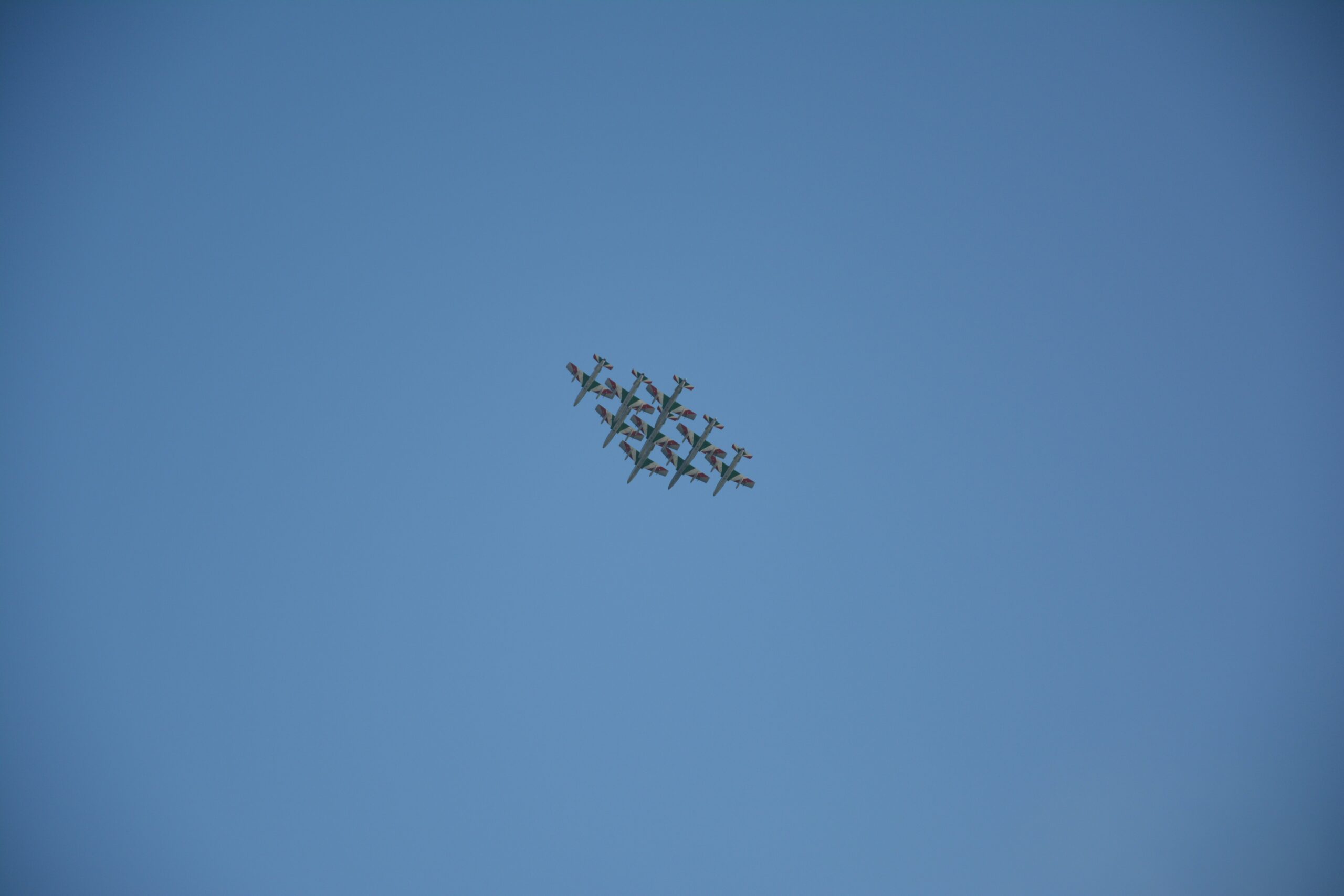
From a defense perspective, the project reflects a broader shift in military operations. Rather than relying on individual drones, armed forces are increasingly moving toward autonomous swarm formations, where multiple platforms operate simultaneously while continuously sharing information. Open, modular command-and-control systems make it possible to rapidly integrate new platforms and adapt capabilities to evolving threats without redesigning the entire operational environment. As drone swarms become an increasingly important component of the modern battlefield, the software layer that coordinates and manages them is likely to become just as critical as the drones themselves.