This post is also available in:
 עברית (Hebrew)
Modern battlefields are becoming increasingly complex, with multiple targets, fast-changing conditions, and the need for rapid decision-making. Traditional drone operations, where each platform is controlled individually, can struggle to keep pace with this tempo. Coordinating reconnaissance, targeting, and strike actions often requires multiple systems and operators, creating delays between detection and engagement.
A new approach is emerging (Atlas drone swarm) that integrates these steps into a single, continuous process. Recent demonstrations of a large-scale drone swarm system showed how reconnaissance, decision-making, and strike execution can be combined into one operational chain. Instead of treating drones as separate assets, the system operates them as a coordinated network.
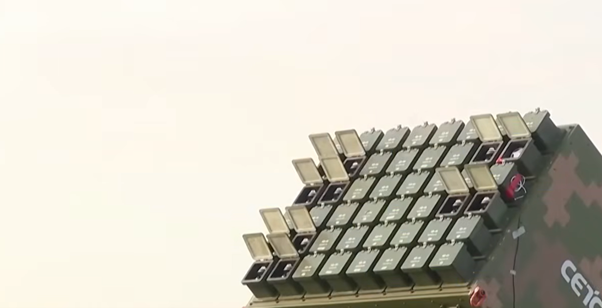
At the core of the concept is a ground-based launch and control platform capable of managing dozens of drones simultaneously. In the demonstration, drones were deployed in rapid succession, approximately one every three seconds, forming a layered swarm. Different types of drones were assigned distinct roles, including reconnaissance, electronic support, and strike functions.
According to Interesting Engineering, the system is designed to identify targets, prioritize them, and execute engagement with minimal delay. Once a target is detected, drones can be tasked dynamically, with roles adjusted in real time based on mission requirements. This allows the swarm to adapt to changing conditions, rather than following a fixed plan.
A key feature is scalability. A single command unit can coordinate large formations, with each drone contributing to a broader mission objective. Payload flexibility also plays a role, as drones can carry sensors, communication relays, or munitions, enabling multi-layered operations within the same swarm.
From a technical perspective, the emphasis is on software integration. Embedded algorithms support functions such as target recognition, route planning, and task allocation. This reduces the burden on human operators, allowing one user to oversee complex operations that would previously require larger teams.
From a defense standpoint, this reflects a shift toward networked and autonomous warfare. Swarm systems can saturate defenses, conduct coordinated strikes, and extend operational reach while distributing risk across multiple platforms. At the same time, their reliance on software and communication links highlights the growing importance of electronic warfare and counter-drone capabilities.
As these systems continue to evolve, the focus is likely to move further toward autonomy, scalability, and integration- reshaping how aerial operations are conducted.