This post is also available in:
 עברית (Hebrew)
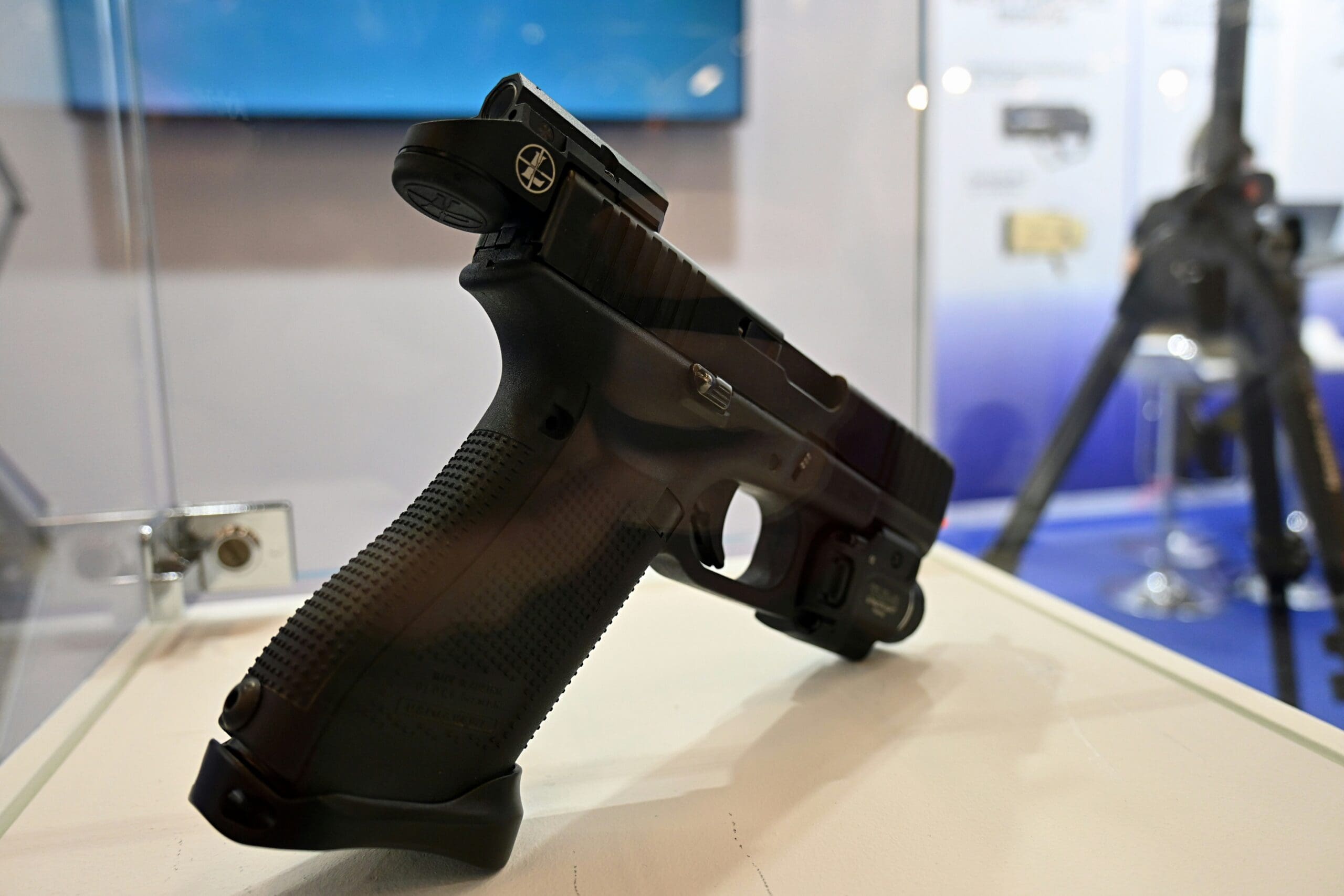
The rise of 3D-printed firearms has created a growing challenge for law enforcement. Blueprints for these weapons are widely available online, and with a relatively affordable 3D printer, individuals can manufacture unlicensed gun components at home. Because they lack serial numbers and traditional manufacturing marks, such weapons have earned the nickname “ghost guns”, suggesting they are effectively untraceable.
However, a new study found that the plastic filaments used to print these firearms can carry distinct chemical signatures — potentially allowing investigators to link a seized weapon to a specific material source.
According to TechXplore, most home 3D printers use thermoplastic filaments such as polylactic acid (PLA), acrylonitrile butadiene styrene (ABS), or PETG. While these materials may appear identical visually, their chemical composition often includes additives designed to enhance flexibility, strength or appearance. These additional ingredients are typically not disclosed on product packaging, as filament formulations are often proprietary.
Researchers analyzed more than 60 filaments sourced from the retail market and examined them using infrared spectroscopy, a technique that measures how materials absorb infrared light. Each filament produced a characteristic infrared profile based on its molecular composition. As expected, major polymer types such as PLA, ABS and PETG were clearly distinguishable. More notably, the team was able to differentiate some filaments made from the same base polymer due to subtle variations in additives.
In one case, the presence of a compatibiliser — an additive that helps different polymers blend — suggested a more complex formulation than indicated on the label. Such differences could serve as chemical markers.
For law enforcement and forensic laboratories, this approach offers a potential new investigative tool. If a seized firearm and a batch of filament share the same chemical profile, it may be possible to establish a link. Similarly, matching profiles across multiple cases could point to shared supply sources.
While not all filaments could be uniquely identified using this method alone, researchers are continuing to explore complementary analytical techniques to build more detailed chemical fingerprints. For homeland security and policing agencies confronting the spread of 3D-printed weapons, the findings suggest that “untraceable” may not mean undetectable after all.
The research was published here.