

This post is also available in:
 עברית (Hebrew)
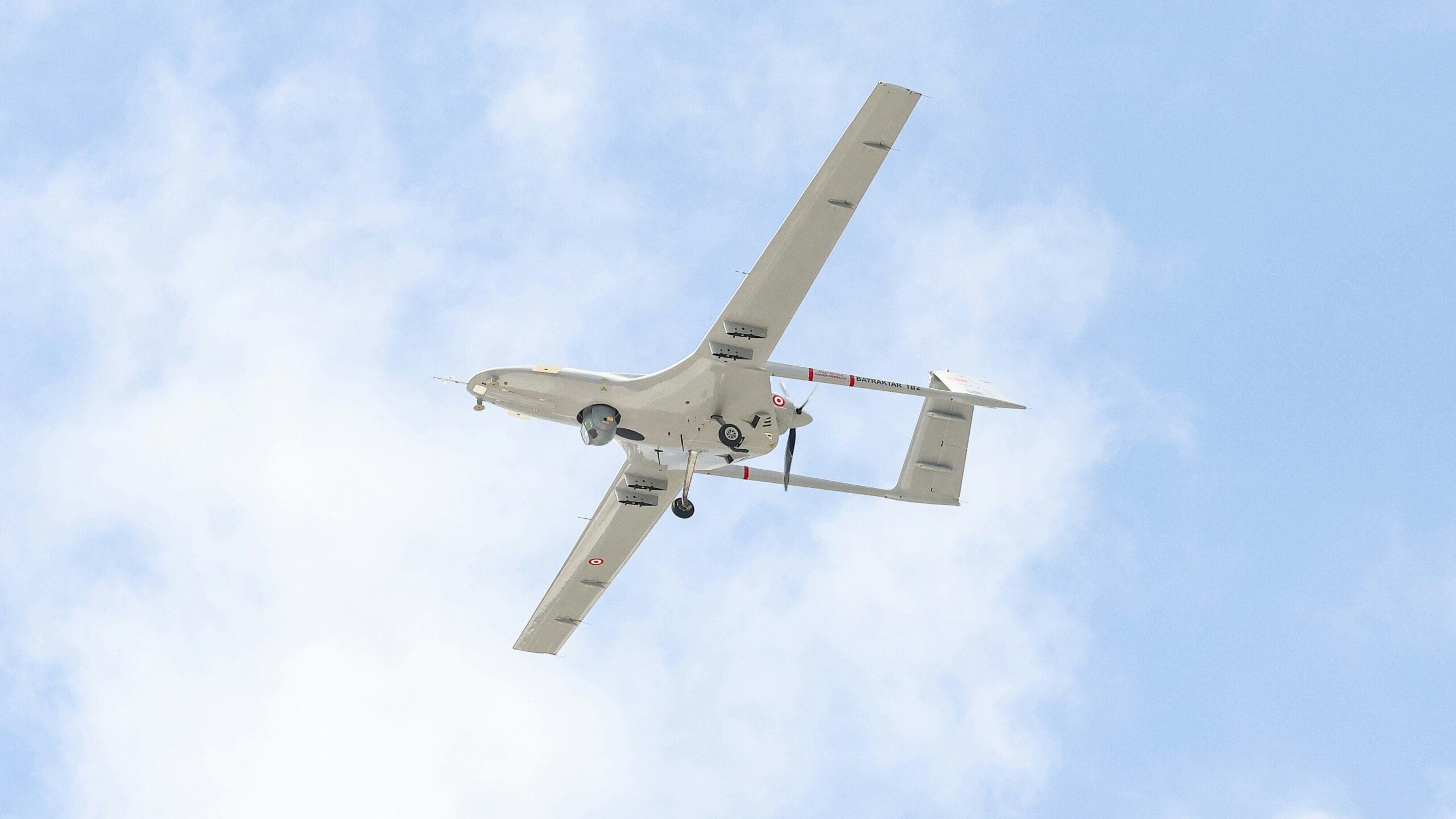
Unmanned aerial systems are now used for missions ranging from emergency response and infrastructure inspection to logistics and environmental monitoring. In parallel, they have become standard tools in military and homeland security operations. But as drones grow more autonomous and data-driven, they are also becoming attractive cyber targets.
Modern platforms function as flying computers: they collect data through multiple sensors, process information onboard and maintain constant communication with operators or cloud-based control systems. Many still rely on relatively basic communication architectures, sometimes lacking robust encryption. This creates openings for attackers to intercept data, inject false commands, disrupt signals or even interfere with flight controls — with potential physical consequences.
Researchers at the University of Adelaide have developed a new onboard cybersecurity architecture intended to reduce those risks. The system is built around Software-Defined Wide Area Networking (SD-WAN), a technology that manages multiple communication links simultaneously. Instead of depending on a single connection, the drone can use several channels — such as cellular networks, Wi-Fi or other radio links — and automatically shift traffic if one pathway is compromised or disrupted.
In addition to dynamic link management, the platform integrates a next-generation firewall that operates directly on the drone. According to TechXplore, this onboard security layer continuously monitors inbound and outbound data flows, blocks suspicious traffic and enforces authorization policies without relying solely on ground-based infrastructure.
Another key component is malware sandboxing, a technique more commonly associated with enterprise IT networks. Suspicious files or processes are isolated in a controlled environment where they can be analyzed safely. If malicious behavior is detected, the system can prevent it from affecting flight systems or communications.
The architecture has been demonstrated on a drone platform using real onboard computing hardware connected to cloud-based control systems. Further real-time trials are planned.
For defense and security users, resilient communications and onboard cyber protection are increasingly critical. Drones deployed in contested or sensitive environments must maintain operational integrity even under attempted signal jamming or cyber intrusion. By embedding security functions directly into the aircraft, the new system reflects a broader shift toward treating unmanned platforms not only as aerial assets, but as networked systems requiring robust cyber defense.
The research was published here.























