This post is also available in:
 עברית (Hebrew)
Modern militaries are fielding an increasingly diverse range of unmanned systems, from interceptor missiles and one-way attack drones to robotic ground vehicles. While these platforms continue to evolve, they often require different types of warheads tailored to specific missions, increasing manufacturing complexity, logistics requirements and costs. A growing focus in the defense industry is finding ways to standardize payloads without sacrificing operational flexibility.
BAE Systems has introduced a new family of modular warheads intended to address that challenge. Called BlackThorn, the system combines multiple effects—including blast, fragmentation and anti-armor capability—into a single adaptable design that can be integrated across a wide variety of weapon platforms.
Rather than developing a different payload for every application, it is built around a modular architecture that can be configured for different operational requirements. The family includes three variants: a 40 mm version for lightweight systems, a 70 mm model for tactical multi-role missions and a 120 mm version designed to deliver greater terminal effects.
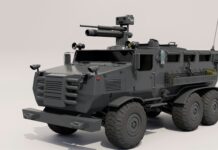
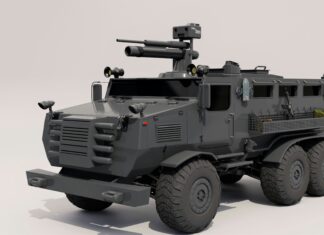
The modular approach also allows the same warhead family to be integrated into different delivery systems. According to the company, it is compatible with one-way attack platforms, counter-drone interceptors, missiles and unmanned ground vehicles. Using a common payload architecture could simplify logistics by reducing the number of warhead types that operators need to procure, maintain and integrate.
Development of the system relied heavily on digital engineering techniques. Engineers used computer modeling and simulation to evaluate the design before conducting physical testing to validate performance. This approach can shorten development cycles by identifying potential issues earlier in the design process and reducing the number of physical prototypes required.
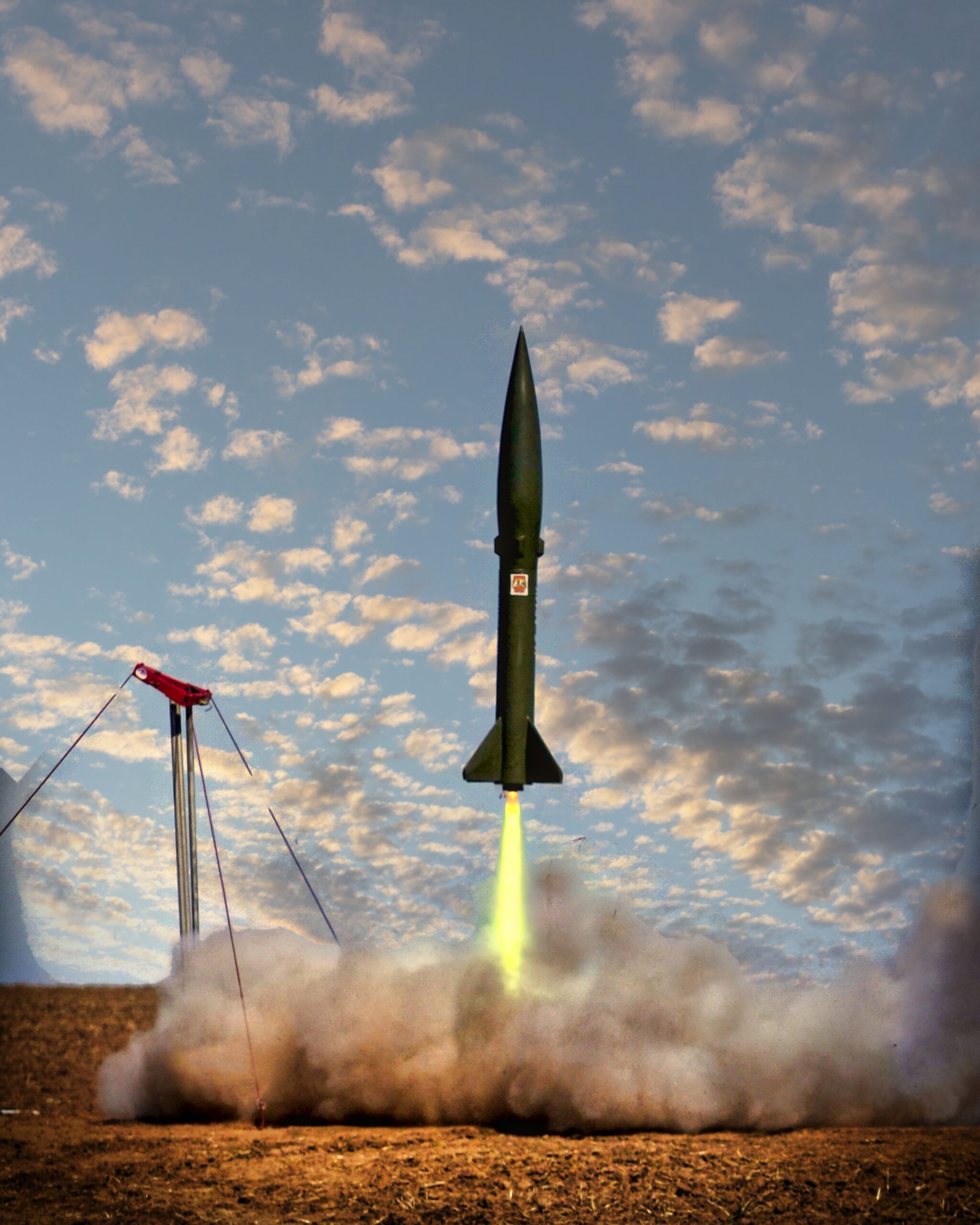
According to NextGenDefense, the first announced integration partner is Frankenburg Technologies, which plans to equip its Mark I short-range air defense missile with the warhead. The companies say the combination is intended to support lower-cost, scalable interceptor production, reflecting the growing demand for affordable air-defense systems capable of being manufactured in large quantities.
The technology reflects a broader shift in defense toward modular munitions that can serve multiple roles instead of being optimized for only one platform. As autonomous systems become more common, a flexible payload architecture can simplify integration across new vehicles while reducing development time for future weapon programs.
For defense forces, this could translate into faster fielding of new capabilities, more efficient supply chains and greater adaptability as operational requirements change. Rather than redesigning a warhead every time a new drone, missile or robotic platform is introduced, manufacturers can focus on integrating a common payload across multiple systems. As battlefield technologies continue to diversify, modular designs like this may become an increasingly important way to balance capability, production speed and cost.