

This post is also available in:
 עברית (Hebrew)
Modern air-defense systems are forcing combat aircraft to engage targets from ever greater distances. Flying too close to heavily defended areas increases the risk from surface-to-air missiles and integrated radar networks, making long-range precision weapons a key requirement for both crewed and uncrewed combat aircraft.
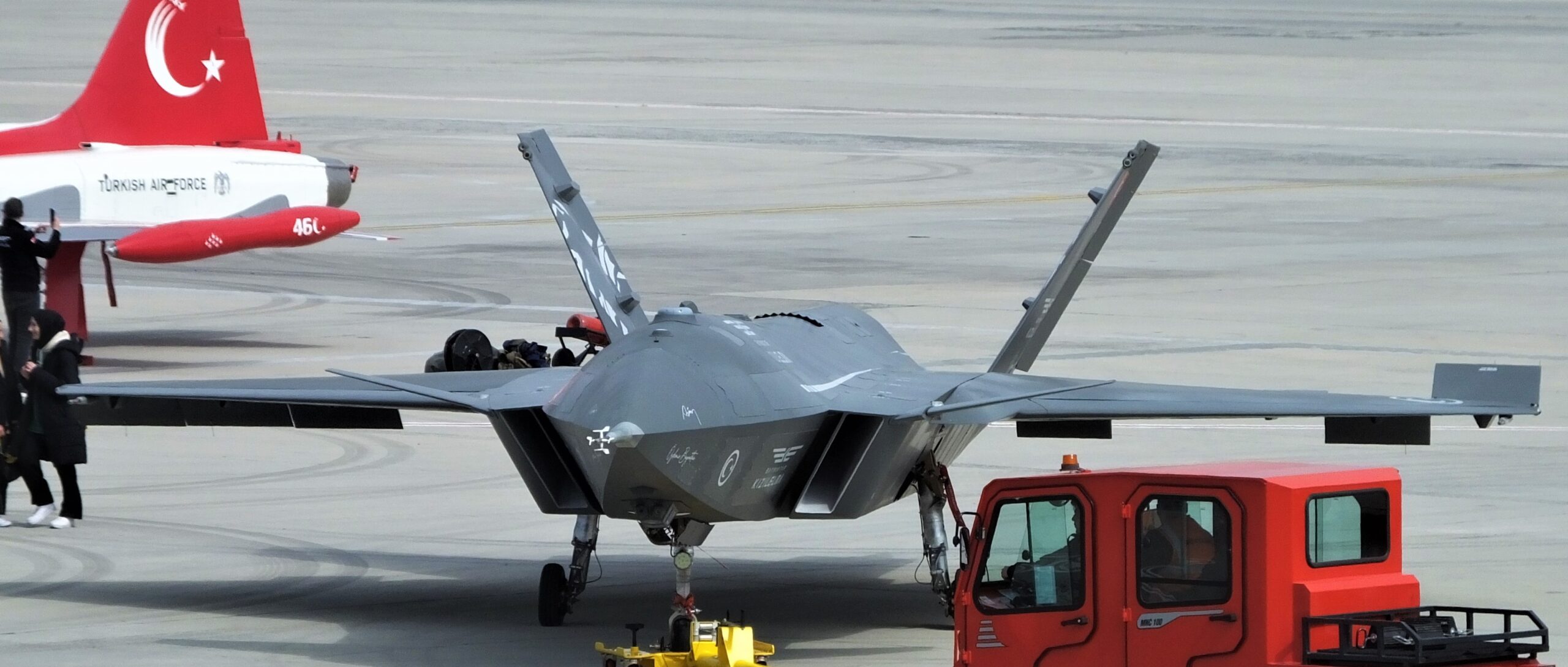
A recent live-fire test demonstrated how unmanned fighters are evolving to meet that challenge. The Bayraktar KIZILELMA unmanned combat aircraft successfully launched the JET-230 supersonic air-to-surface missile during its first live-fire trial, striking a designated maritime target from a stand-off distance of more than 120 kilometers.
The test was carried out after the aircraft took off carrying two JET-230 missiles beneath its wings. After reaching the designated launch area over the Black Sea, the aircraft fired one missile, which successfully hit its target. The trial marks the first successful integration of the missiles with the unmanned fighter and expands the platform’s range of precision-strike capabilities.
Developed as a supersonic air-to-surface missile, the missile is intended to engage both land and maritime targets while allowing the launch platform to remain outside many hostile air-defense envelopes. According to Interesting Engineering, its high speed shortens the target’s reaction time after launch, while the long stand-off range enables the aircraft to attack without entering the most heavily defended areas.
The successful firing is part of a broader weapons integration program for the aircraft. It has previously demonstrated compatibility with several precision-guided munitions, including GÖKDOĞAN beyond-visual-range air-to-air missiles as well as TOLUN, TEBER-82, KGK and LGK-82 guided weapons. Together, these integrations are expanding the aircraft from a strike platform into a multirole unmanned fighter capable of both air-to-air and air-to-ground missions.
Unlike many conventional unmanned combat aerial vehicles that primarily conduct surveillance or ground attack missions, the aircraft is being designed to perform missions traditionally assigned to fighter aircraft. These include long-range precision strikes, suppression of enemy air defenses (SEAD) and engagements against airborne threats, while also operating alongside crewed fighters or independently.
The aircraft has already completed several notable flight demonstrations. Previous tests included a beyond-visual-range air-to-air engagement against a jet-powered aerial target and an autonomous close-formation flight involving two unmanned fighters using swarm autonomy algorithms.
The latest missile firing reflects a broader trend in military aviation toward combining advanced unmanned aircraft with increasingly capable stand-off weapons. As autonomous combat aircraft continue to mature, pairing them with long-range precision missiles could allow air forces to strike high-value targets while reducing the exposure of both pilots and expensive crewed aircraft to modern air-defense systems.























