

This post is also available in:
 עברית (Hebrew)
Modern military aircraft are becoming increasingly complex, but maintenance processes often remain labor-intensive and time-consuming. Diagnosing faults, training technicians, and performing repairs on advanced airborne platforms can take days or even weeks, reducing aircraft availability and increasing operational costs. As fleets age and mission demands grow, maintaining readiness has become almost as important as developing new capabilities.
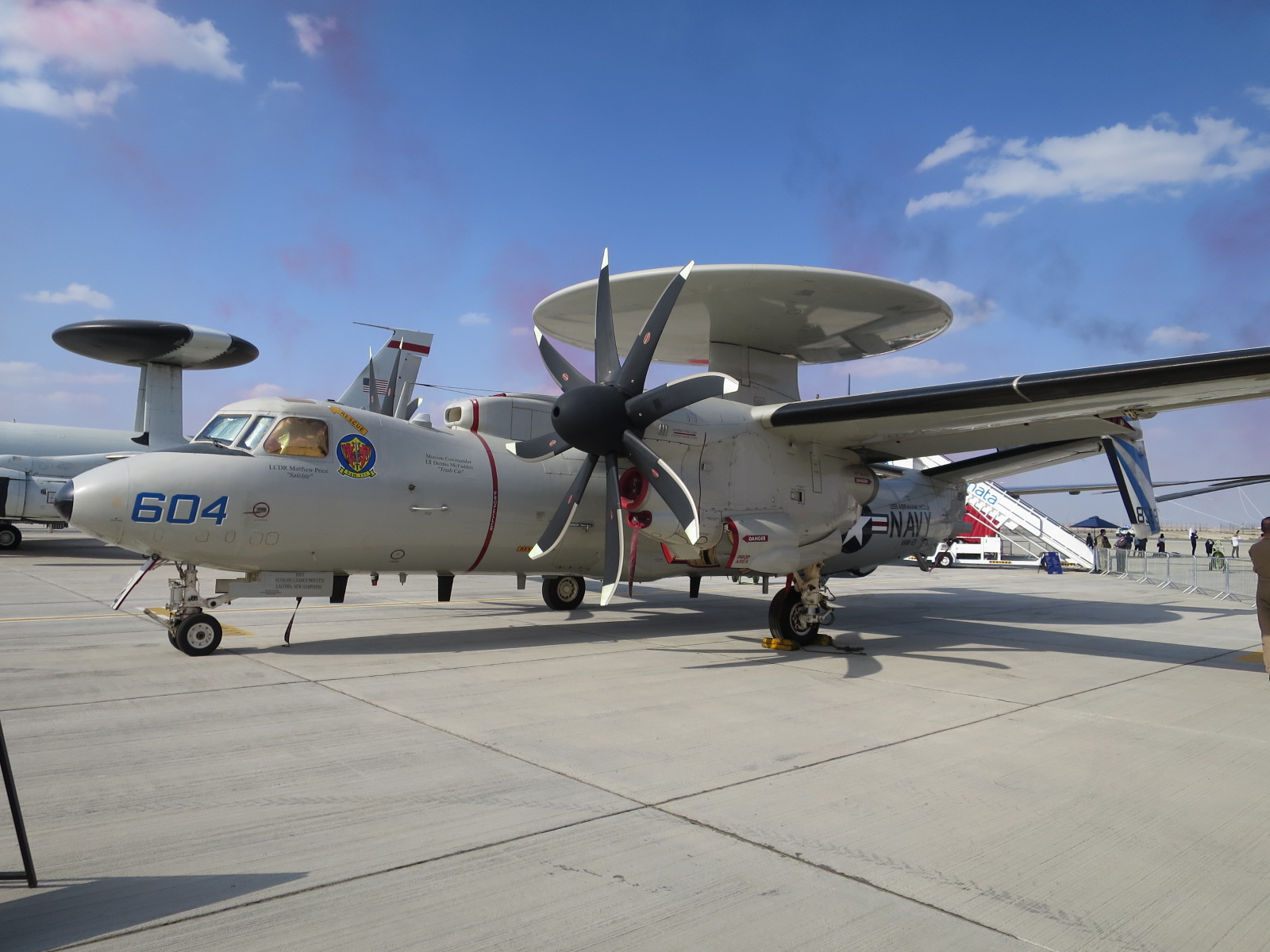
A new modernization effort (of the E-2D Hawkeye) is applying augmented reality, virtual reality, artificial intelligence, and machine learning to streamline maintenance and training for one of the military’s primary airborne early-warning platforms. Rather than focusing on upgrades to sensors or radar systems, the initiative targets the support ecosystem that keeps aircraft operational.
One of the core technologies is an augmented reality maintenance system that overlays digital instructions directly onto aircraft components. Using tablets or AR headsets, technicians can see animated step-by-step repair procedures aligned with the physical hardware in front of them. According to NextGenDefense, the system effectively creates a digital “x-ray” view of the aircraft, helping maintainers locate components, understand procedures, and reduce the time required to perform complex tasks.
Training is also being moved into virtual environments. A dedicated VR platform allows personnel to interact with detailed digital replicas of aircraft systems inside a fully immersive 360-degree simulation. This is particularly useful for components that are difficult to access physically or expensive to replicate for training purposes. Technicians can practice procedures repeatedly before working on operational aircraft.
Artificial intelligence plays a role through a machine-learning platform designed to analyze maintenance records and identify the root causes of recurring faults. Rather than simply recording failures, the system searches for patterns across maintenance data to help technicians diagnose issues faster. According to the developer (Northrop Grumman), the technology has significantly reduced maintenance rework associated with radar pressurization and cooling systems.
From a defense perspective, these technologies directly affect operational readiness. Airborne early-warning aircraft serve as flying command-and-control nodes capable of detecting aircraft, missiles, and surface targets while coordinating forces across large areas. Returning these platforms to service faster can have a significant impact on fleet availability and mission effectiveness.
The broader trend reflects how digital technologies are increasingly applied not only to combat operations but also to maintenance, training, and sustainment, areas that often determine how quickly advanced systems can return to the field.























