This post is also available in:
 עברית (Hebrew)
Modern ground forces are under increasing pressure to operate with less exposure while maintaining mobility and firepower. Carrying heavy equipment, securing movement routes, and responding to sudden threats all place a burden on soldiers, especially in environments where drones, sensors, and precision weapons are constantly present.
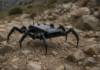
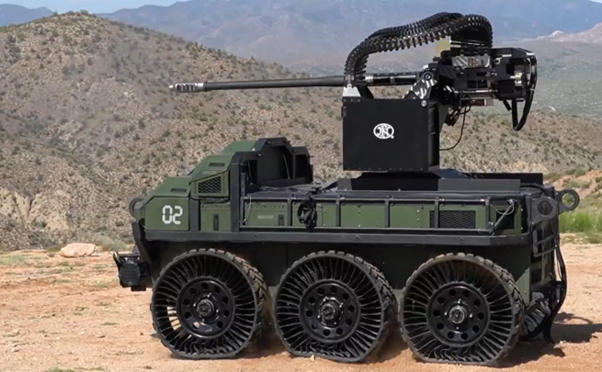
A new unmanned ground platform, called Hunter Wolf, is being tested to address these challenges by combining logistics support with battlefield awareness and protection. Instead of operating separately, the system is designed to move alongside troops, carrying supplies while also contributing to security tasks in real time.
According to Interesting Engineering, the platform functions as a multipurpose vehicle capable of transporting essential gear such as ammunition, batteries, and communications equipment. At the same time, it integrates sensing and engagement capabilities. Equipped with radar, it can scan the surrounding environment, detect potential threats, and support situational awareness without requiring soldiers to move into exposed positions.
In some configurations, the system also includes a remotely operated weapon station. This allows operators to respond to threats from a distance, extending defensive coverage while keeping personnel under protection. The combination of sensing and response tools turns the vehicle from a support asset into an active participant in operations.
A key aspect of the system is how it is being tested. Rather than isolated demonstrations, it is being integrated into full-scale training exercises that simulate real combat conditions. This allows units to evaluate how the platform performs under pressure, how it fits into existing workflows, and how it affects decision-making in the field.
From a defense perspective, this reflects a broader shift toward manned-unmanned teaming. As operations become more distributed, smaller units need tools that extend their reach without increasing risk. Unmanned ground systems can help sustain those units, monitor their surroundings, and provide additional response options when needed.
The concept also supports a more flexible force structure. By offloading weight and adding sensing capabilities, such platforms can help maintain operational tempo while reducing fatigue and exposure.
As testing continues, systems like this are likely to play an increasing role in how ground forces balance mobility, protection, and effectiveness in complex environments.