This post is also available in:
 עברית (Hebrew)
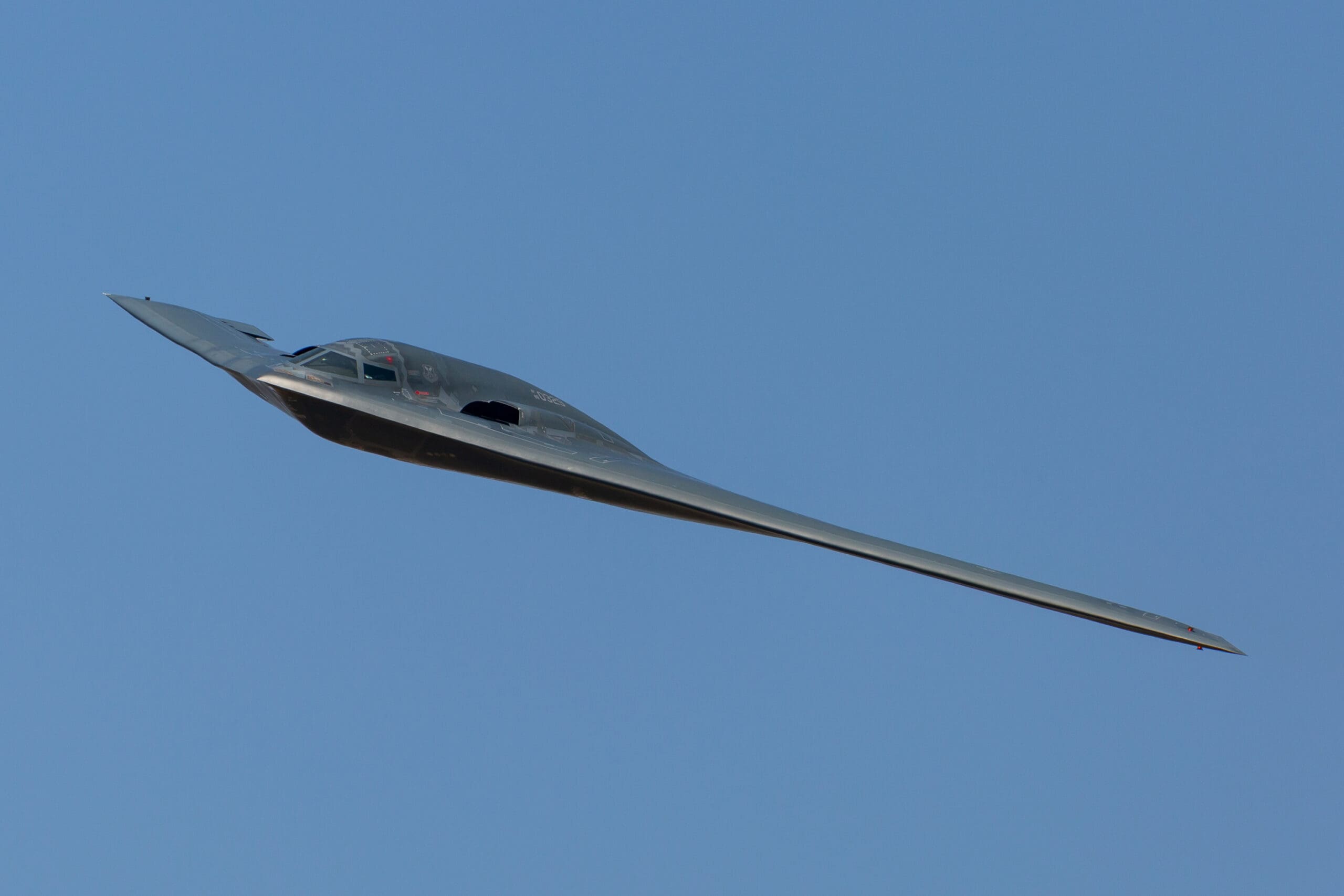
Modern military operations rely heavily on stealth and operational secrecy. Advanced aircraft such as the B-2 Spirit bomber are designed to avoid radar detection and limit the amount of information adversaries can collect about their movements. However, as warfare becomes increasingly data-driven, analysts are exploring new ways to detect activity indirectly by analyzing large volumes of open-source and signal data.
A Chinese defense technology firm claims that its AI-powered monitoring platform was able to identify early signs of U.S. military mobilization weeks before recent hostilities began in the Middle East. According to the company, its system — known as Jingqi — detected patterns in radio transmissions and other data sources linked to the stealth bomber operations during the opening phase of the campaign.
According to Interesting Engineering, the platform combines several intelligence streams, including satellite imagery, aviation trajectory data and publicly available military records. By processing these datasets together, the system attempts to identify patterns such as reconnaissance flights, transport aircraft movements and changes in aircraft deployments at military bases.
According to the company, its analysis began well before the start of the strikes. Using open-source intelligence, the system reportedly observed a gradual increase in U.S. military activity in the region during February. The monitoring platform also identified a broader buildup earlier in the year, which the company described as one of the largest deployments in the region in decades.
The firm said that on March 1st, 2026, its system intercepted radio transmissions associated with four of the bombers operating under the call signs Petro 41 through Petro 44. These aircraft were part of the opening phase of a major campaign targeting Iranian assets. The monitoring platform allegedly used those signals to reconstruct the bombers’ flight path as they returned from the operation.
The case highlights a broader shift in military intelligence. Rather than relying solely on classified sensors, analysts are increasingly using artificial intelligence to correlate open-source information with signals data and satellite imagery. Such systems can identify trends and anomalies that might otherwise remain hidden within large datasets.
For defense planners, this development reflects a growing competition in data-driven intelligence. As AI systems become more capable of interpreting diverse information streams, early-warning platforms that analyze global activity patterns may play a larger role in monitoring military movements and anticipating potential conflicts.