This post is also available in:
 עברית (Hebrew)
Cluster munitions are designed to expand the impact of a single strike by spreading dozens or even hundreds of smaller explosives over a wide area. Unlike conventional warheads that concentrate their destructive force at one point, these weapons disperse submunitions across large zones, increasing the likelihood of casualties and damage. Their widespread effects and the danger posed by unexploded remnants have made them one of the most controversial types of conventional weapons.
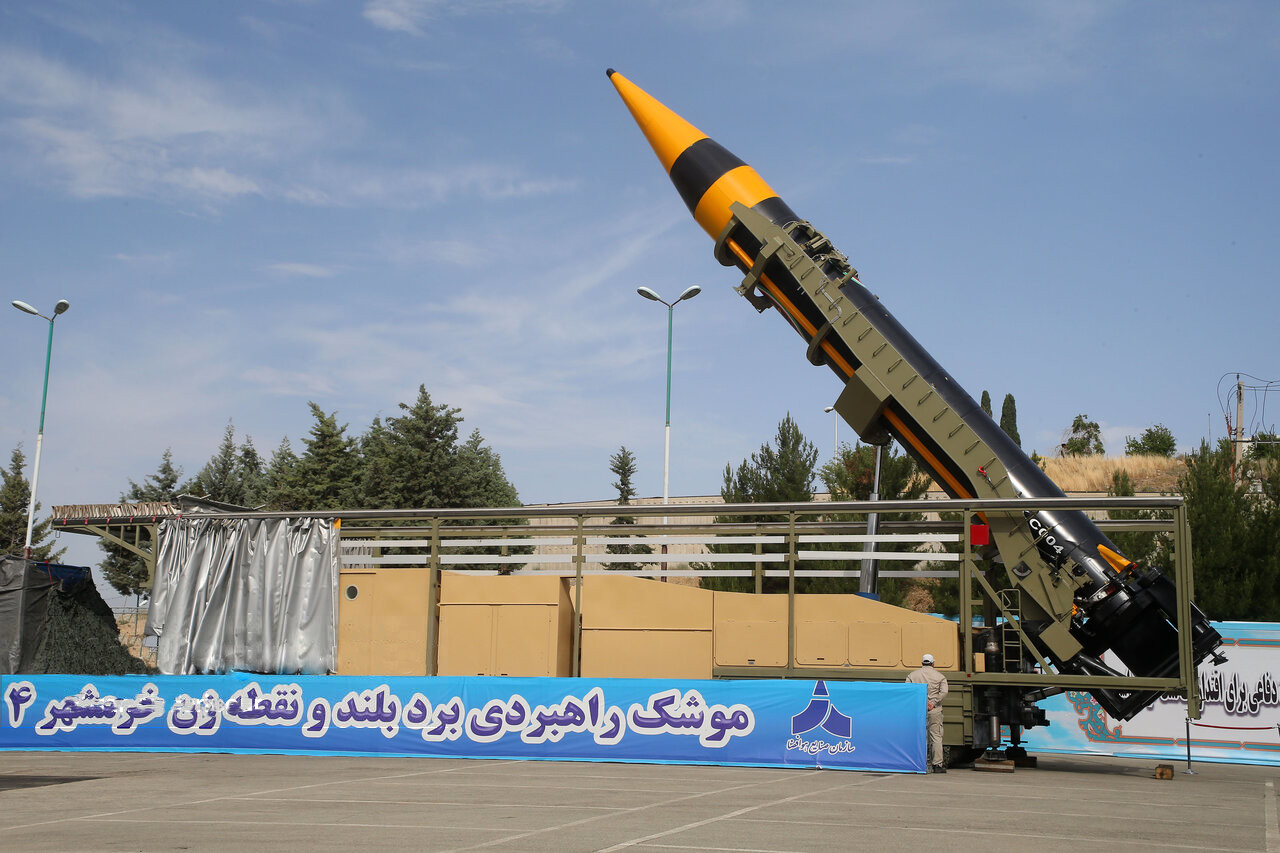
Some ballistic missiles reportedly carry cluster-style warheads instead of a single explosive payload. In such systems, the missile releases multiple smaller bomblets at high altitude. A mechanical dispersal mechanism spreads them across the target area while simultaneously arming each submunition.
This dispersal typically occurs several kilometers above the ground. Once released, the bomblets fall over a wide area, sometimes aided by parachutes or similar devices that slow their descent. The approach can complicate defensive interception because missile defense systems are generally designed to destroy the main missile rather than numerous small explosives scattered in midair.
Cluster submunitions are built for different purposes depending on the intended target. Some are designed primarily to harm personnel and contain explosive material combined with metal fragments that spread shrapnel during detonation. Others use shaped charges capable of penetrating armored vehicles. Certain versions are intended to damage infrastructure such as runways or electrical networks, while incendiary variants carry flammable materials designed to ignite fires across large areas.
Some ballistic missiles also carry so-called split warheads, which release several explosive units during their descent. Unlike traditional cluster munitions designed to scatter many small bomblets, these systems typically divide the payload into a smaller number of larger warheads that spread across the target area. The technology increases the chances of multiple impacts from a single missile and can complicate interception, as air defense systems must deal with several incoming objects rather than a single reentry vehicle.
However, one of the most serious risks associated with cluster weapons is that not all submunitions explode as intended. Unexploded bomblets can remain on the ground long after a strike, posing a threat to civilians and emergency responders. Some variants include delayed detonation mechanisms or pressure triggers, effectively turning them into improvised landmine-like hazards scattered from the air.
Cluster warheads also present a technical challenge. Once the submunitions separate from the missile, they become difficult to track or intercept individually, complicating air and missile defense strategies.
Because of their wide dispersal and long-term danger to civilians, cluster munitions are banned under an international convention adopted by more than 100 countries. However, several military powers have not joined the treaty, and the weapons remain part of some arsenals, such as Iran’s, in the ongoing war against Israel and the US.