This post is also available in:
 עברית (Hebrew)
Palmer Luckey’s defense-tech company, Anduril, is in the midst of a multi-billion-dollar funding round that could bring in as much as $8 billion, targeting a staggering $60 billion valuation. If successful, this move would double the company’s previous valuation and cement its status as one of the most valuable private defense firms globally, signaling a massive investor bet on its vision to reshape the defense industry.
The startup specializes in developing advanced defense technology powered by artificial intelligence and autonomous systems. According to TechCrunch, this new funding initiative comes less than a year after the company closed its Series G round in June with $2.5 billion at a $30 billion valuation.
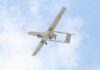
The company’s core mission is to modernize military capabilities for the United States and its allies. Its product portfolio includes a range of software-defined systems, such as the Fury, a multi-mission Group 5 autonomous air vehicle (AAV). By focusing on AI and robotics, the startup aims to deliver cutting-edge technology that can be rapidly deployed and updated, providing a significant tactical advantage over adversaries and challenging the slower development cycles of traditional defense contractors.
The timing of this funding round is particularly noteworthy, as it comes at a complex moment for the relationship between technology firms and the U.S. government. A recent contract dispute between the Pentagon and AI company Anthropic has created friction. In this climate, the company has consistently positioned itself as a dedicated and reliable government partner. Its founder has vocally supported the government’s stance, emphasizing in public statements that national security and sovereign interests should take precedence over corporate power.
A successful fundraise of this magnitude would represent a powerful endorsement of the startup’s technology and strategic direction. The capital is expected to fuel further research and development, scale up manufacturing capabilities, and accelerate its expansion into new markets. This would not only solidify the company’s role as a dominant force in the defense-tech sector but also position it to compete directly with the largest and most established defense giants for major government contracts.