This post is also available in:
 עברית (Hebrew)
Aircraft availability in forward areas often comes down to one limiting factor: fuel. In expeditionary environments, helicopters and transport aircraft are frequently forced to shut down, refuel, restart, and undergo checks before returning to the mission. For platforms supporting time-sensitive operations, those delays can stretch into an hour or more, slowing response times and tying up scarce ground assets.
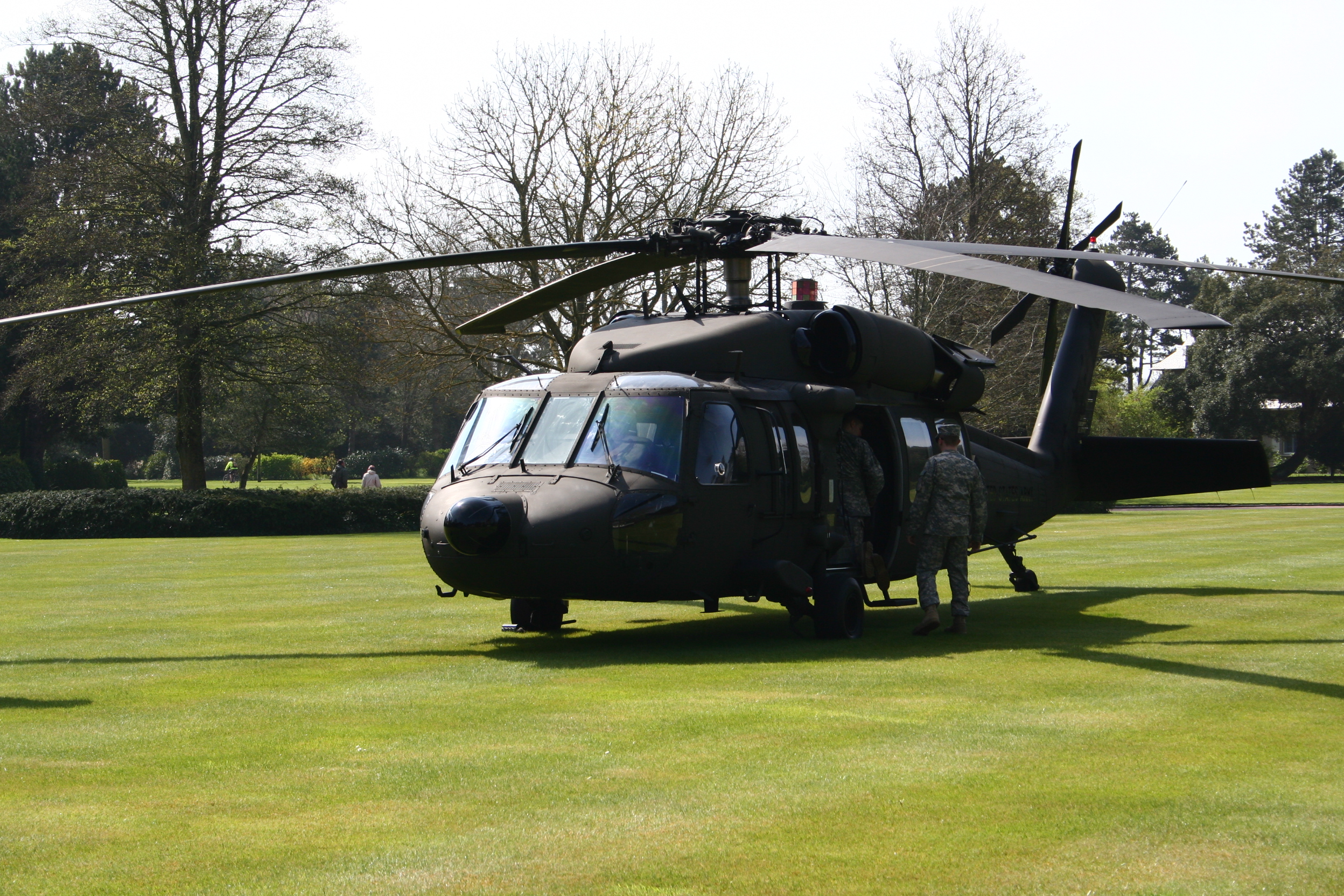
A recent test by the U.S. Air Force highlights a different approach. For the first time, an expeditionary refueling system known as the R-20 was used to conduct a hot-pit refuel of a UH-60 Black Hawk helicopter, allowing the aircraft to remain running while taking on fuel. The operation was carried out on a flightline within the U.S. Central Command area and demonstrated a sharp reduction in time spent on the ground.
According to Interesting Engineering, unlike traditional cold refueling, which can take up to 75 minutes once shutdown procedures and safety checks are included, the hot-pit process using the R-20 cut ground time by roughly two-thirds. Fuel was delivered directly from a bulk fuel bladder into the helicopter, eliminating the need for a standard R-11 fuel truck. This not only sped up the process but also freed up refueling vehicles for other aircraft across the base.
The system’s design addresses another common bottleneck: capacity. While an R-11 truck carries about 22,700 liters of fuel, the R-20 connects to bulk bladders holding more than 75,700 liters. Each hose can pump fuel at rates of up to 1,700 liters per minute, with dual-hose configurations reaching 3,400 liters per minute. This allows multiple aircraft to be refueled in parallel without cycling trucks back and forth.
From a defense perspective, the implications are significant. Such helicopters are often tasked with medical evacuation, resupply, and rapid troop movement. In contested or remote areas, every minute on the ground increases vulnerability and delays support to forces in contact. A refueling system that shortens turnaround time while reducing reliance on vehicle convoys directly improves operational resilience.
The test also reflects a broader shift toward expeditionary logistics built around flexibility rather than fixed infrastructure. Bulk fuel bladders paired with high-throughput refueling systems can be deployed quickly and scaled to match mission tempo, supporting sustained operations without expanding the footprint on the ground.
While the demonstration focused on a single helicopter type, the concept applies broadly across rotary-wing and fixed-wing aircraft operating forward. As militaries plan for distributed operations and rapid response, systems like this show how logistics innovations can have an outsized impact on mission readiness and tempo.