

This post is also available in:
 עברית (Hebrew)
Drones today are limited by a simple constraint: batteries. No matter how advanced the airframe or onboard sensors are, endurance remains capped by how long a drone can stay aloft before it must return for recharging or refueling. This limitation creates gaps in surveillance, drives up operational costs, and forces militaries and security agencies to field larger fleets just to maintain persistent coverage. A new laser-powered wireless charging system now under development in the U.S. aims to remove that constraint entirely.
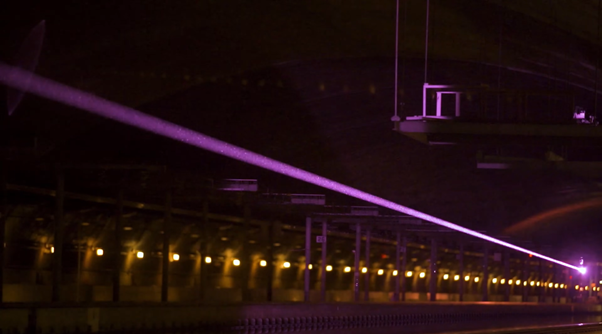
The concept relies on transmitting energy through a high-power laser beam to a drone equipped with a specialized photovoltaic receiver. Instead of relying on sunlight or swap-and-go batteries, the drone converts the laser’s light directly into electrical power mid-flight. If the beam remains uninterrupted, the aircraft can fly indefinitely, only landing for maintenance rather than refueling.
According to NextGenDefense, to make that possible, the system focuses on refining the receiver side. Meaning, designing lightweight, efficient converters that can turn laser light into usable energy without overheating. The laser itself is controlled by a multilayer safety mechanism that shuts down instantly if an object enters the beam path. Once the obstruction clears, the system automatically resumes power transmission, with the drone relying on its onboard battery for the brief interruption.
For defense and homeland security operators, the implications are significant. Persistent intelligence, surveillance, and reconnaissance (ISR) missions often require multiple drones rotating in and out of the air. Power beaming could allow a single platform to remain on-station for hours or days, reducing logistical demands and enabling continuous monitoring of borders, bases, and critical infrastructure. It may also allow drones to carry heavier payloads, since they would no longer need to reserve weight and space for larger batteries.
Environmental conditions still pose limitations. The system requires strict line-of-sight, and heavy fog, dust, or rain can reduce efficiency. Relay optics can bend or redirect beams, but weather and terrain remain operational challenges.
Looking ahead, researchers are exploring how the same approach might work across greater distances, including beaming power between satellites or supplying energy to remote or inaccessible locations. Though still in prototype stages, the technology indicates a shift toward unmanned aircraft that spend more time flying missions and far less time waiting on chargers or landing pads.























