

This post is also available in:
 עברית (Hebrew)
Modern naval forces face a difficult equation at sea. Warships are expected to operate closer to contested coastlines, where radar clutter, civilian traffic, and layered air defenses reduce the effectiveness of traditional sensors and weapons. At the same time, smaller vessels and mobile coastal units need a way to threaten larger surface combatants without exposing themselves to counterfire. This has driven demand for missiles that emphasize discretion, precision, and flexibility rather than sheer size or speed.
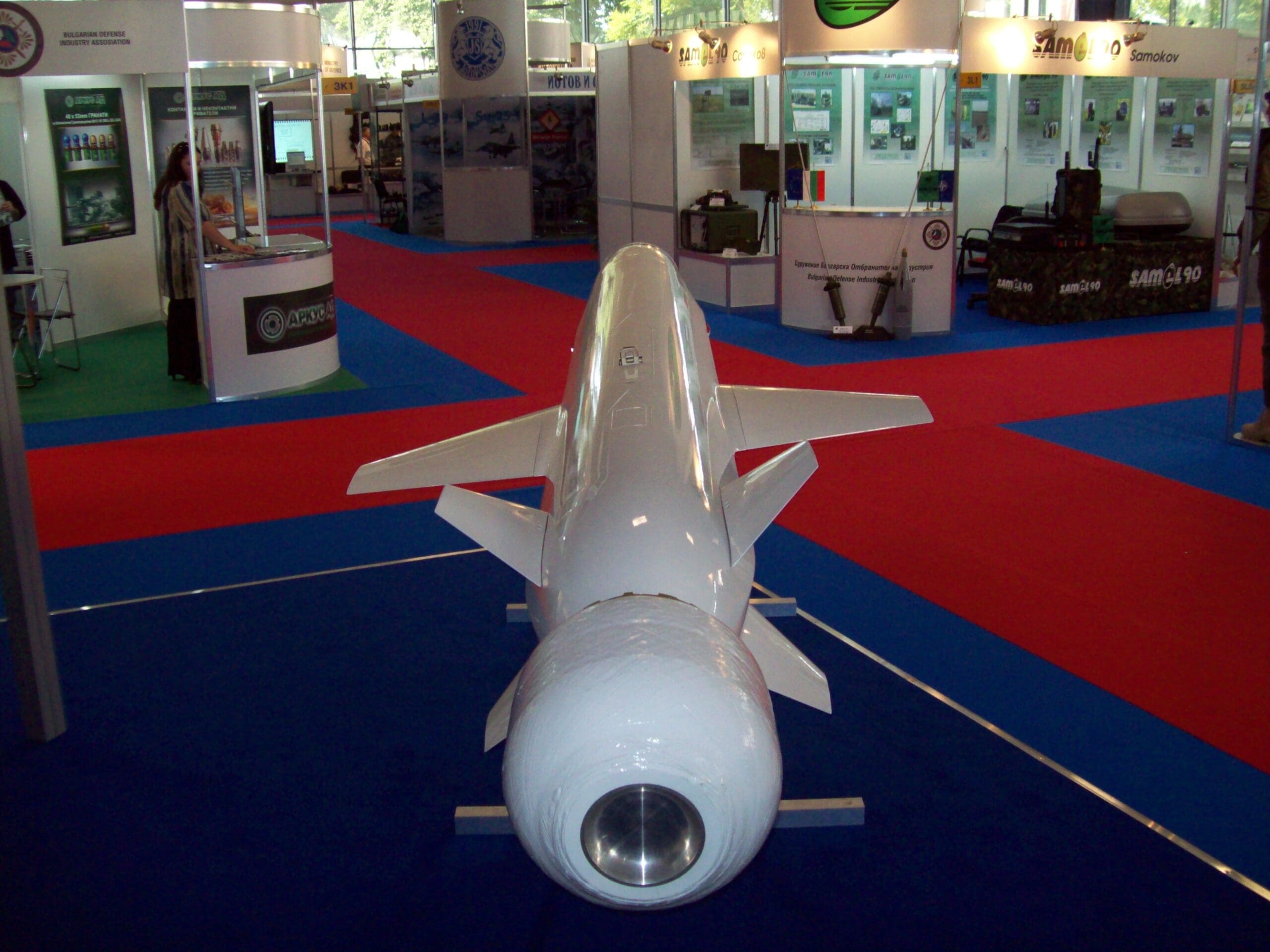
The Naval Strike Missile (NSM) was designed around that challenge. Instead of relying on active radar guidance, the missile uses a passive imaging infrared seeker to identify and track targets based on their shape and thermal signature. This approach allows it to operate effectively in complex littoral environments and makes it far harder to jam or mislead with electronic countermeasures. Once launched, the missile flies a low, sea-skimming profile, staying close to the water to reduce detection before executing evasive maneuvers during its terminal phase.
With a range exceeding 185 kilometers, the missile allows ships or coastal units to strike targets well beyond the horizon. It can be launched from surface vessels, fixed coastal batteries, or mobile ground platforms, giving operators multiple ways to deploy the same weapon. Its warhead, weighing roughly 158 kilograms, is designed to penetrate a ship’s hull and cause internal damage through blast and fragmentation, rather than relying on raw explosive mass.
According to the Defense Post, several design choices distinguish it from older anti-ship missiles. Extensive use of composite materials and careful shaping reduce radar and infrared signatures, making the missile difficult to detect throughout its flight. The system is also network-ready, able to operate autonomously or receive targeting updates as part of a wider command-and-control architecture. In addition to maritime targets, the missile can be used against land-based objectives, expanding its role beyond classic ship-to-ship engagements.
From a defense perspective, it fits well with the shift toward distributed and coastal-focused operations. Smaller ships, expeditionary units, and shore-based launchers can all field a credible long-range strike capability without the need for large platforms or heavy infrastructure. This is particularly relevant in narrow seas and littoral zones, where precision and target discrimination matter more than maximum speed.
The missile does have limits. Its subsonic speed and relatively modest warhead mean it is most effective when used against small to medium surface combatants, or as part of coordinated salvos against larger ships. Still, its growing adoption across allied navies reflects how modern sea control is increasingly about being seen less, choosing targets carefully, and striking from positions of advantage rather than brute force alone.
As naval doctrines continue to evolve, the missile illustrates a broader shift in maritime warfare. Rather than concentrating firepower on a small number of large platforms, navies are spreading precision strike capabilities across ships, coastal units, and mobile launchers. Weapons that combine low observability, autonomous targeting, and platform flexibility gain strategic value. The missile may not rely on speed or size to dominate, but its ability to operate quietly, discriminate targets in cluttered environments, and integrate into distributed force structures ensures it will remain a relevant tool as fleets adapt to more complex and contested seas.























