This post is also available in:
 עברית (Hebrew)
Small drones have created an awkward problem for ground forces. They can be inexpensive, difficult to spot and deployed repeatedly, while intercepting them with conventional missiles can quickly become costly. Counter-drone systems also need to move with frontline units rather than remain tied to large fixed installations.
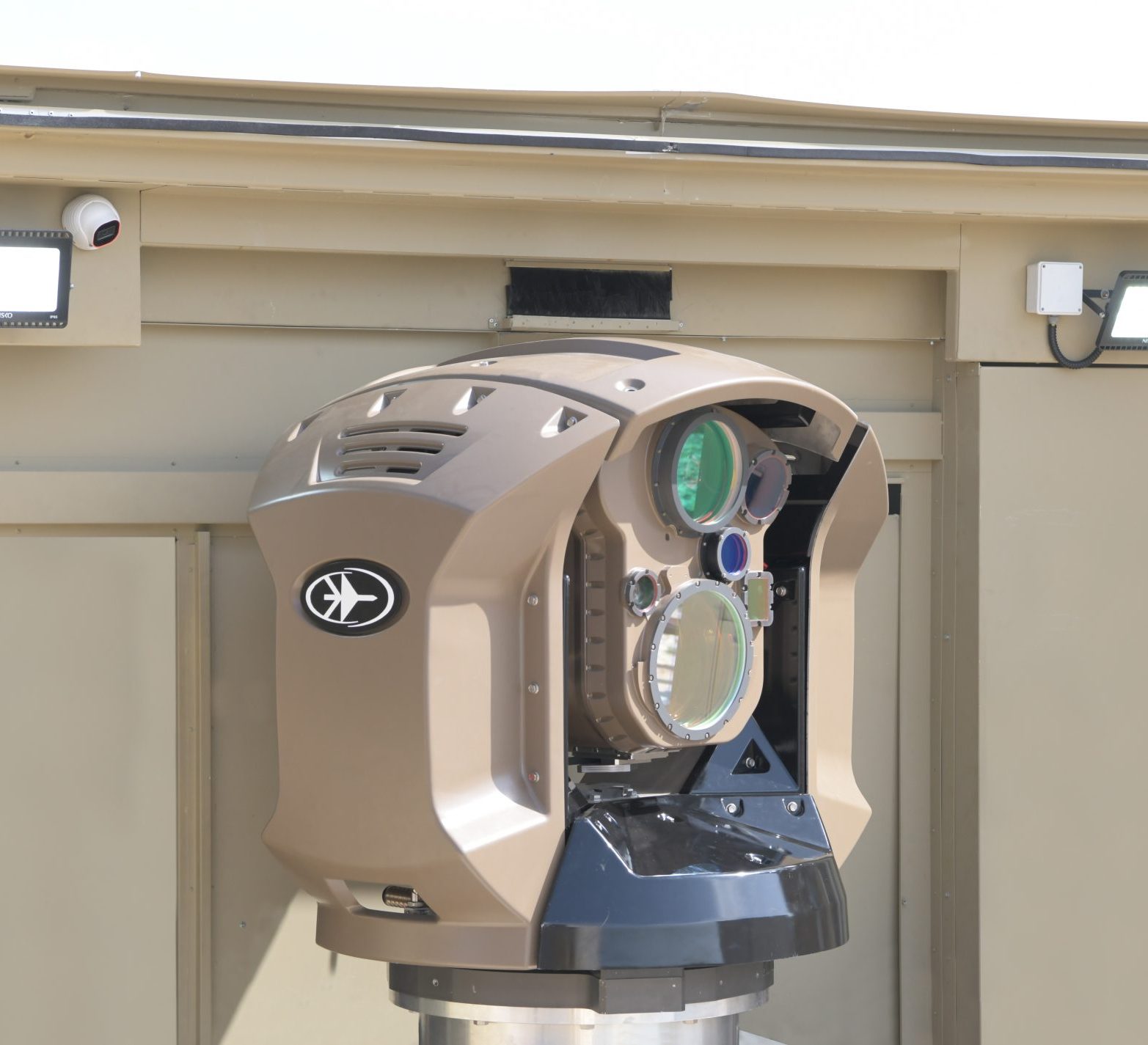
The U.S. Army has received two prototype 20-kilowatt-class high-energy laser systems designed to address that combination of mobility and interception cost. The systems pair AeroVironment’s LOCUST laser weapon with the lightweight General Motors Defense Infantry Squad Vehicle (ISV), creating a mobile directed-energy platform intended primarily for counter-unmanned aircraft operations.
The prototypes were delivered to the Army’s Rapid Capabilities and Critical Technologies Office under the Army Multi-Purpose High Energy Laser (AMP-HEL) program.
Unlike a kinetic interceptor, the weapon defeats a target by directing concentrated laser energy onto a specific point. Its tracking and targeting system must first maintain a precise line of sight to the moving aircraft. The laser then deposits energy on the target long enough to damage critical components and cause the drone to fail.
According to Interesting Engineering, this approach offers a different cost structure from missile-based defenses. A laser does not need to launch a physical interceptor for every engagement; as long as sufficient electrical power and thermal management are available, it can potentially conduct repeated shots. That makes directed energy particularly interesting for defending against large numbers of relatively inexpensive UAVs.
Mobility is another important part of the program. Installing the laser on the ISV, a light tactical vehicle, allows the counter-drone capability to move alongside deployed forces rather than requiring them to operate within range of a permanent laser installation.
Following integration, the two prototypes underwent government acceptance testing at Yuma Proving Ground. Evaluations covered performance, mobility, safety and lethality. Army personnel subsequently completed equipment training at Fort Sill, with soldier feedback being used to inform further changes to the system.
The program is already preparing another configuration. A second increment is expected to include two Joint Light Tactical Vehicles (JLTVs) equipped with 20kW-class lasers as well as radar and command-and-control systems.
Adding radar would provide another element of the engagement chain by helping detect and track incoming aerial targets before the laser is directed toward them.
High-energy lasers are not a universal answer to drone attacks. Their effectiveness can be influenced by range, atmospheric conditions, visibility and the time the beam can remain concentrated on a target. They also require significant electrical and cooling capacity.
Still, the program demonstrates how directed-energy weapons are moving toward smaller, more mobile platforms. For counter-drone defense, the goal is increasingly not just to shoot down an incoming UAV, but to do so repeatedly, affordably and from a system capable of keeping pace with the troops it protects.