This post is also available in:
 עברית (Hebrew)
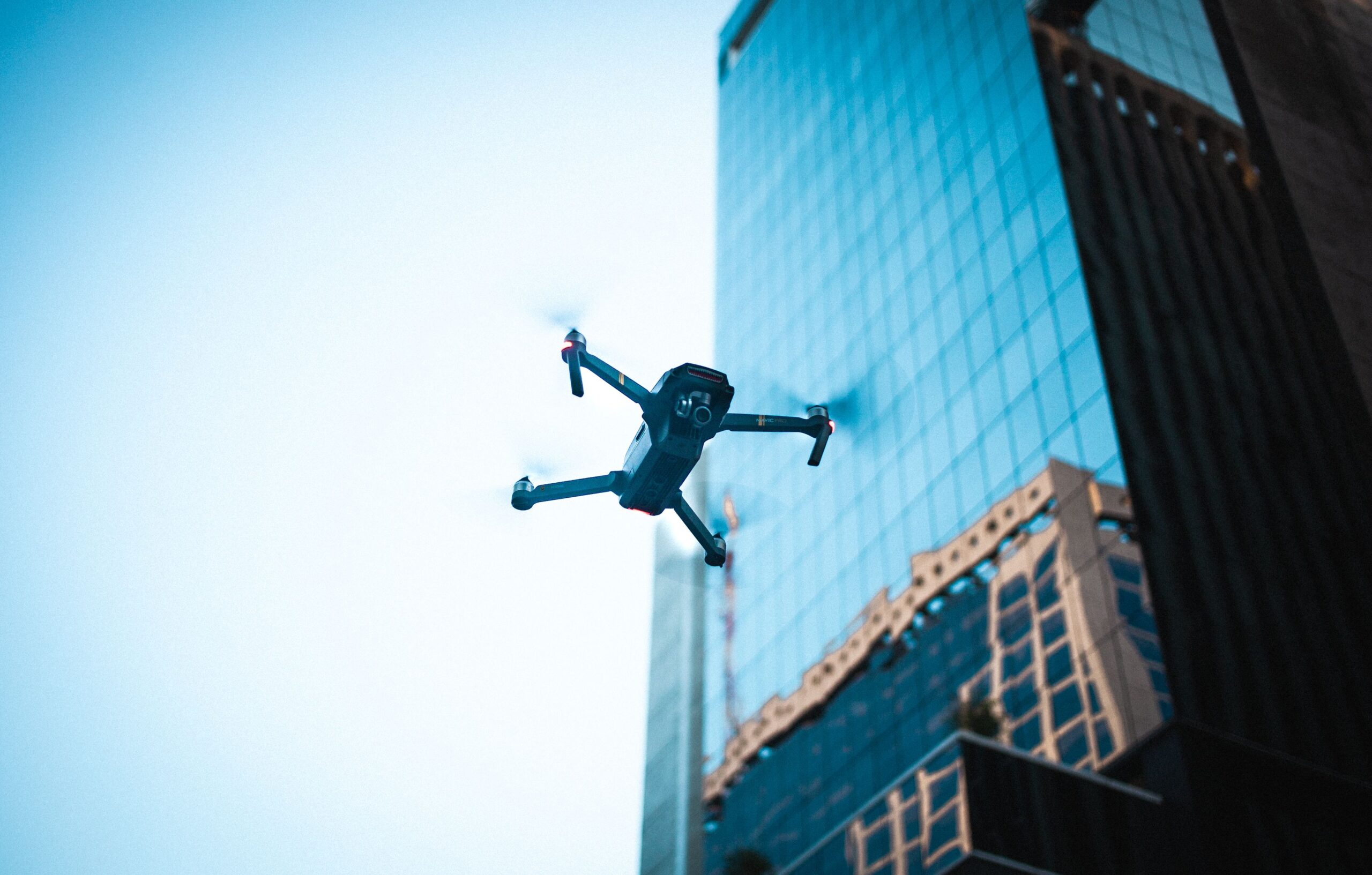
Detecting unauthorized drones around airports, power plants, stadiums and other sensitive locations usually requires dedicated radars, radio-frequency sensors or cameras. Deploying enough of those systems to monitor large urban areas can be expensive and complicated, particularly as inexpensive commercial drones make low-altitude airspace increasingly crowded.
A new system takes a different approach: using 5G infrastructure that is already deployed as part of the detection network. During a demonstration near Miami in July, Lockheed Martin and several technology partners showed how existing cellular signals could be analyzed to detect and continuously track a drone without modifying the installed 5G radio infrastructure.
The system, called NetSense Airspace Awareness-as-a-Service, works by monitoring disturbances in radio-frequency signals around the cellular network. When a drone moves through the environment, its presence affects those signals. AI-powered software analyzes the resulting RF information in real time, looking for patterns that indicate an unmanned aircraft and allowing operators to maintain a track as it moves.
Several technologies were combined for the demonstration. Verizon provided access to 5G spectrum, while ODC supplied AI-native radio access network software. NVIDIA AI Aerial processed radio-frequency information close to the network edge, reducing the time required to analyze disturbances and generate alerts. Keysight Technologies contributed RF simulation capabilities, with Lockheed Martin processing the resulting information for drone detection and tracking.
During the test, the system successfully detected the aircraft, alerted operators and maintained what developers call track custody throughout its flight, continuously following the same target rather than repeatedly losing and reacquiring it.
According to Interesting Engineering, a major advantage is that the concept does not require cellular operators to replace or physically modify existing radio deployments. That could make it easier to extend drone awareness across areas already covered by 5G rather than installing an entirely separate sensor network. The system also uses an open architecture, allowing additional sensors and counter-drone effectors to be connected as required.
For homeland security and defense, this approach could provide another layer of protection around military installations, government facilities and critical infrastructure. It is intended primarily as an awareness and tracking capability rather than a standalone drone defeat system, meaning it could cue other sensors or countermeasures once a suspicious aircraft is detected.
The system is expected to enter pilot deployments in late 2026 and early 2027, with broader commercial availability planned for 2027 through a subscription model.
The broader concept could extend beyond 5G. As future wireless networks increasingly combine communications with sensing, infrastructure originally installed to connect phones and machines could gain a second function: continuously monitoring the physical environment around it. For counter-drone operations, that could turn an existing communications network into a widely distributed layer of airspace awareness.